Last updated November 21, 2026
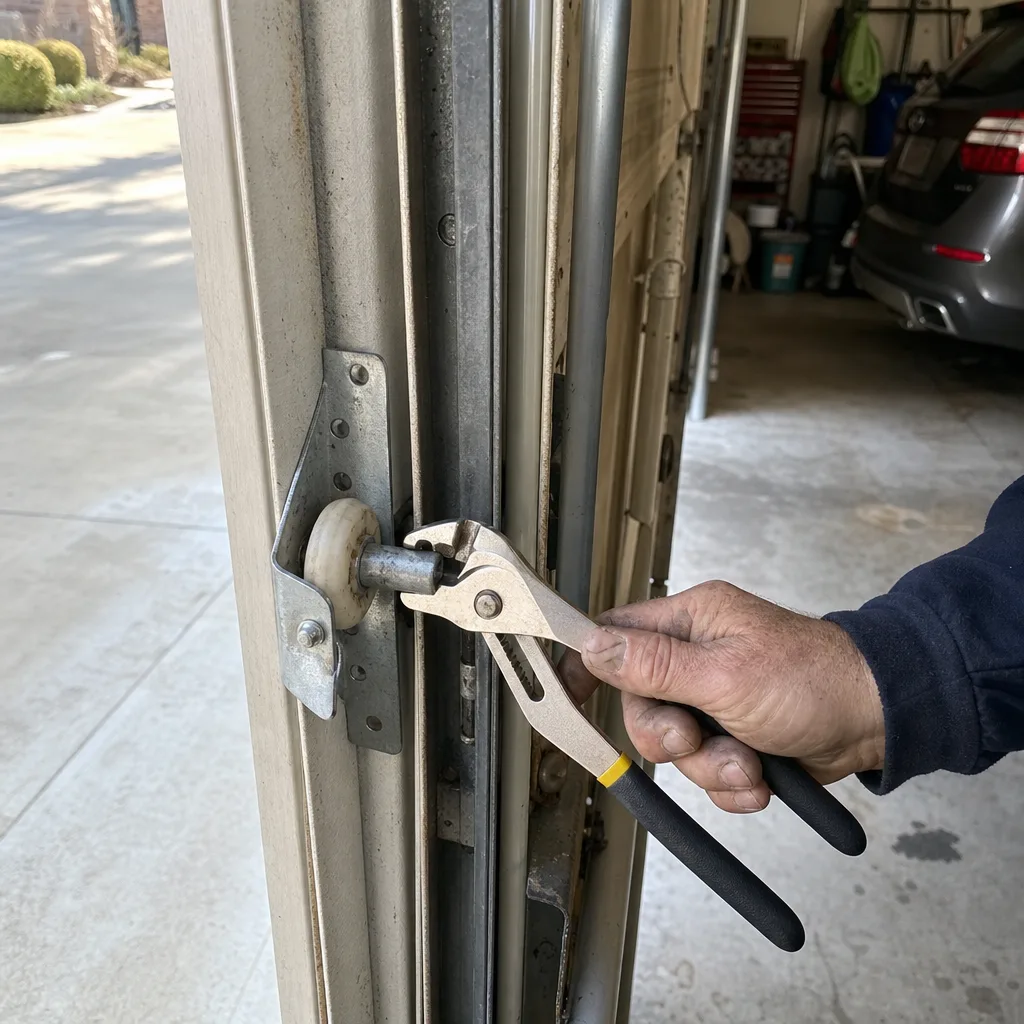
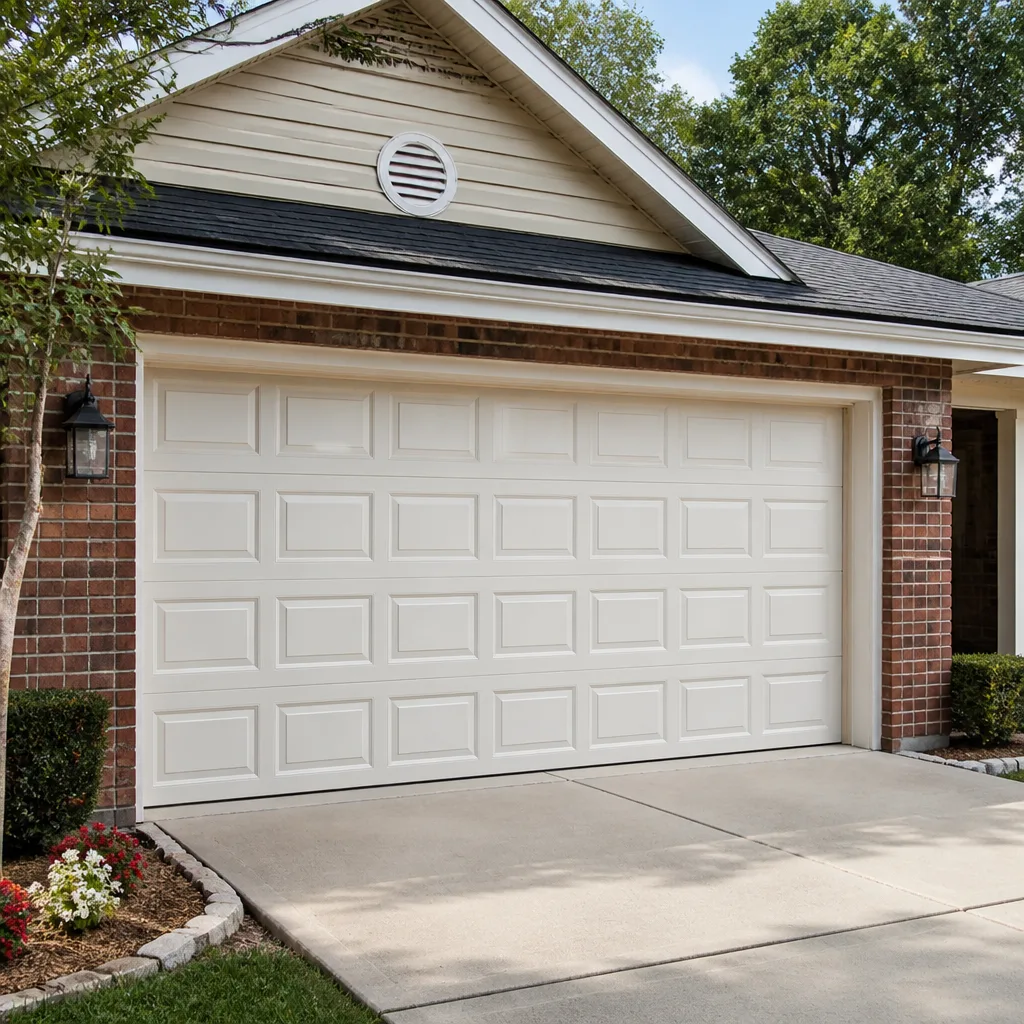 Raised-panel steel
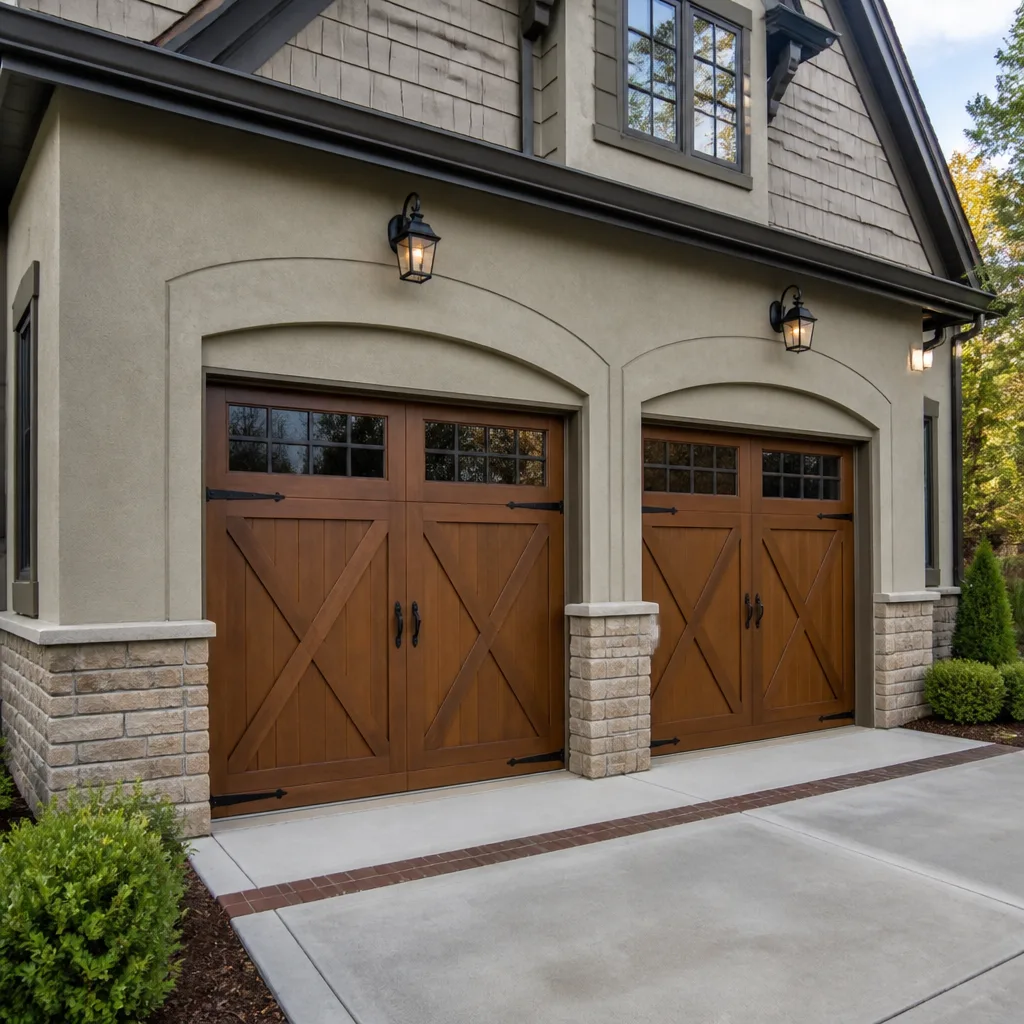 Carriage house
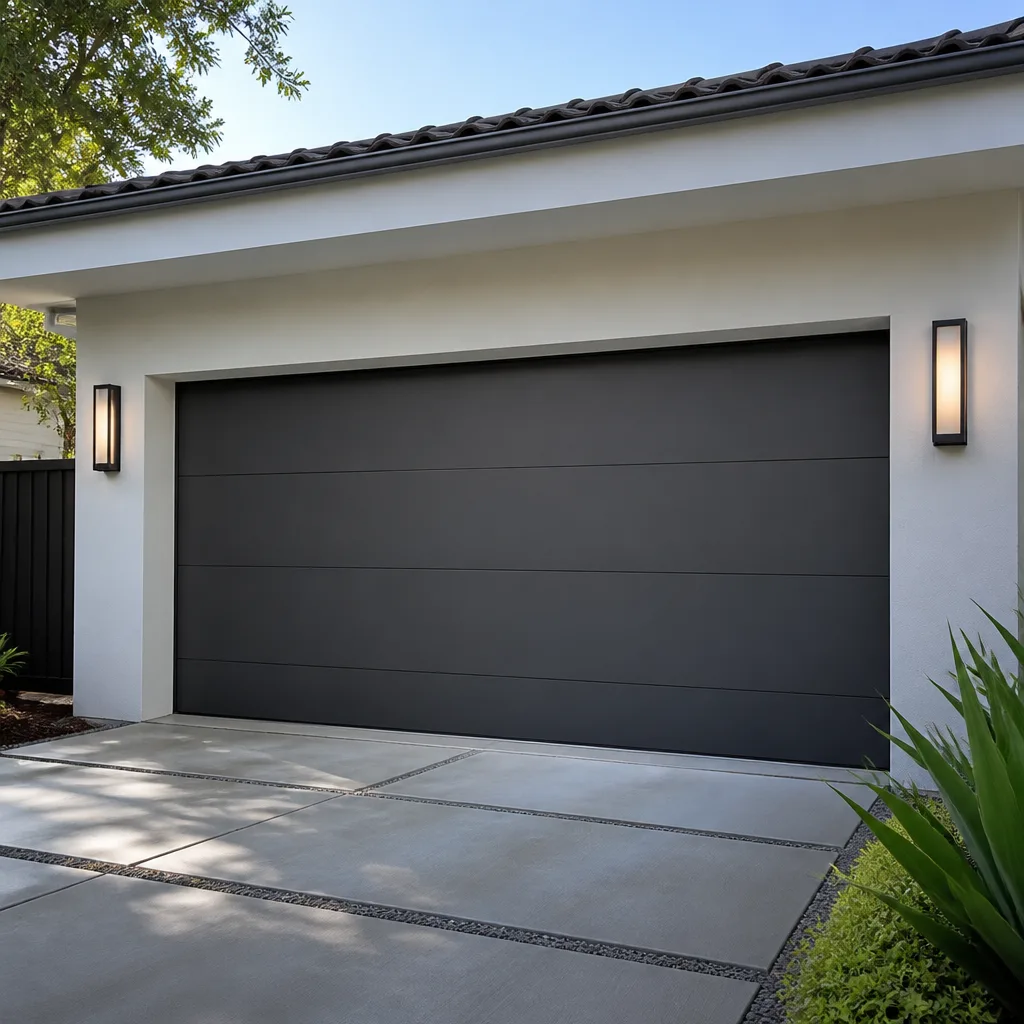 Modern flush
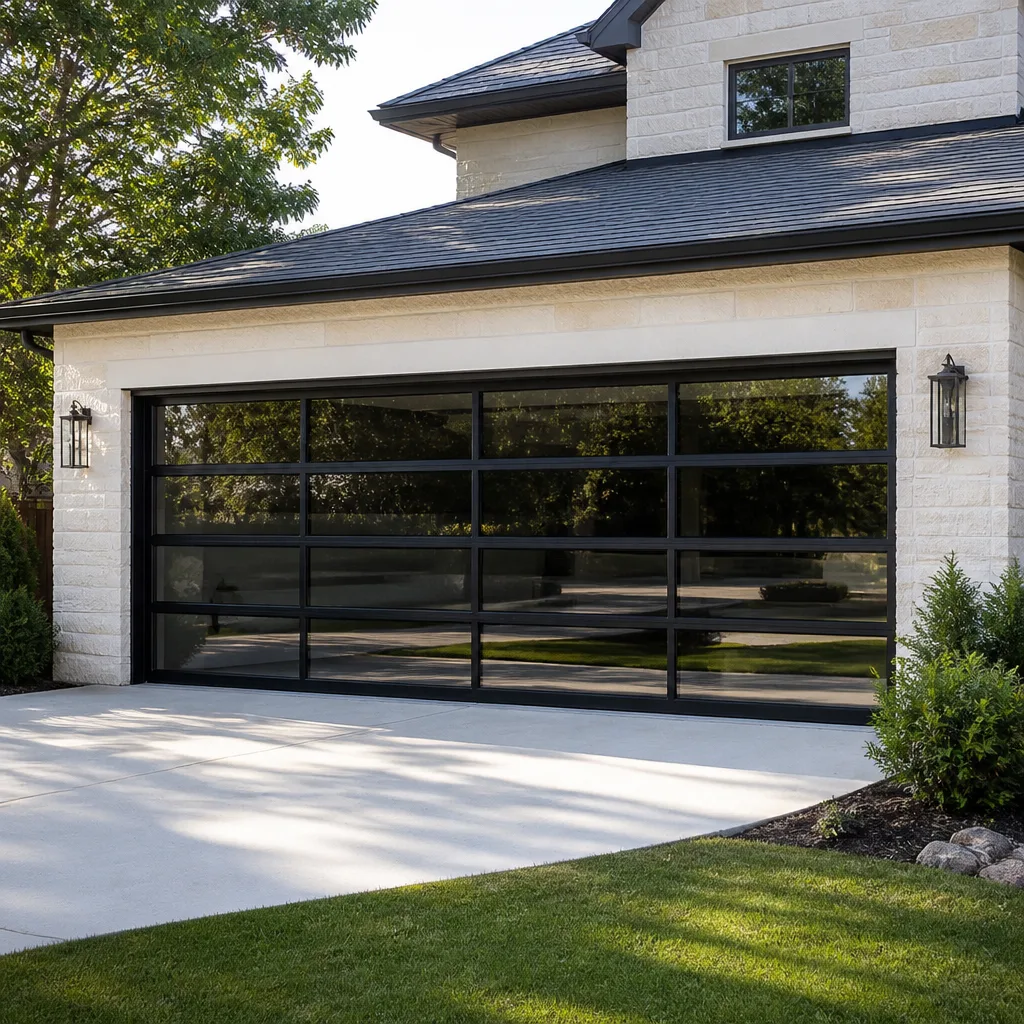 Full-view glass
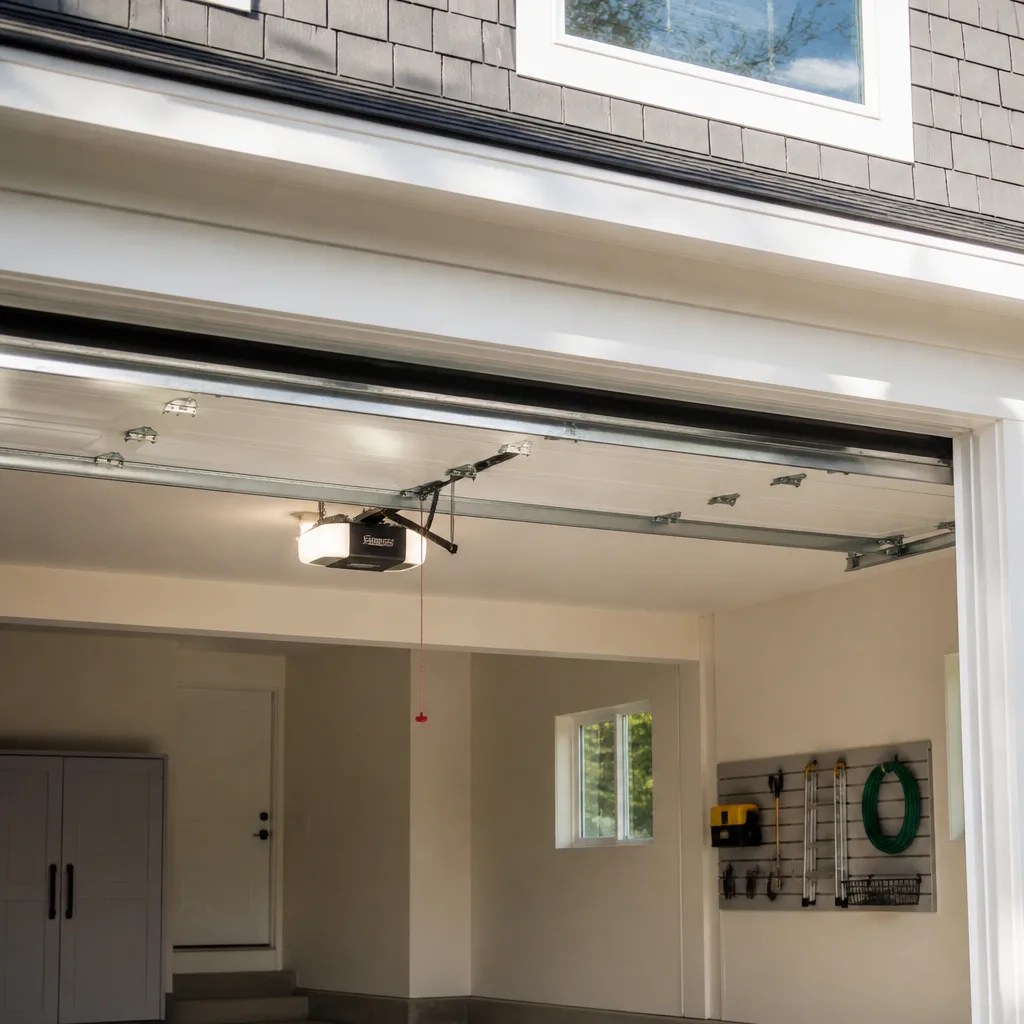 LiftMaster openers
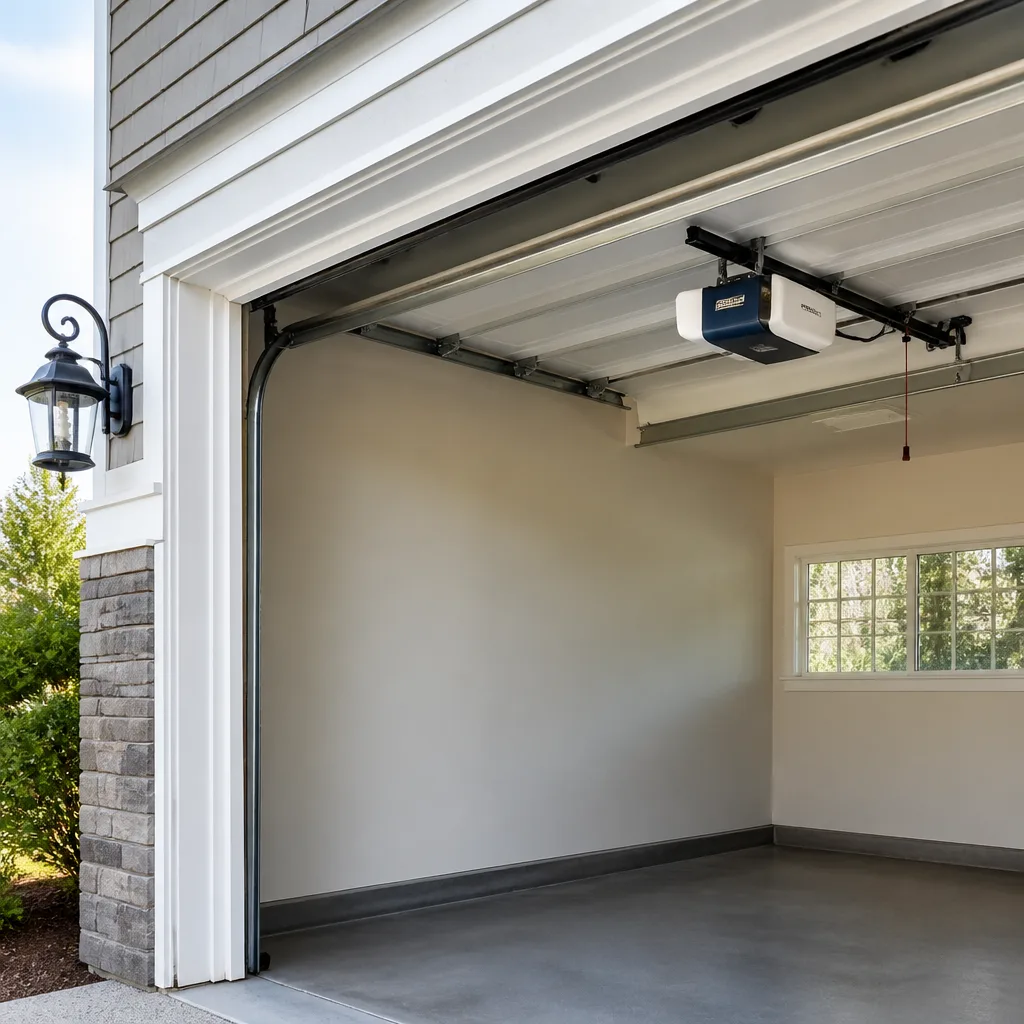 Chamberlain openers
Full 25-point door and opener safety check with every visit - springs, cables, rollers, tracks, and your LiftMaster or Chamberlain opener included
You get a price before we start. It does not change when the pro arrives.
Get your free estimateSeasonal Garage Door Care for Brookline: Year-Round Homeowner’s Guide
The garage door spring that snaps in January in Brookline usually started failing back in October. Not because October is hard on springs, but because a summer of heat cycling had already weakened the metal, and nobody looked. That’s the pattern we see most often: seasonal garage door problems in Brookline aren’t four separate events. They’re a chain. What happens in July sets up what breaks in February, and what you skip in fall shows up as a service call in spring. This guide walks through that chain season by season, so you can spot the weak link before it costs you a morning stuck outside your own house.
Quick Answer
Seasonal garage door care in Brookline means treating the door as one system under year-round stress: summer humidity degrades cables, wood and weatherseal, fall freezes lock in that damage, winter cold slows the opener and stiffens lubricant, and spring thaw exposes what winter hid. The highest-value routine is a fall inspection of springs, cables and weatherstripping before the first hard freeze, plus a light lubrication and balance check each season. Most seasonal issues self-correct with adjustment; a problem that gets worse month over month usually points to a failing part.
Styles & brands we work with
- Raised-panel steel
- Carriage house
- Modern flush
- Full-view glass
- LiftMaster openers
- Chamberlain openers
Table of Contents
- Why Seasonal Care in Brookline Is a Chain, Not a Checklist
- Summer: How Western PA Humidity Pre-Stresses Your Garage Door
- Fall: The Pre-Freeze Tasks Worth Your Time (and the Ones That Aren’t)
- Winter: Operationally Adjusting to Cold
- Spring: What to Inspect After a Brookline Winter
- Seasonal Symptom or Worsening Failure? How to Tell
- Brand Notes: What We See Across Clopay, Amarr, Chamberlain and Genie Systems
- A Simple Four-Season Maintenance Calendar
Why Seasonal Care in Brookline Is a Chain, Not a Checklist
Most seasonal maintenance advice treats the year as four independent boxes. Check the door in spring, check it again in fall, done. That misses the thing that actually matters: stress accumulates. In Brookline, the climate moves through real seasons – humid summers, hard freezes, freeze-thaw cycles in late winter and early spring – and each one leaves the door slightly different than it found it. The door that enters October is not the same door that entered June.
Think about what a single year does to one component. Summer humidity works on steel cables, dulling the protective coating and letting surface corrosion start. Fall brings the first cold nights, and any moisture trapped in a weatherseal or a wood panel has nowhere to go. Winter freezes that moisture, the seal stiffens and cracks, and the door starts dragging against a gasket that no longer glides. By spring the opener has been fighting extra resistance for months, and its force settings have crept upward to compensate. Nothing “broke” in any single season. The chain did it.
Here’s the practical upshot. When you inspect in Brookline, you’re not just asking “is this part okay right now?” You’re asking “what did the last season do to this part, and what will the next one do to it?” That reframing changes which tasks matter. A cable that looks fine in July may already have the beginnings of corrosion that a fall inspection catches and a spring inspection discovers too late. Same cable, different answer depending on when you look.
This is also why we push a lightweight, frequent routine over one big annual service. A door that gets ten minutes of attention each season rarely surprises anyone. A door that gets one inspection a year tends to fail in the season nobody checked. If you take one idea from this guide, take that one: frequency beats intensity.
Summer: How Western PA Humidity Pre-Stresses Your Garage Door
Summer in Brookline is the quiet season for garage door calls, which is exactly why it matters. The damage happens slowly, without any noise or visible failure, and it sets up everything that comes after. Western Pennsylvania summers run humid, and a garage interior holds that moisture longer than the outdoor air does. Three components feel it most: cables, wood doors and weatherseals.
Cables. Garage door cables are steel, and steel in a humid, poorly ventilated space develops surface corrosion. It starts as a dull film and slowly eats into the strands. You won’t hear it in July. You’ll hear the failure in January, when cold makes already-weakened cable brittle and the door’s own weight finds the weak point. A visual check in summer – looking for discoloration, fraying or a fuzzy texture on the cable – catches the early stage.
Wood doors. If you have a wood or wood-composite door, summer humidity makes panels swell. Swollen panels can bind in the tracks, and the extra resistance translates directly into more strain on the opener and springs. In a Clopay or Amarr wood-look door, you may notice the door sitting slightly uneven or rubbing on one side during humid stretches. That’s swelling, and it usually eases when the air dries, but the wear it caused on the opener doesn’t reverse.
Weatherseals. The rubber or vinyl seal along the bottom and sides of the door is the part that keeps weather out, and heat plus humidity ages it faster than cold does. It softens, compresses under the door’s weight, and loses its spring. By the time you notice daylight under the door, it has been compressed for months. A seal that’s flat rather than rounded is a candidate for replacement before fall.
What summer tasks actually pay off in Brookline:
- Wipe down and inspect cables for corrosion or fraying.
- Check weatherseals for compression and flexibility.
- Watch wood doors for swelling and rubbing in humid weather.
- Clear debris and moisture from the garage so air can move.
- Listen for any new sound – a small summer noise is a cheap fix; a winter one is not.
You don’t need to do anything dramatic. You need to notice. The goal of summer care is to enter fall with components that haven’t quietly degraded, because fall is when you have the best chance to fix them before the cold locks them in.
Fall: The Pre-Freeze Tasks Worth Your Time (and the Ones That Aren’t)
Fall is the highest-return season for garage door care in Brookline, full stop. You have a window between the end of humid summer and the first hard freeze when the door is still easy to adjust, parts are easy to inspect, and any repair can be done before cold makes everything stiffer. What you fix now is what won’t strand you in January.
Fall tasks that actually matter
- Inspect the springs. Look for gaps in the coils, a stretched section, or a spring that looks different from the one beside it. Springs are under extreme tension and are the single most dangerous part of the door to touch – this is a look-only check. If something looks off, stop there.
- Check cables and drums. Confirm cables are seated in the drums and not frayed or corroded. Corrosion you spotted in summer should be addressed now, not left to freeze.
- Test the door balance. Disconnect the opener and lift the door halfway by hand. A balanced door stays put. If it drifts down or fights you, the springs or the balance need attention before winter.
- Lubricate moving parts. Hinges, rollers, and the torsion bar (not the springs themselves) benefit from a proper garage door lubricant – not WD-40, which attracts dirt. Lubricant applied in fall keeps things moving when cold thickens it.
- Test the safety reverse. Put a small object in the door’s path and confirm it reverses on contact. This is a safety check that costs nothing.
- Check the weatherseal again. If summer compression flattened it, replace it now so it seals against cold air rather than cracking in a freeze.
The filler advice you can skip
Some fall maintenance tips are busywork. Repainting a door in fall is a spring or summer job – paint doesn’t cure well as temperatures drop. Washing the door is cosmetic, not preventative. And a full “deep clean” of the tracks doesn’t do much beyond what a wipe-down already handles. Spend your fall attention on the mechanical parts and the seal, not on appearance. If you’re not sure what’s mechanical and what’s cosmetic, a free estimate is a fast way to get a straight answer – our garage door repair team checks springs, cables and balance as part of the assessment.
One note on how fall actually goes in Brookline: freeze-thaw cycles arrive before true winter. A door that gets stiff in late October is telling you the cold is already working on it. That’s your cue to act, not a reason to wait for the calendar.
Winter: Operationally Adjusting to Cold
Winter changes how a garage door behaves, and some of that is normal. Cold thickens lubricant, shrinks metal slightly, and stiffens seals, so a door that glides in summer will move a little slower and sound a little heavier in January. Your opener is doing more work to move the same door. That’s expected. The question is where normal ends and a service call begins.
How cold affects opener force settings
Modern openers from Chamberlain and Genie use force settings to know how hard to push. When cold makes the door harder to move, the opener automatically pushes harder to complete the cycle. Up to a point, that’s fine and self-correcting. The problem is when the door’s resistance creeps up over the winter and the opener keeps compensating – pushing harder and harder against a door that actually needs lubrication, balance or a spring check.
The threshold between “normal” and “call someone”
Use this rough guide for Brookline winters:
- Normal: The door moves a little slower in cold, sounds slightly louder, and returns to normal as it warms up during the day.
- Worth watching: The door reverses partway down, or the opener strains visibly but completes the cycle. Check lubrication and the balance test first.
- Call a professional: The door stops mid-cycle, the opener strains and then gives up, the door won’t close fully, or the lag has gotten worse over several weeks rather than steady. That pattern says something mechanical is degrading, not just that it’s cold.
A useful winter habit: listen. Cold makes every sound sharper and easier to place. A grinding, a clunk, a rhythmic tick on the way down – those are the sounds that tell you which part is struggling. If you hear something new and it stays for more than a few cycles, treat it as a signal rather than seasonal noise. When a door fails outright in deep cold, our garage door opener repair team can diagnose whether it’s the opener struggling or the door itself binding.
Don’t force a cold door. If it’s fighting you, stop and look at why. Springs are the one part you must never work on yourself – they hold the door’s full weight under tension, and a cold, weakened spring can fail suddenly. Springs are dangerous, so leave it to a pro.
Spring: What to Inspect After a Brookline Winter
Spring thaw in Brookline is a diagnostic season. Every problem winter hid now shows up: cables that corroded under summer humidity and cracked in the cold, a weatherseal that froze and split, a door that’s no longer balanced because one spring lost tension. Inspecting in spring tells you what the winter actually did, and it tells you early, while the fix is still small.
Work through this after the last hard freeze:
- Re-check the balance. Disconnect the opener and lift the door halfway. If it no longer stays put, the springs are the likely cause. This is the single most important post-winter check.
- Inspect cables and drums. Look for fraying, corrosion that worsened over winter, and cables that have come out of their drums. Any of those is a stop-and-call situation.
- Examine the weatherseal. A seal that froze can crack or pull loose. Check the bottom seal and the side seals for splits.
- Test the opener’s safety reverse. Winter can shift alignment and the safety sensors. Confirm the door reverses on contact and that the sensors aren’t blocked by winter debris.
- Look at the tracks. Freeze-thaw can shift the tracks slightly out of alignment. The door should travel smoothly without rubbing.
- Check the door’s travel. The door should reach the floor and stop cleanly. A door that stops short or slams suggests the limit settings need adjustment.
If spring inspection turns up more than one issue, that’s not bad luck – it’s the chain working as described. One component’s failure puts extra strain on the next, and problems cluster. Fixing the root cause (often springs or balance) resolves several symptoms at once. A free estimate gives you the full picture before anything is touched. And if the door needs a new opener or a full replacement, our garage door installation team handles the measure, the order and the install, so you’re not calling a second company to finish what the first one started.
Seasonal Symptom or Worsening Failure? How to Tell
This is the question that decides whether you call or wait, and getting it wrong in either direction costs you. Call too early and you pay for a service visit that wasn’t needed. Wait too long and a small repair becomes a stranded car and a bigger bill. The distinguishing test is simple: does the problem come and go with conditions, or does it get worse month over month regardless of weather?
Signs a problem is seasonal and self-correcting
- The issue appears in cold weather and eases as the door warms up.
- It’s present on the coldest mornings and gone by afternoon.
- It’s been the same, steady level for weeks rather than escalating.
- It responds to lubrication or to a small limit adjustment the first time.
Signs it’s a seasonal symptom of a worsening failure
- The symptom is worse this week than last week, and worse again the week before.
- It no longer goes away when conditions improve.
- It’s joined by a second symptom – a new sound plus hesitation, or a balance issue plus a seal issue.
- Lubrication helped once and stopped helping.
- The door reverses or stops partway down at random, not only in cold.
Two catch-all rules cut through the guessing. First, if the door fails the balance test, it’s mechanical, not seasonal – that’s a part problem, not a cold problem. Second, if a symptom has gotten worse over a full season rather than staying level, treat it as mechanical. The seasonal version of a problem is level or self-correcting. The mechanical version escalates. Our technicians have up to 12 years of experience telling the two apart, and in our experience the “wait and see” decision usually costs more than a quick free estimate to find out.
Brand Notes: What We See Across Clopay, Amarr, Chamberlain and Genie Systems
Different brands age differently through the seasons, and knowing what your system is helps you know where to look. We work on the major systems – LiftMaster, Chamberlain, Genie, Clopay, Amarr, Wayne Dalton, Craftsman and Raynor – and the seasonal patterns below show up consistently.
Clopay and Amarr doors. These wood and composite door systems are more sensitive to humidity than steel doors because the material moves with moisture. Summer swelling and winter contraction are both real, and the stress shows up first at the seams and the bottom edge. If you have a Clopay or Amarr door, pay extra attention to the weatherseal and to whether panels bind in humid or very cold weather. The door itself is built to move; the seal and hardware are what need watching.
Chamberlain and Genie openers. These are among the most common residential openers, and their seasonal behavior is mostly about force settings and lubrication, as covered in the winter section. A Chamberlain or Genie opener that strains in cold is often reporting a door problem, not an opener problem – the opener is just the messenger. That’s why we diagnose the door first. One thing worth knowing: since we work on these brands routinely, we’re not learning on the job with your specific system – we already know how it should sound and behave.
Two brand-agnostic rules apply to all of them. First, the door and the opener are a system; a change in one changes the load on the other. Second, if you’re a DIY-capable homeowner or a property manager, you can source the parts you need without booking a full service call. If you’d rather have it diagnosed and repaired in the same visit, we handle both. Either way, the goal is the same: get it fixed right the first time.
Maintaining a door across seasons is less about brand quirks and more about consistency. If you’re unsure which specific system you have or which parts fit it, ordering just the wrong part is a common seasonal setback. An exploratory call to Brookline Garage Door Repair Pros lets you describe what you’ve got and get pointed in the right direction.
A Simple Four-Season Maintenance Calendar
Here’s the whole year in one place. None of it takes long, and doing it roughly on schedule is what keeps the chain from breaking.
Summer (humid season)
- Inspect cables for surface corrosion or fraying.
- Check weatherseals for compression and softness.
- Watch wood doors for swelling and rubbing.
- Keep the garage dry and ventilated.
Fall (before first freeze)
- Visual check of springs – look, never touch.
- Check cables and drums are seated and sound.
- Run the balance test.
- Lubricate hinges, rollers and the torsion bar.
- Test the safety reverse.
- Replace a compressed weatherseal.
Winter (cold season)
- Expect slightly slower movement – that’s normal.
- Listen for new sounds and track whether they escalate.
- Don’t force a door that’s fighting you.
- Keep the opener from compensating for a growing resistance.
Spring (after last freeze)
- Re-run the balance test.
- Inspect cables and drums again for winter damage.
- Check weatherseal for freeze cracks.
- Test safety sensors and reverse.
- Check track alignment and door travel.
That’s the calendar. If you only do one thing, do the fall inspection – it’s where the highest return sits. If you only do two, add the spring check. Everything else is lighter maintenance that keeps the two big inspections from finding surprises.
Common Mistakes to Avoid
- Skipping summer because nothing’s broken. Summer is when the damage starts quietly. A door that sounds fine in July can be building the problem that fails in January, so do the cable and seal check even when nothing is wrong.
- Spraying WD-40 on springs and tracks. WD-40 is a solvent, not a garage door lubricant. It attracts dirt and leaves the moving parts worse than before. Use a proper garage door lubricant, and never put anything on the springs themselves.
- Touching the springs. This is the mistake that gets people hurt. Springs hold the entire door’s weight under extreme tension. In a Brookline winter, a cold spring can fail without warning. Look, don’t touch.
- Ignoring a slow door in winter as “just the cold.” Some slowdown is normal; a door that gets slower every week is failing. The threshold in the winter section exists so you know which one you’re looking at.
- Waiting for spring to fix a fall problem. A corroded cable spotted in October should be addressed in October. By spring it may have failed, and the repair cost and the risk both go up.
- Repainting in fall. Paint needs curing temperatures. Fall painting in Western PA often doesn’t cure properly, and it does nothing for the mechanical parts that actually need attention.
- Forcing a stuck door. If the door fights the opener or won’t move by hand, stop. Forcing it turns a fixable part into a broken one and puts you near a tensioned spring.
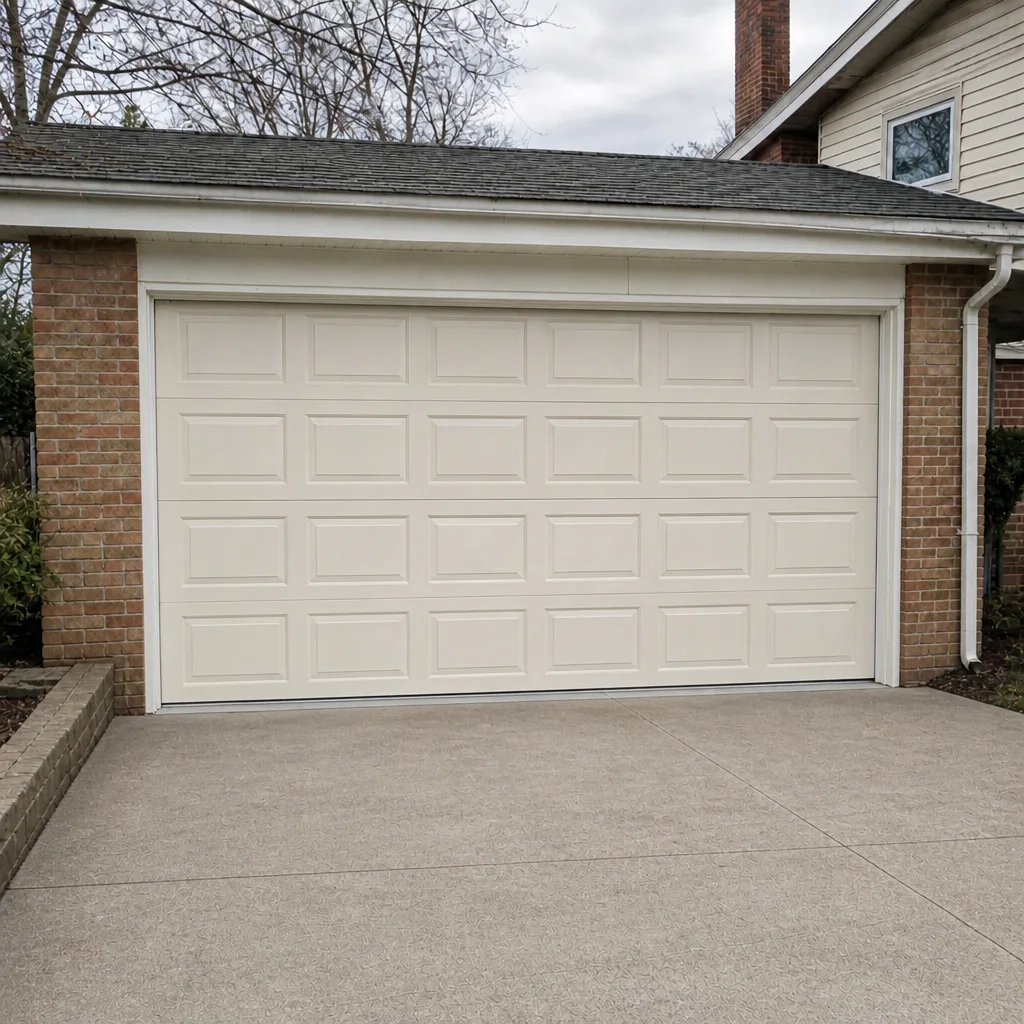
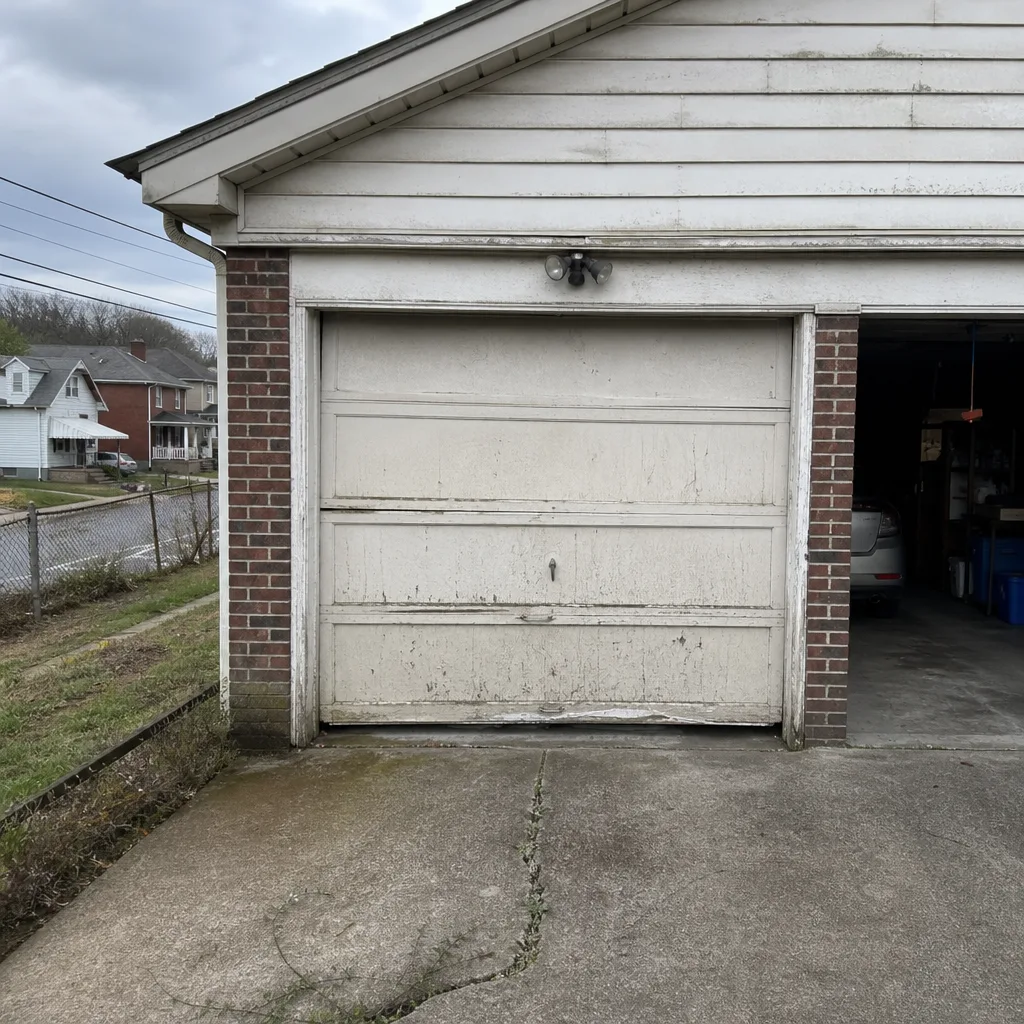
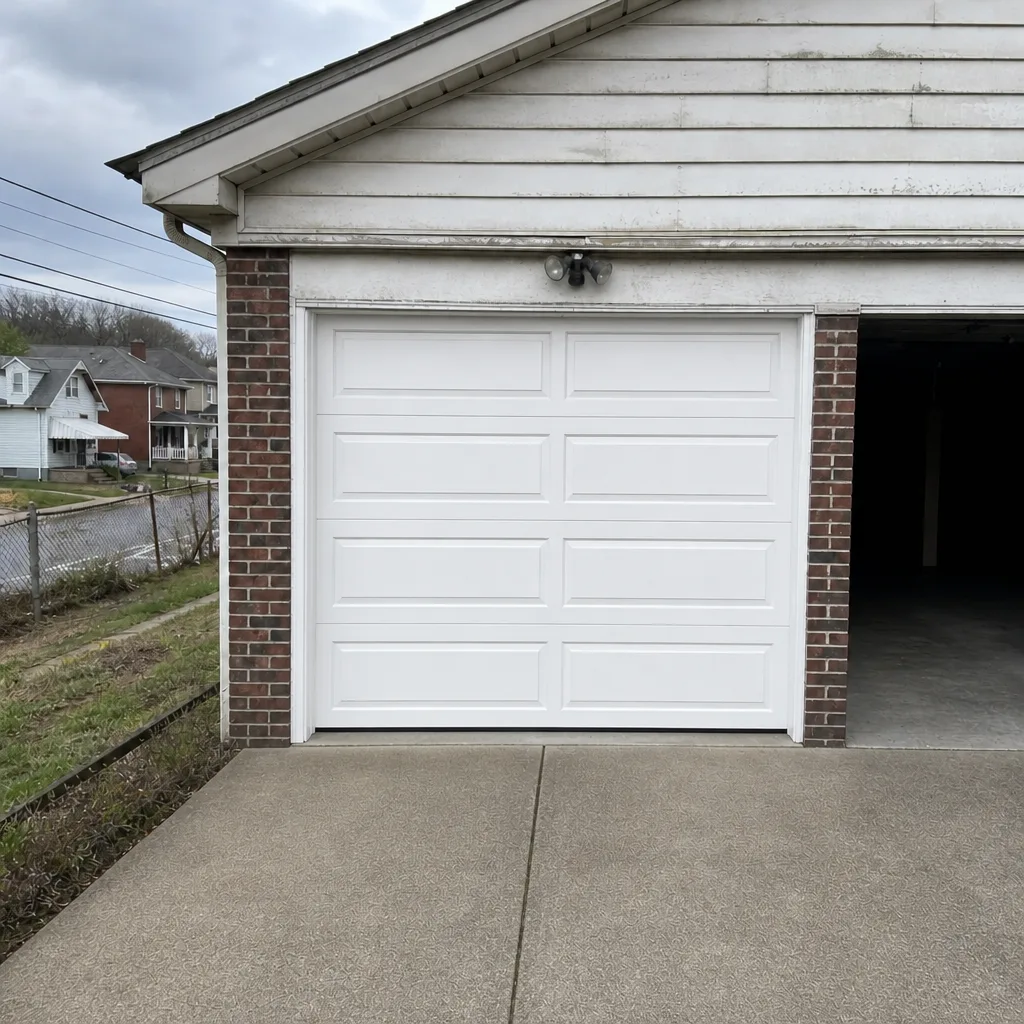
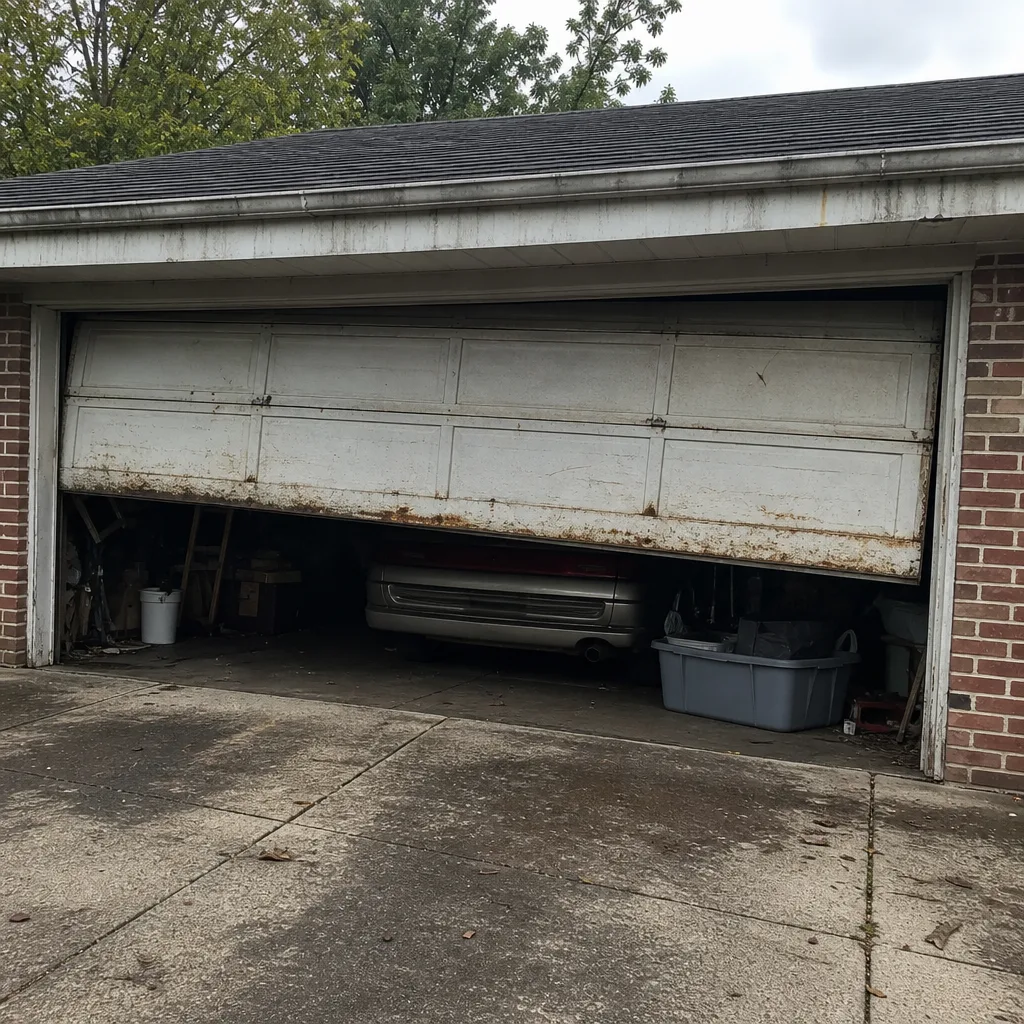
See the difference
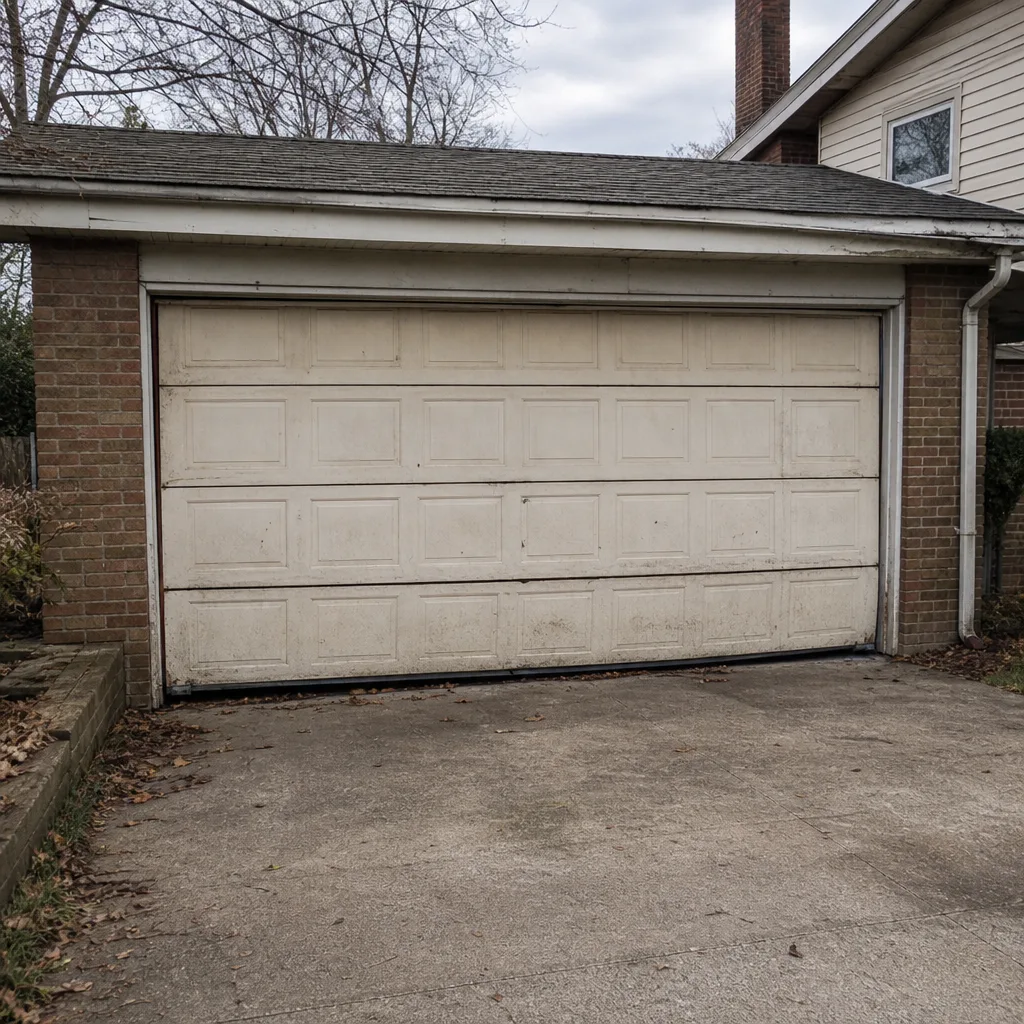 Before
 After
 Before
 After
 Before
 After
When to Call a Professional
Some seasonal care is homeowner work: lubrication, seal checks, the balance test and the safety reverse test. The rest belongs to a trained technician. Call a professional when any of these is true: the door fails the balance test; you see a broken, gapped or stretched spring; a cable is frayed, corroded or out of its drum; the door stops or reverses partway down; the opener strains and gives up; the door travels out of its tracks; or a symptom has been escalating for more than a season. Springs and cables deserve special caution – they’re under dangerous tension and shouldn’t be touched by anyone without the right tools and training. If you’re weighing a repair against a replacement, an assessment settles it. Brookline Garage Door Repair Pros offers free estimates in Brookline – call (888) 478-5598 and we’ll tell you honestly whether you’re looking at a seasonal adjustment or a part that needs replacing. The price is quoted and agreed before any work starts, so there’s no surprise when the invoice arrives.
Frequently Asked Questions
It usually doesn’t – it fails in winter because damage from summer and fall caught up with it. Summer humidity corrodes cables and compresses weatherseals, and fall freezes that damage in place. Cold then makes the weakened parts brittle and stiff, and the door’s own weight finds the failure point. The winter break is the end of a chain, not the start of one.
A light inspection each season, with a proper balance and safety check in fall and spring, keeps most doors healthy. That’s roughly four short checks a year, with the fall and spring ones mattering most. A door that’s older or that gets heavy daily use benefits from a professional check when anything changes, not on a fixed calendar. Call (888) 478-5598 for a free estimate if you’d rather have it looked at.
Some slowdown is normal. Cold thickens lubricant and stiffens seals, so the door takes a little more force to move, and modern openers compensate automatically. It becomes a problem when the slowdown gets worse week over week, the opener strains visibly, or the door stops or reverses partway. A steady, mild slowdown that eases as it warms is normal; an escalating one is a service call.
Yes – lubricating hinges, rollers and the torsion bar is reasonable homeowner maintenance with a proper garage door lubricant. Two rules: don’t use WD-40, and never apply anything to the springs. Springs are under extreme tension and are the most dangerous part of the door. If you’re not sure what to lubricate, a free estimate walks you through it.
Run the balance test. Disconnect the opener, lift the door halfway and let go. A balanced door stays put; if it drifts down or fights you, the spring is the problem, and that’s mechanical, not seasonal. Seasonality affects how the door feels; it doesn’t make a failing spring pass the balance test. Leave the spring itself to a pro – call (888) 478-5598.
The fall inspection before the first hard freeze. That’s the window when you can still inspect and adjust easily, and when anything you fix won’t be stranded in the cold. Cable checks, the balance test, the safety reverse test and a weatherseal replacement all pay off if done in fall. If you do only one thing all year, do that.
Yes, and that’s the whole point of the chain idea. A corroded cable left through winter can fail outright; a weatherseal that freezes and cracks lets moisture in; an opener compensating for growing resistance wears faster. Waiting converts a cheap adjustment into a part replacement. An upfront price from a free estimate tells you what you’re facing.
The Bottom Line
Seasonal garage door care in Brookline works when you treat the door as one system under year-round stress. Summer humidity quietly degrades cables and seals, fall freezes that damage in place, winter cold exposes it, and spring reveals what winter did. The highest-value habit is a fall inspection before the first hard freeze, backed by a simple spring check and light attention the rest of the year. Know the difference between a seasonal symptom that stays level and a failure that escalates. Leave springs and cables to a professional. Do that, and your door stops surprising you. When you need a hand, Brookline Garage Door Repair Pros is here – our technicians have up to 12 years of experience across Clopay, Amarr, Chamberlain, Genie and every other major brand.
Call (888) 478-5598 for a free estimate in Brookline. We’ll tell you what’s seasonal, what needs fixing, and what it will cost – quoted and agreed before any work starts.
Written by the team at Brookline Garage Door Repair Pros.