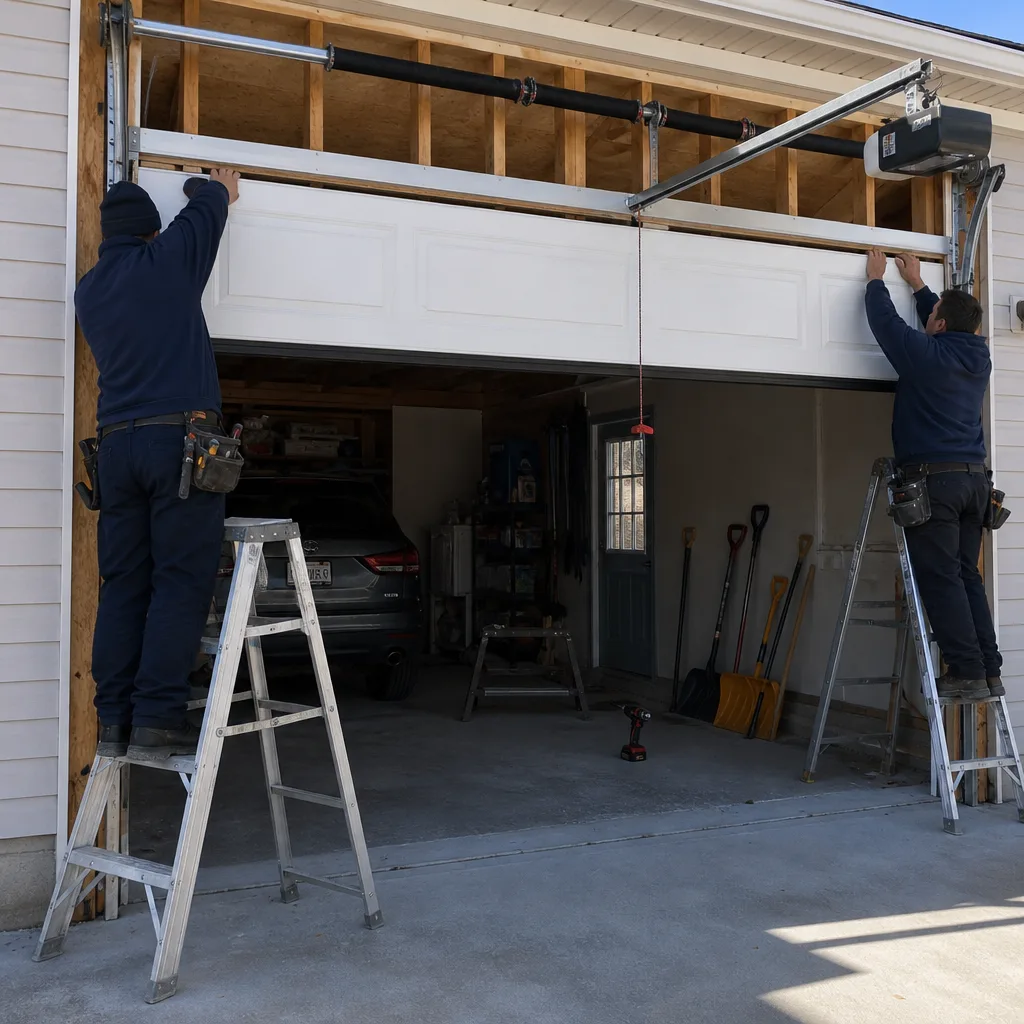
Last updated November 21, 2026
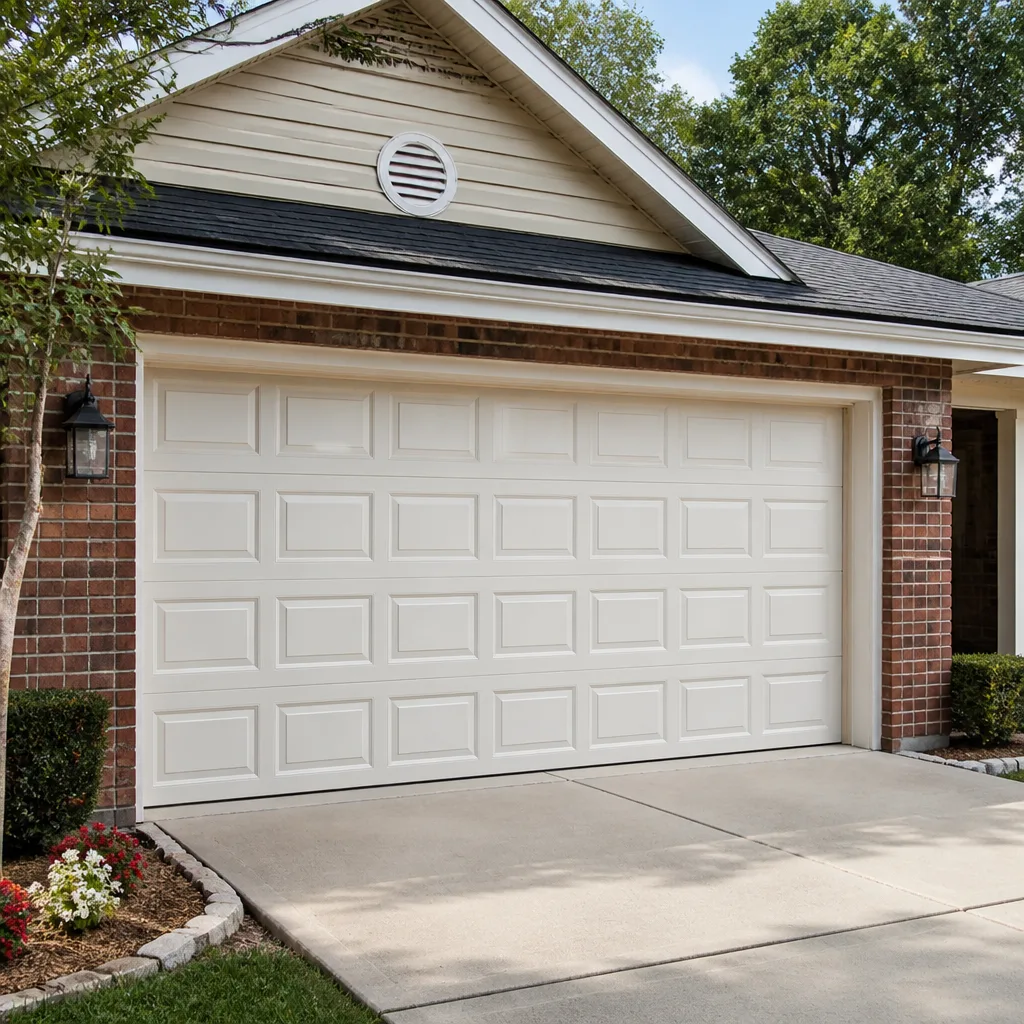 Raised-panel steel
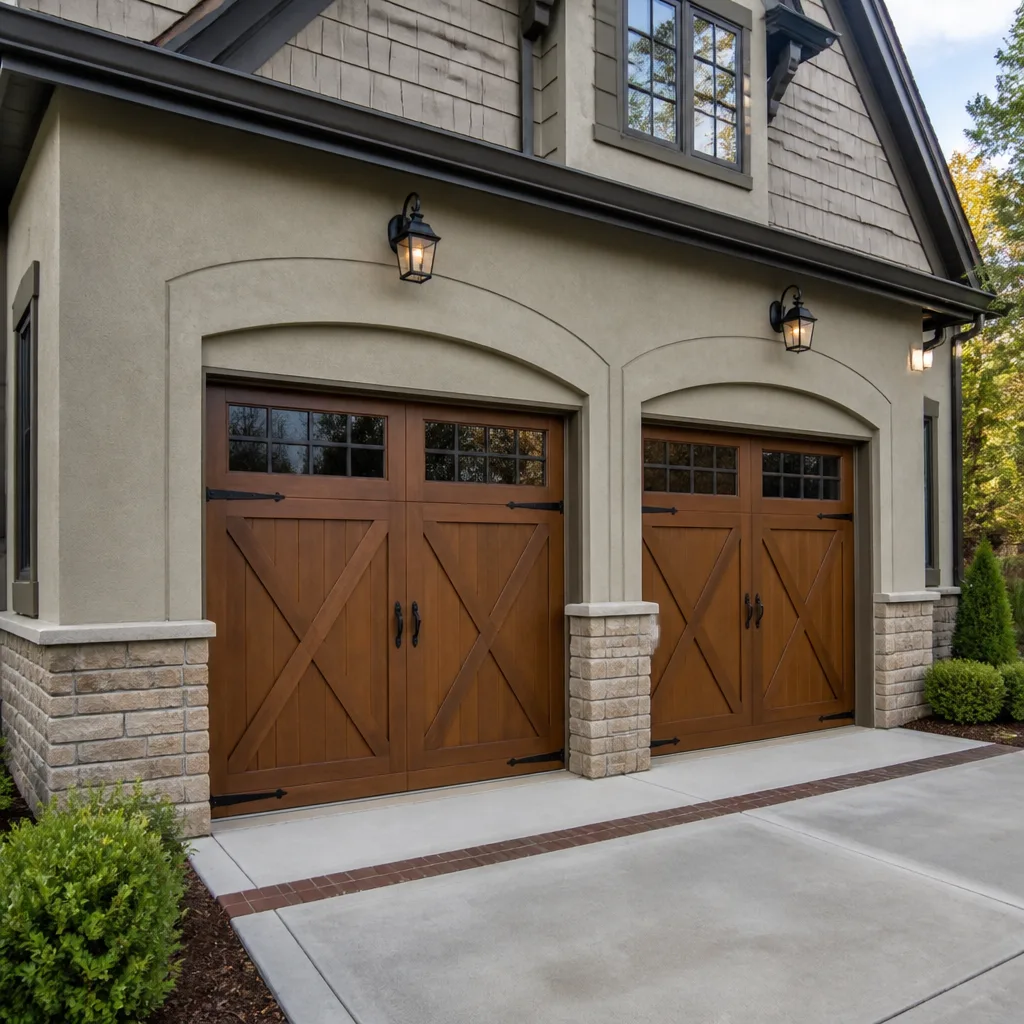 Carriage house
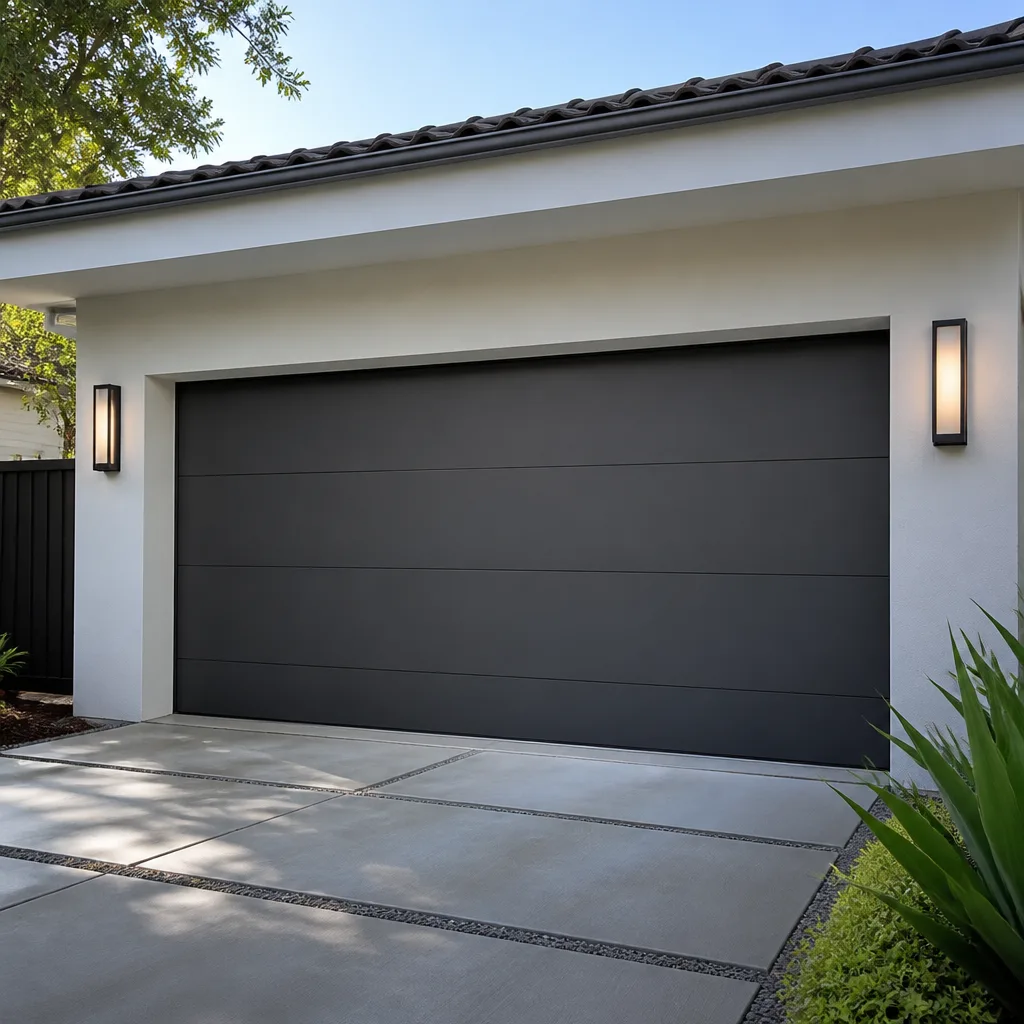 Modern flush
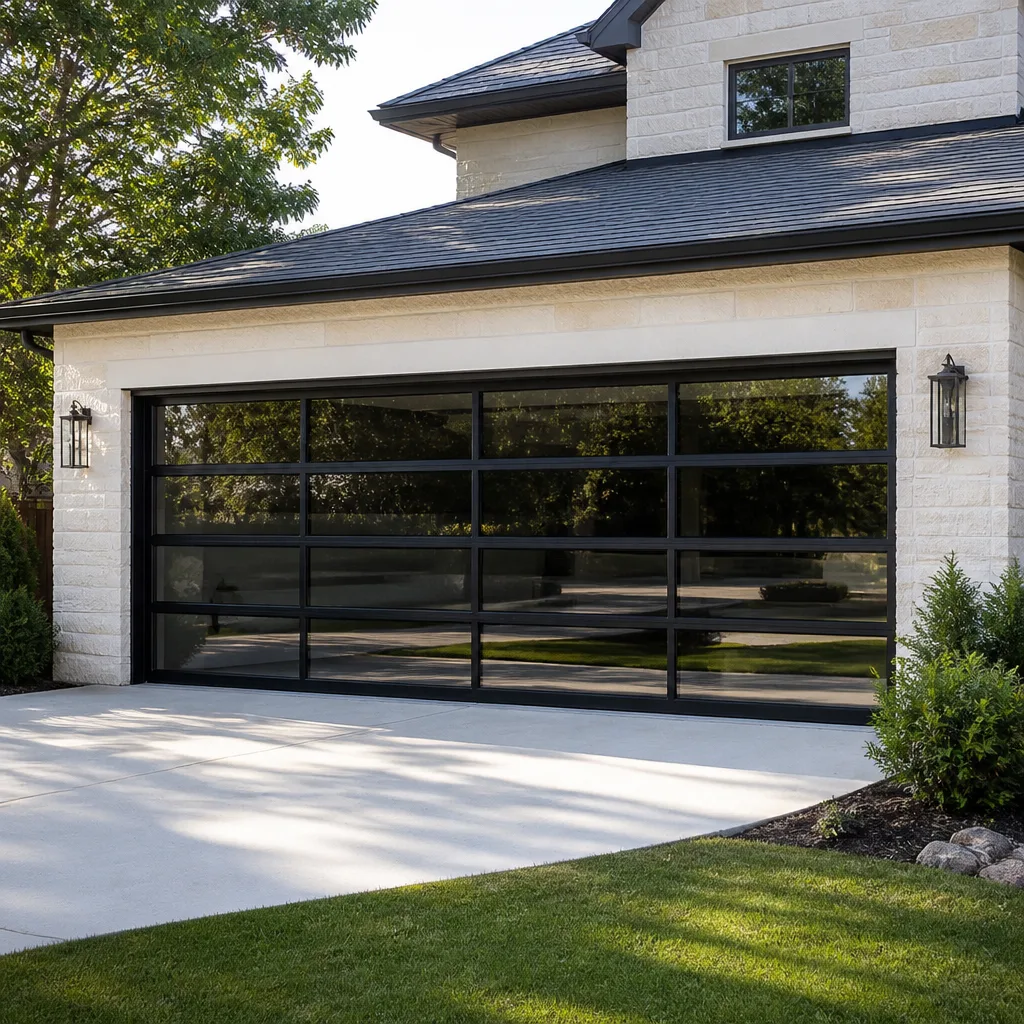 Full-view glass
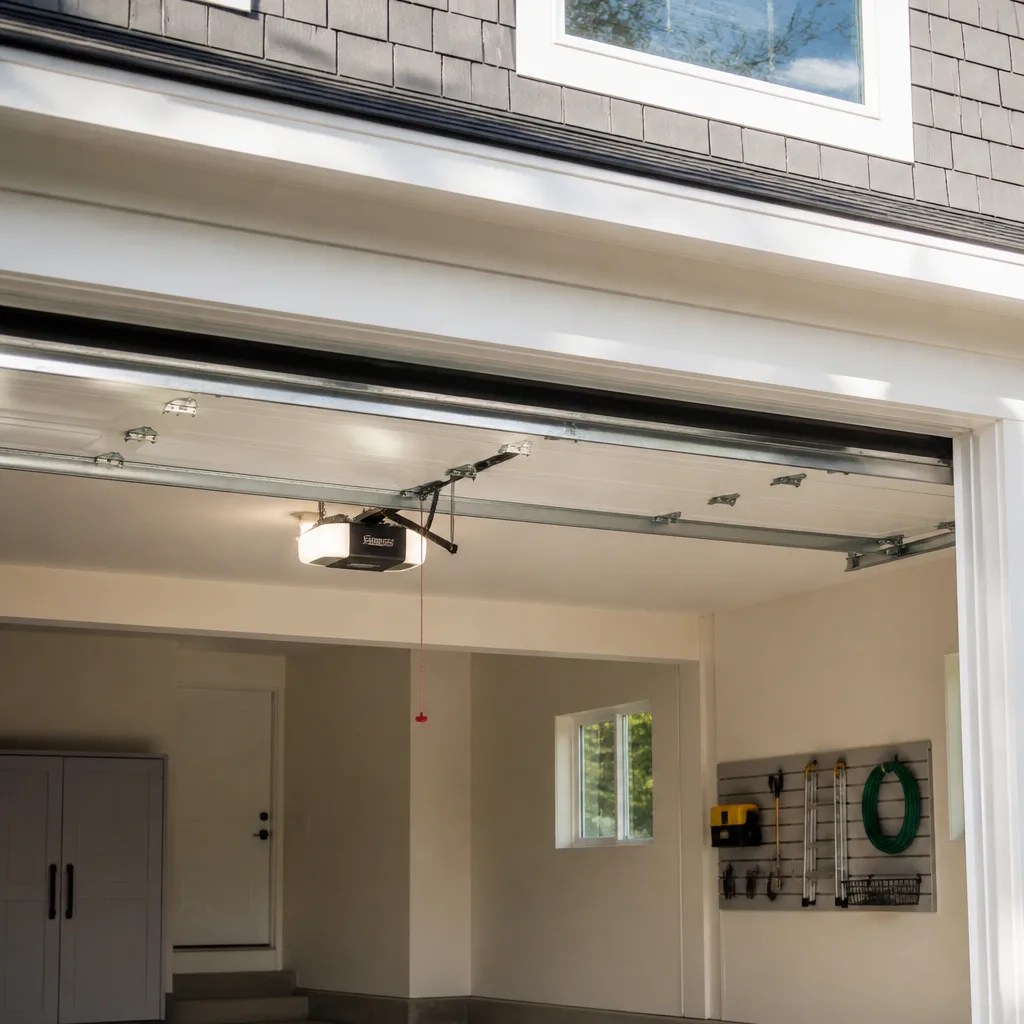 LiftMaster openers
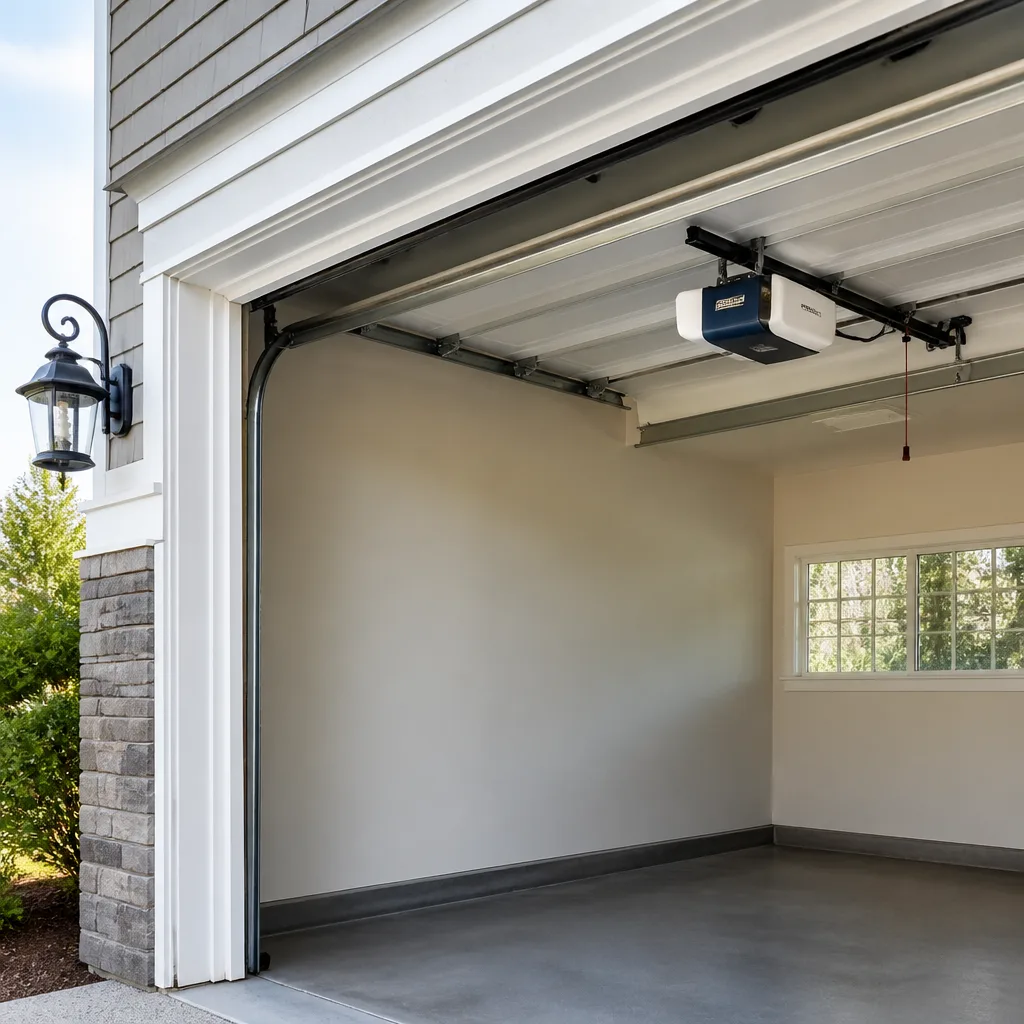 Chamberlain openers
Full 25-point door and opener safety check with every visit - springs, cables, rollers, tracks, and your LiftMaster or Chamberlain opener included
You get a price before we start. It does not change when the pro arrives.
Get your free estimateGarage Door Repair Troubleshooting in Brookline: Common Problems and How to Fix Them
A garage door that “won’t open” is not one problem. It’s a family of failures that can start in the springs, the cables, the tracks, the rollers, the seals, the safety sensors, or the opener’s logic board, and each one demands a different response. Most guides hand you a symptom and a list of guesses. This one works differently. We group every common failure into six mechanical categories, walk you through a decision tree that tells you which category you’re in, and draw a hard line between the two or three things a homeowner can safely check and the work that belongs to a trained technician. By the end you’ll either have your door back on track or know exactly how to describe the problem when you call, which alone can cut a Brookline service call down to a single visit.
Styles & brands we work with
- Raised-panel steel
- Carriage house
- Modern flush
- Full-view glass
- LiftMaster openers
- Chamberlain openers
Quick Answer
Most garage door problems in Brookline trace back to six categories: power and opener logic, safety sensors, springs and cables, tracks and rollers, seals and weatherstripping, or balance and alignment. You can safely check power, remote programming, sensor alignment, and obstructions yourself. Springs, cables, drums, and anything involving the door’s tension belong to a trained technician because they store enough force to cause serious injury. Diagnosing the category first tells you which of the two you’re dealing with before you pick up a tool.
Table of Contents
- The Six-Category Diagnostic Framework
- Category 1: The Door Won’t Move at All
- Category 2: The Door Moves Partially, Then Stops or Reverses
- Category 3: The Door Moves but Sounds Wrong
- Category 4: The Door Opens but Won’t Close
- Category 5: Is It the Door or the Opener? (Two Systems, One Conflation)
- Category 6: How Brookline’s Freeze-Thaw Cycles Break Doors
- What to Tell a Technician When You Call
- Common Mistakes to Avoid
- When to Call a Professional
- Frequently Asked Questions
- The Bottom Line
The Six-Category Diagnostic Framework
Before you check anything, name the symptom. A door that will not move at all is a different problem from one that moves six inches and reverses, and both are different from a door that runs, closes fine, and makes a sound like a train braking. The six categories below cover almost every residential failure we see. Put your door in one box and the diagnostic sequence narrows from a dozen possibilities down to three or four.
- Won’t move at all – no sound, or a hum, or a click. Power, opener, or a jammed mechanism.
- Moves partially – travels partway, stops, reverses, or stalls. Sensors, limit settings, or a binding door.
- Moves but sounds wrong – grinding, squealing, banging, popping. Rollers, tracks, hinges, or a spring nearing failure.
- Opens but won’t close – the classic safety-system failure. Photo-eyes, force settings, or a blocked path.
- Closes but won’t open – lock, spring, or opener logic.
- Runs but the door is unbalanced or misaligned – the panel racks or the door drifts. Balance and hardware problems.
Once you’ve named the category, the next step is not to grab a wrench. It’s to separate the problem into the two systems that share the job: the door itself, and the opener that pushes it. Brookline garages hold a mix of both, from older mechanical openers to newer Wi-Fi units paired with Clopay and Amarr doors, and the two rarely fail the same way.
Category 1: The Door Won’t Move at All
Start here with the simplest checks. A door that “won’t move” is usually not broken, it’s locked out of commission by something small. Work through this in order and stop as soon as you find the fault.
- Power. Check that the opener is receiving power. A tripped breaker or a GFCI outlet on the garage wall is one of the most common culprits.
- The wall control. Does the door respond to the wall button but not the remote? If so, the problem lives in the remote, not the door.
- The manual lock. Many older doors have a slide lock or a lock button on the wall control. If the manual lock is engaged and the opener tries to lift, it will strain, hum, or quit.
- The emergency release. Look at the red pull cord. If it’s been pulled, the opener is disengaged from the door. Pulling it once re-engages the trolley in most units.
- The hum test. If you hear a hum but nothing moves, the opener motor is trying to run but the drive is stuck. Stop pressing the button; you’ll burn the motor out.
If a remote stops working and you’ve changed the battery, it’s usually a lost rolling code, a corrupted memory in the opener, or a neighboring remote on the same frequency. Reprogramming from the opener’s learn button is a DIY-safe fix, and it’s one of the fastest calls we get that ends without a full service visit. When the door still won’t move after power, lock, and release checks, you have a mechanical fault, and the safest next step is a professional look.
Category 2: The Door Moves Partially, Then Stops or Reverses
A door that lifts six inches and reverses, or gets halfway and stalls, is telling you something specific. The three usual suspects are the safety sensors, the travel limits, and a door that’s dragging on its tracks or seals.
Safety sensors first
The two photo-eye sensors sit about six inches off the floor at each side of the door opening. If they’re knocked out of alignment, if one is sun-blinded, or if a cobweb or a leaf is in the beam, the opener will reverse the door instead of letting it close. Look for the small indicator light on each unit. If one is dark or flickering while the other is solid, alignment is your problem. Straighten the bracket, wipe the lens, and clear the path. This is a safe, five-minute fix that solves a large share of “won’t close” calls.
Then travel limits
Every opener has up and down travel limits and a force setting that tells it how hard to push before it stops and reverses. If a door lifts slightly further than normal one day – because a seal has swollen or a roller has seized – the opener can read that extra resistance as an obstruction and reverse. On LiftMaster, Chamberlain, Genie, and Craftsman openers, the limit and force adjustment is a dial or a set of buttons on the back of the head unit. If you’re not sure what you’re looking at, don’t spin the dials randomly: a mis-set force setting is exactly the kind of thing that lets a door crush something it should sense. A quick diagnostic call is cheaper than the damage from a bad adjustment.
Or a binding door
If the door binds halfway even when you pull it manually with the opener disengaged, the problem is the door, not the opener. That points to a scored track, a broken or bent roller, or a spring that’s lost tension. Stop cycling the door and get it looked at.
Category 3: The Door Moves but Sounds Wrong
Noise is the early warning system of a garage door. A door that runs correctly is quiet. A door that squeals, grinds, bangs, or pops is telling you that a worn part is one cycle away from failing completely, and a rolling door in Brookline that gets used a few times a day racks up some serious cycles over a winter.
- Squealing: usually dry rollers, dry hinges, or a dry torsion spring. A light-duty garage-door lubricant on the hinges and rollers quiets most of it. Never grease the tracks: grease attracts grit and makes rollers skid.
- Grinding: a roller with a flattened or seized bearing, dragging along the track. Cheap to fix when you catch it, hard on the door when you don’t.
- Banging or popping from the header: often a torsion spring winding or a loose track bracket. Do not keep cycling a door that pops loudly; a failing spring can release suddenly.
- A single loud bang, then the door drops or won’t lift: a broken spring. Stop operating the door. Call a pro.
- Rattling, high-pitched chatter: loose hardware, a slack chain or belt, or a door panel add-on that’s vibrating. Worth looking at before it becomes a track jam.
Noise diagnosis is one of the places we see homeowners guess wrong most often. A grinding that sounds like it’s coming from the opener can be a seized roller transmitting vibration up the rail. A “squeal” can be a dry torsion spring, not a new motor. If you can pin down where the sound originates – the header, the track, the opener head, or the floor – you’ve given a technician most of the diagnosis over the phone. That’s the difference between a fast fix and a second visit.
Category 4: The Door Opens but Won’t Close
This is the safest failure and the easiest to diagnose, because a door that opens but won’t close is almost always protecting you from something it thinks is in the way. In order:
- Clear anything under the door: the trash can, the snow shovel, a kid’s scooter.
- Re-align the safety sensors and confirm both indicator lights are solid.
- Test the remotes and wall control together. If the wall button closes the door but the remote won’t, the wall button is wired to override the photo-eyes on many older units and that difference tells you the sensors are the problem.
- Check for a jammed latch or a manual door lock that was re-engaged.
- If the door runs down and bounces back up a few inches from the floor, suspect a limit setting or a swollen bottom seal making the door read the floor as an obstruction.
That last one is a special Brookline problem and it’s underreported in every generic guide. When the freeze-thaw cycles of a Pennsylvania winter hit, the rubber bottom seal on your door can freeze to the concrete, harden, or swell, and the opener reads that extra resistance as a person under the door. A door that “randomly” won’t close on cold mornings is often a seal problem, not a sensor problem. A door that opens and closes but reverses within the last few inches is telling you the same thing. If this is the pattern you’re seeing, mention it to whoever you call and say “cold morning” – it points straight to the seal.
Category 5: Is It the Door or the Opener? (Two Systems, One Conflation)
Most troubleshooting advice on the internet treats the garage door as one machine. It isn’t. The door is a mechanical system of springs, cables, drums, tracks, rollers, hinges, and panels. The opener is an electromechanical motor with a logic board, a drive mechanism, and safety circuitry. They share a garage but they fail in completely different ways, and treating them as one is exactly what gets homeowners stuck.
The single cleanest test for telling them apart is simple: pull the emergency release to disconnect the opener, then lift the door by hand.
- If the door lifts easily, stays up where you leave it, and lowers without slamming, then the door is balanced and healthy. The problem is in the opener or its controls. That means opener repair, not door repair, and it usually means a much cheaper call.
- If the door is heavy, drops on its own, or won’t stay up, the door itself has a problem. The springs, cables, or drums are the fault. This is a door repair and a trained technician’s job.
- If the door binds partway through its travel even when you’re guiding it by hand, the tracks or rollers are the fault, not the opener.
That single test tells you which of two completely separate repair conversations you’re about to have. It’s also the first thing a technician wants to know. On the opener side, our garage door opener repair work covers both the legacy mechanical units and the current smart openers, and knowing whether the board or the door is at fault is where every good diagnosis starts. It’s worth being honest with yourself here: if the door is heavy and the opener is straining, replacing the opener won’t fix it. The door is the problem. A modern opener with safety circuitry will simply refuse to run a door that’s out of balance.
Category 6: How Brookline’s Freeze-Thaw Cycles Break Doors
Brookline sits in the middle of a Pennsylvania freeze-thaw rhythm. A January warm snap pushes the temperature above freezing, snowmelt runs under the door, and then the night temp drops and it all freezes again. Repeat that a dozen times over a winter and you have one of the hardest environments a garage door faces, and it produces failures you won’t find in a generic troubleshooting guide written for a mild climate.
Bottom seals and thresholds
The rubber or vinyl bottom seal is the first casualty. Meltwater collects under the door lip, freezes to the concrete, and the next time the door lifts, the seal tears or pulls free. A door with a torn seal lets in cold air, water, and the occasional rodent. A door with a swollen seal reads the floor as an obstruction and won’t close on schedule. If your door fails to close on cold mornings, this is the first thing to check.
Rollers and tracks
Water that freezes in a track throws the alignment off by fractions of an inch, which is enough to make a roller bind. The door will then sound like it’s grinding, drift to one side as it travels, or jam partway. A track that a home handyman “fixed” with a hammer usually gets worse, not better: track realignment is a precision job and a bent track always costs more to fix after a poor attempt.
Hinges and springs
Cold temperatures make every metal component more brittle. A torsion spring that was on its last thousand cycles in October is more likely to break in January, and a hinge that was stiff in fall can seize in a hard frost. A door that’s noisy on the coldest mornings of the year, and quiet by spring, is offering you a load of information about what’s wearing out. Address the noise before the door stops working, and you save yourself a mid-winter call and a longer wait for parts. Our garage door repair work covers the full range of these failures, from a snapped spring to a misaligned roller, and the work is always quoted before it starts.
What to Tell a Technician When You Call
The single most useful thing you can do before a service visit is collect four facts. Give us these and we can nearly always arrive with the right part in hand on the first visit:
- What happens, and in which direction. “Opens but won’t close” is a different call from “closes but won’t open.” Say which direction fails.
- What it sounds like, and where it comes from. Grinding from the track, popping from the header, or nothing at all from the opener head. The origin is half of the diagnosis.
- When it started. Did it fail suddenly, worsen over weeks, or only happen on cold mornings? “Only on cold mornings” points at the seal. “Grew worse over a month” points at a worn roller.
- The brand and any model numbers you can read. Knowing it’s a LiftMaster, Chamberlain, Genie, Craftsman, or a specific Clopay door lets us confirm parts availability before we arrive.
If you can also tell us whether the door was already hard to lift by hand before the failure, or whether the opener was making a new sound in the weeks before, you’ve just filled in a second visit’s worth of information. This is the kind of phone call that ends in a fast, single-visit fix rather than a “we’ll need to come back.” It’s also the difference between a repair and a scoping call. If you’re calling about something bigger, we’d rather have the facts up front so the same visit covers both. When your door is past repair, we handle a full garage door installation, measured and quoted without the guesswork.
Common Mistakes to Avoid
- GreasIng the tracks. It’s the most common DIY suggestion online and it’s wrong. Grease collects grit, the rollers skid instead of roll, and you accelerate wear. Lubricate hinges and rollers; leave the tracks dry.
- Fiddling with a torsion spring. Torsion springs and their windings hold enough force to cause serious injury if released. Adjusting them requires winding bars and training. Never touch them.
- Forcing a door that’s jammed. If the door is bound, the opener is straining, or the spring’s lost tension, do not press the button repeatedly to “see if it’ll go.” You burn out the motor and turn a door repair into a door-and-opener repair.
- Straightening a bent track with a hammer. Track realignment is precision. Hitting it flattens the profile and no longer holds the rollers, and the only fix after that is replacing the track.
- Ignoring the “cold morning” pattern. A door that only fails on frosty mornings is flashing a warning about the seal, the track alignment, or the force setting. Anyone who waits until it fails year-round ends up in the middle of a Brookline winter with a door that won’t close.
- Assuming a new opener fixes a heavy door. It won’t. A modern opener with force-sensing circuitry will refuse to run an out-of-balance door, so you’ll end up paying for both. Fix the door first.
- Reprogramming a remote without noting the rolling code. Clear, reprogram, test the wall control, then test the remote. Skipping the wall control test is why so many people end up thinking the opener is dead when it isn’t.
When to Call a Professional
Call a professional for any of these: a door that will not stay up when you lift it by hand, a loud bang followed by a dead door, a door that binds in the tracks even when you’re guiding it, a bent track, a snapped cable, or an opener that hums and won’t move. Those are the situations where the force stored in the door is the hazard, and a trained technician with the right tools is the right call. Our technicians have up to 12 years of experience, and we work on the full range of brands, from LiftMaster and Chamberlain openers to Clopay and Amarr doors. If your problem is a hardware swap or parts sourcing on an older system, we also supply garage door parts directly so you’re not hunting online for a discontinued roller or bracket. Brookline Garage Door Repair Pros offers free estimates in Brookline and same-day service for repairs – call (888) 478-5598 for an exact quote. The price is quoted and agreed before any work starts, so you’ll always know what you’re paying before we touch the door.
Frequently Asked Questions
Most common repairs in Brookline fall into a typical range that depends on the part and the labor involved, and the written estimate sets the final price. A loose roller, a sensor re-alignment, or a remote reprogramming is a small job; a broken torsion spring, cable, or opener board is a larger one. Ask for the estimate in writing and confirm whether the trip charge is included. Call (888) 478-5598 for an exact quote – estimates are free.
For repairs, same-day service is often available, and we can respond quickly for doors that are stuck open or locked in place. For a new door or a full replacement, that’s a measured, ordered, scheduled job rather than a same-day fix, and we quote it in writing after a measure. Call (888) 478-5598 and tell us which direction the door fails and what it sounds like; the more you can tell us up front, the faster we can help.
No. The price is quoted and agreed before any work starts, and the written estimate is the number you’ll be charged for the work we agree to. If we open something up and find a bigger problem, we’ll stop and explain it before doing anything. That’s the whole point of a written quote: it’s not a verbal guess that grows after the fact.
Yes. The local professional we connect you with is licensed and insured as their state requires, and our technicians have up to 12 years of experience working on spring repair, opener diagnostics, and installation. We work with LiftMaster, Chamberlain, Genie, Clopay, Amarr, Wayne Dalton, Craftsman, and Raynor systems, so your specific brand gets someone who already knows it rather than someone learning on the job.
A cold-morning failure almost always points to the bottom seal, track alignment, or a force setting, because freeze-thaw cycles in Brookline make seals swell and tracks shift. The door reads extra resistance as an obstruction and refuses to close. It usually gets worse as the season deepens. Have it looked at before it turns into a mid-winter no-close. Call (888) 478-5598 for a free estimate on a fix.
Yes, and safely, for three specific things: safety-sensor alignment, remote reprogramming, and clearing obstructions from under the door. Everything else belongs to a professional, because springs and cables store enough force to cause serious injury. If you’re not certain which category you’re in, stop and describe the symptom to us first. One short call is worth more than a wrong guess.
The Bottom Line
The whole trick to garage door troubleshooting is categorizing the failure before you act, not opening the toolbox. A door that won’t move, moves partially, sounds wrong, opens-but-won’t-close, or runs out of balance is in six different categories, and each one has its own safe DIY checks and its own hard stop. The single most useful test is lifting the door by hand with the opener disconnected: if it’s light and stays put, your problem is the opener; if it’s heavy or drops, the door needs a technician. In Brookline, add the freeze-thaw pattern to your list, because a door that only fails on cold mornings is warning you about a seal or track before it fails year-round. Our technicians have up to 12 years of experience, and we’re ready when you are. Call (888) 478-5598 for a free estimate and let’s get it fixed right the first time. Brookline Garage Door Repair Pros connects Brookline homeowners with the local professionals who do the work.
Written by the team at Brookline Garage Door Repair Pros.
See the difference
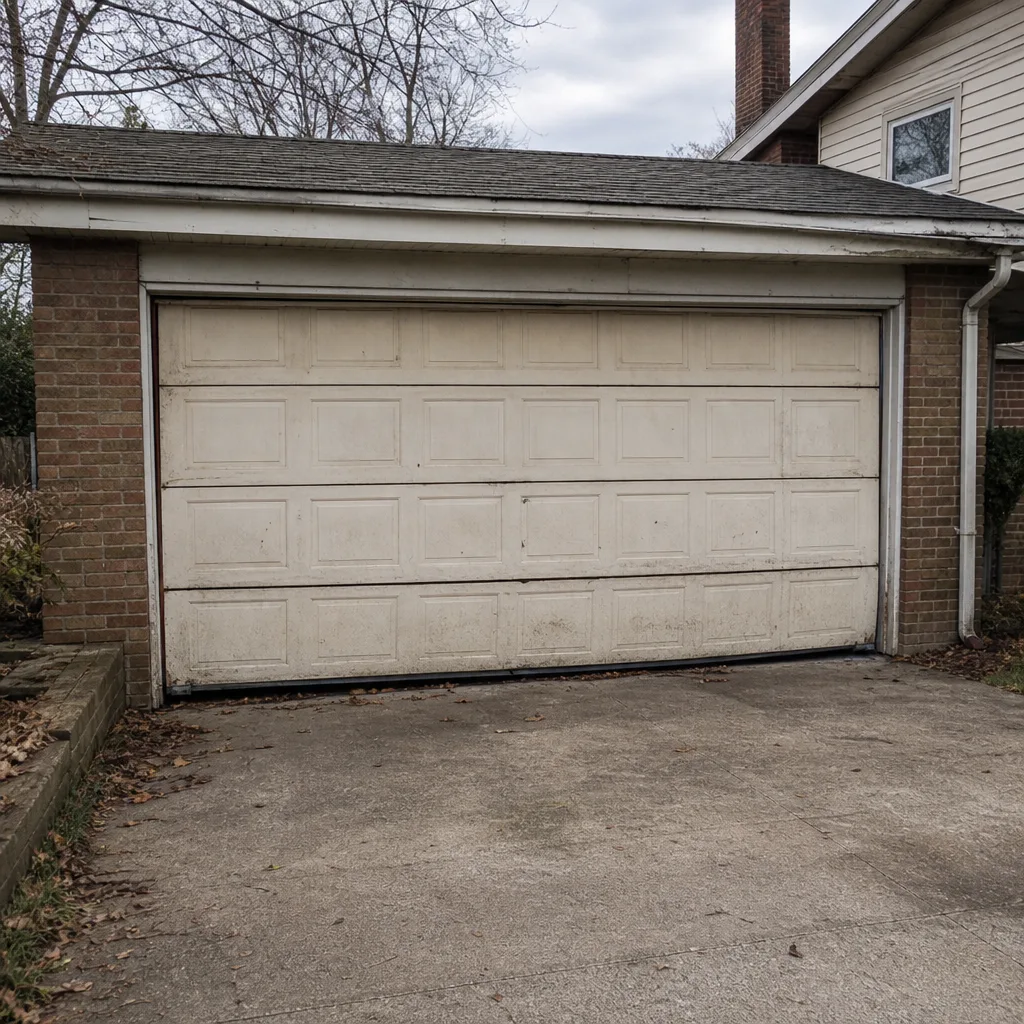 Before
 After
 Before
 After
 Before
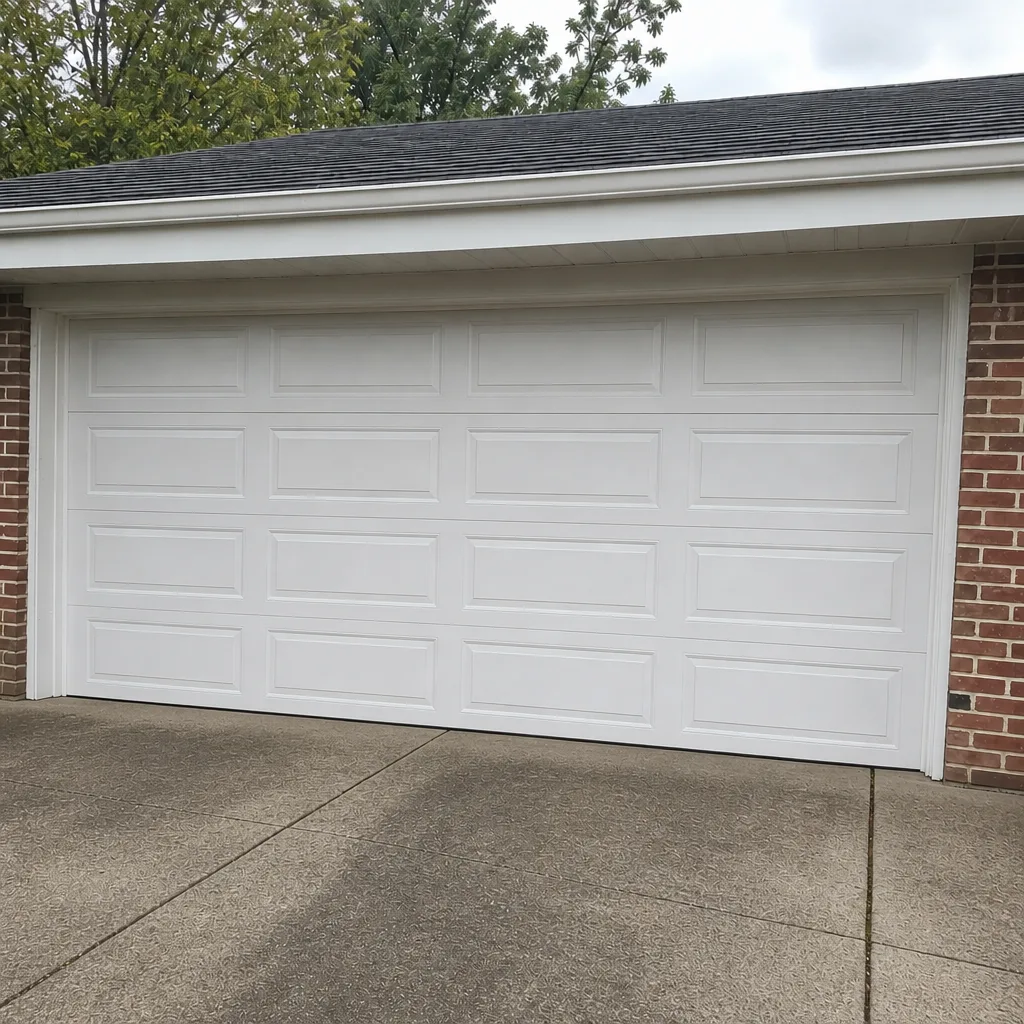 After