Last updated November 21, 2026
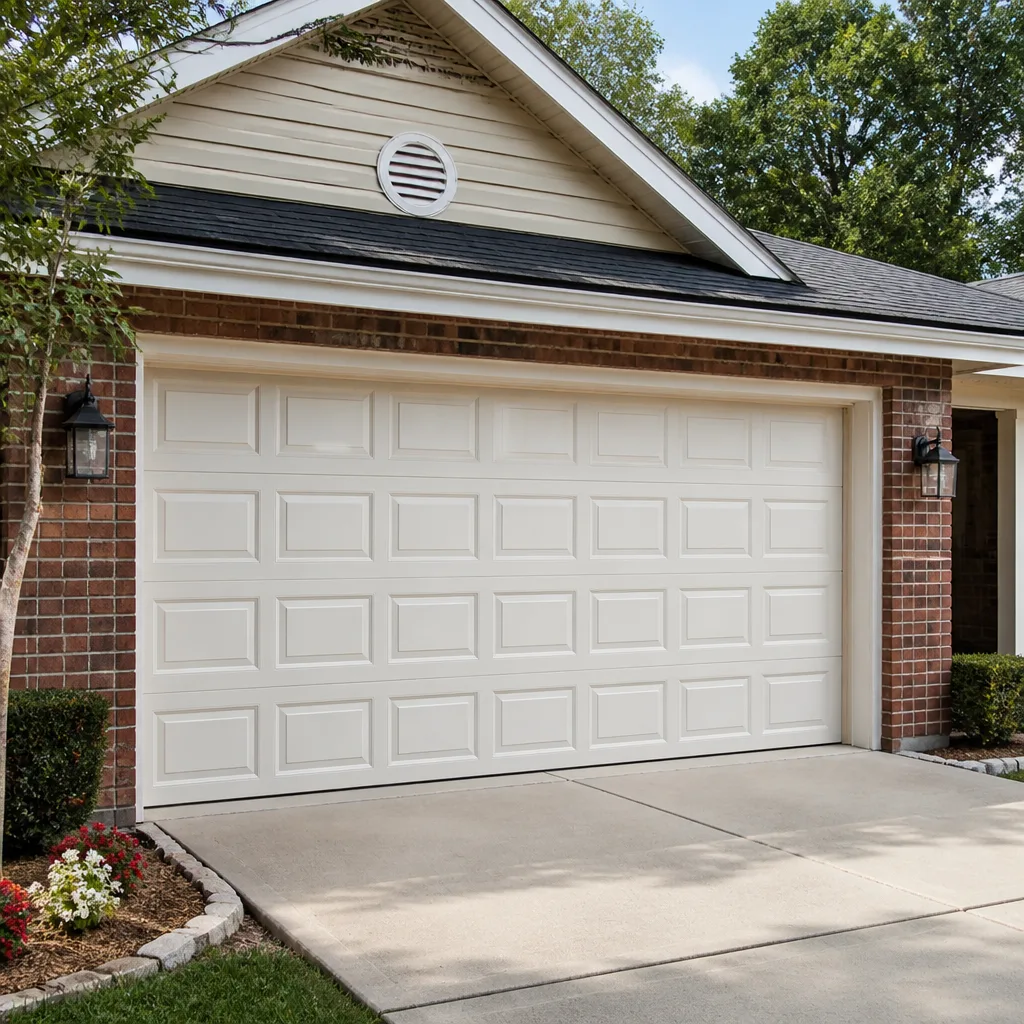 Raised-panel steel
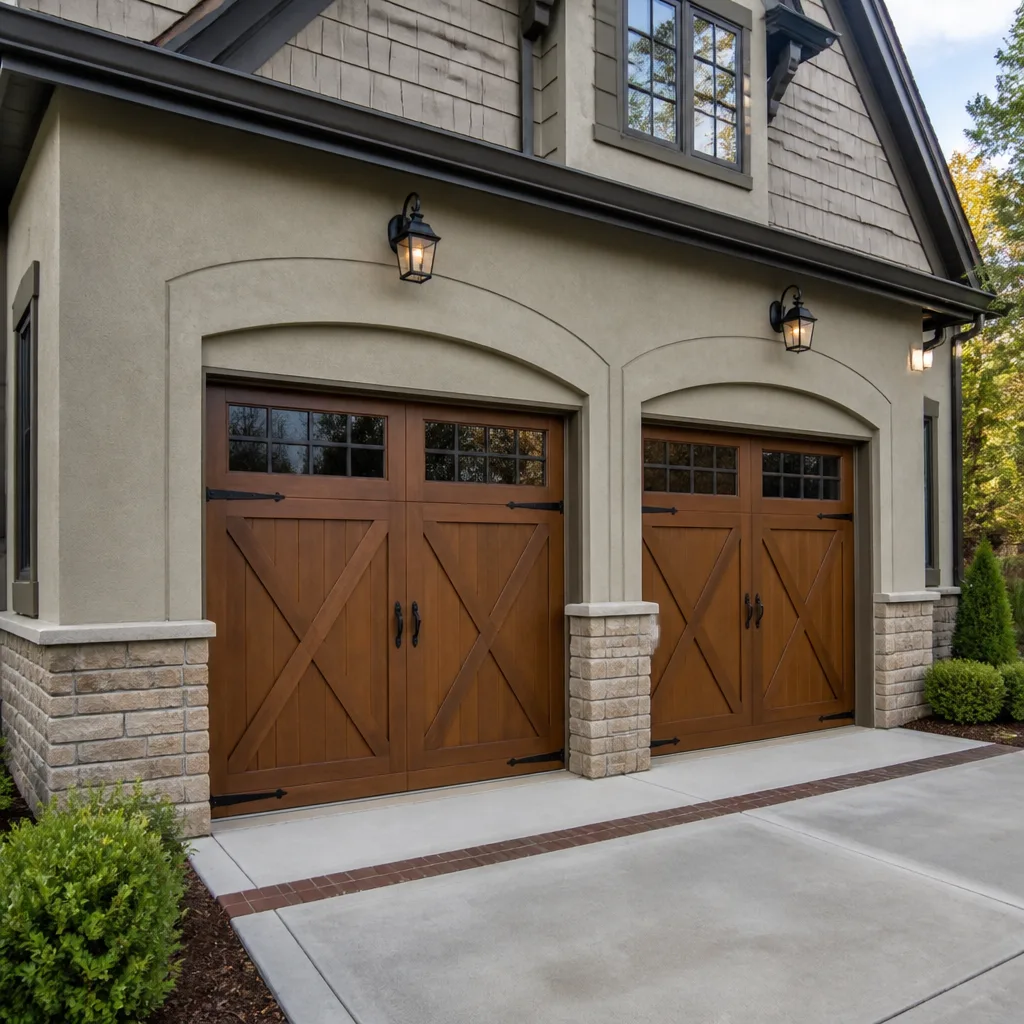 Carriage house
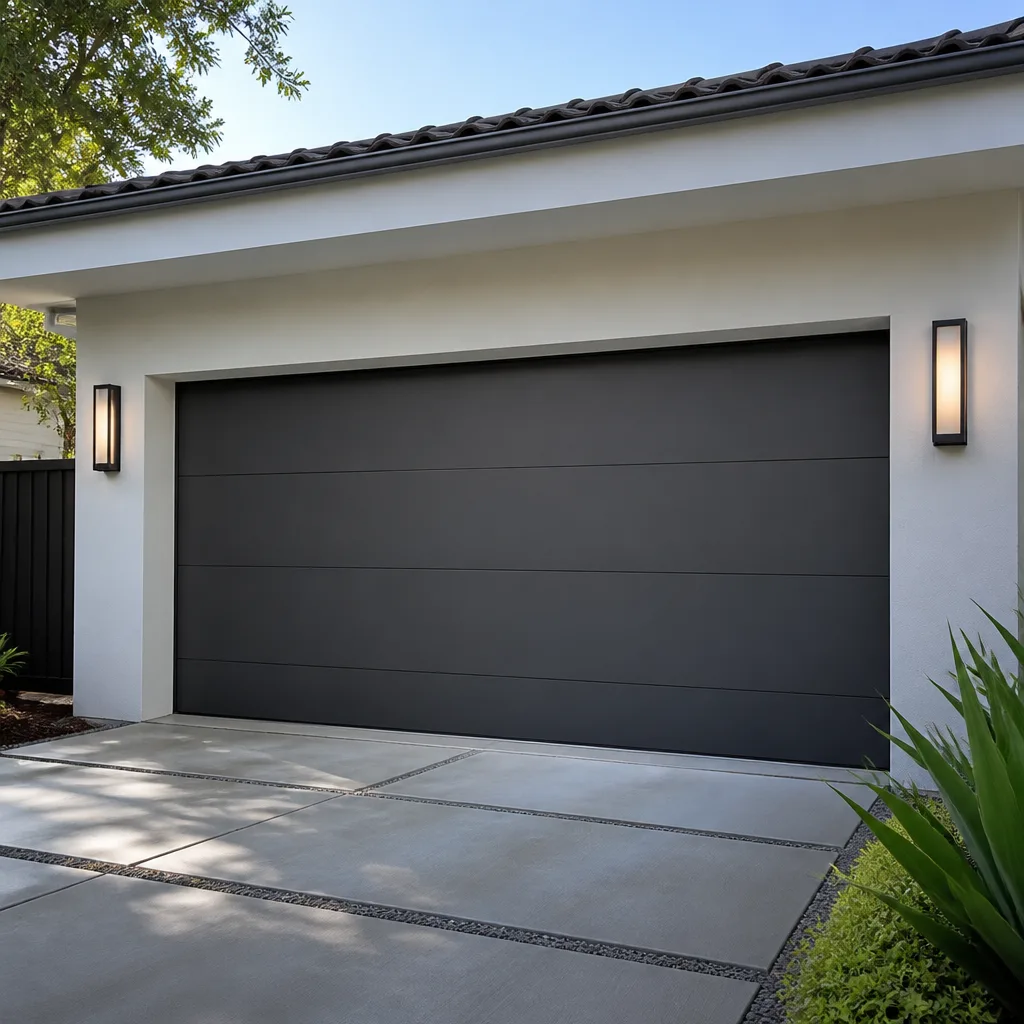 Modern flush
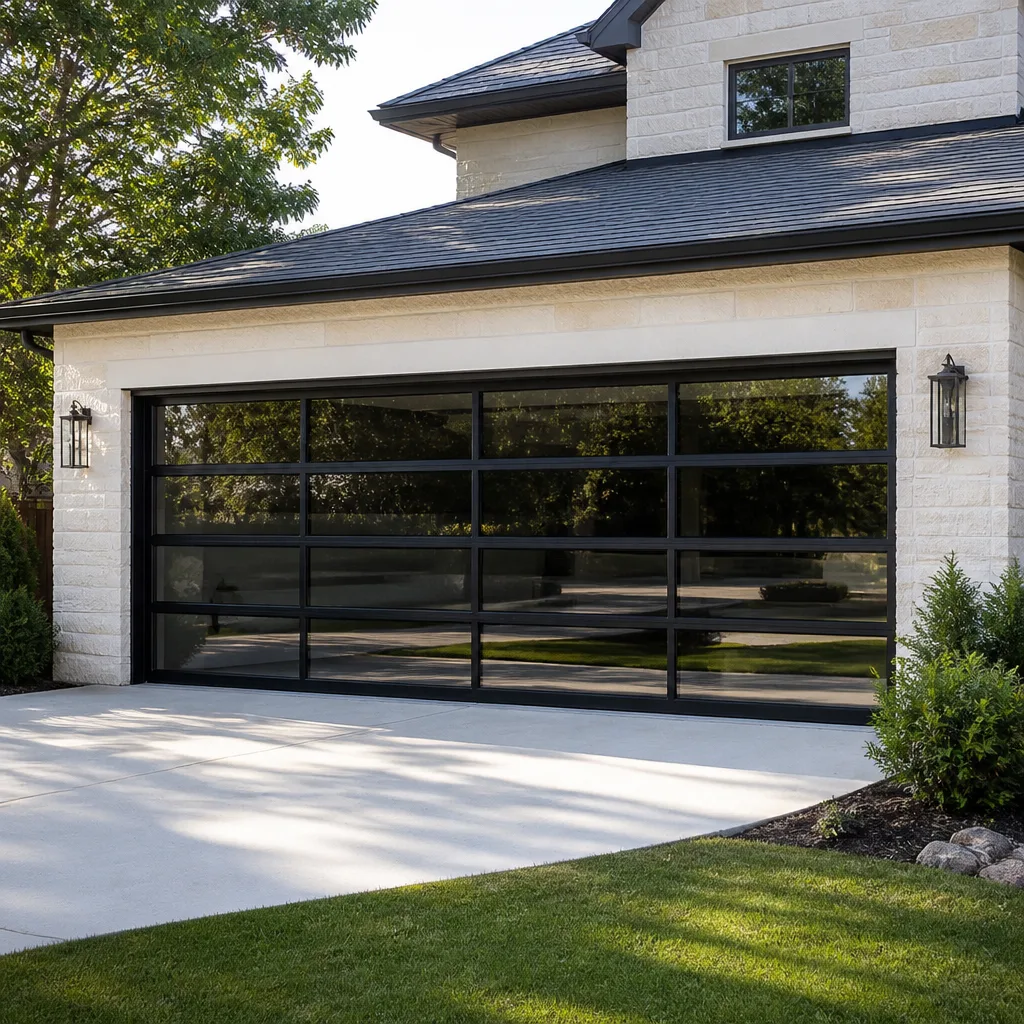 Full-view glass
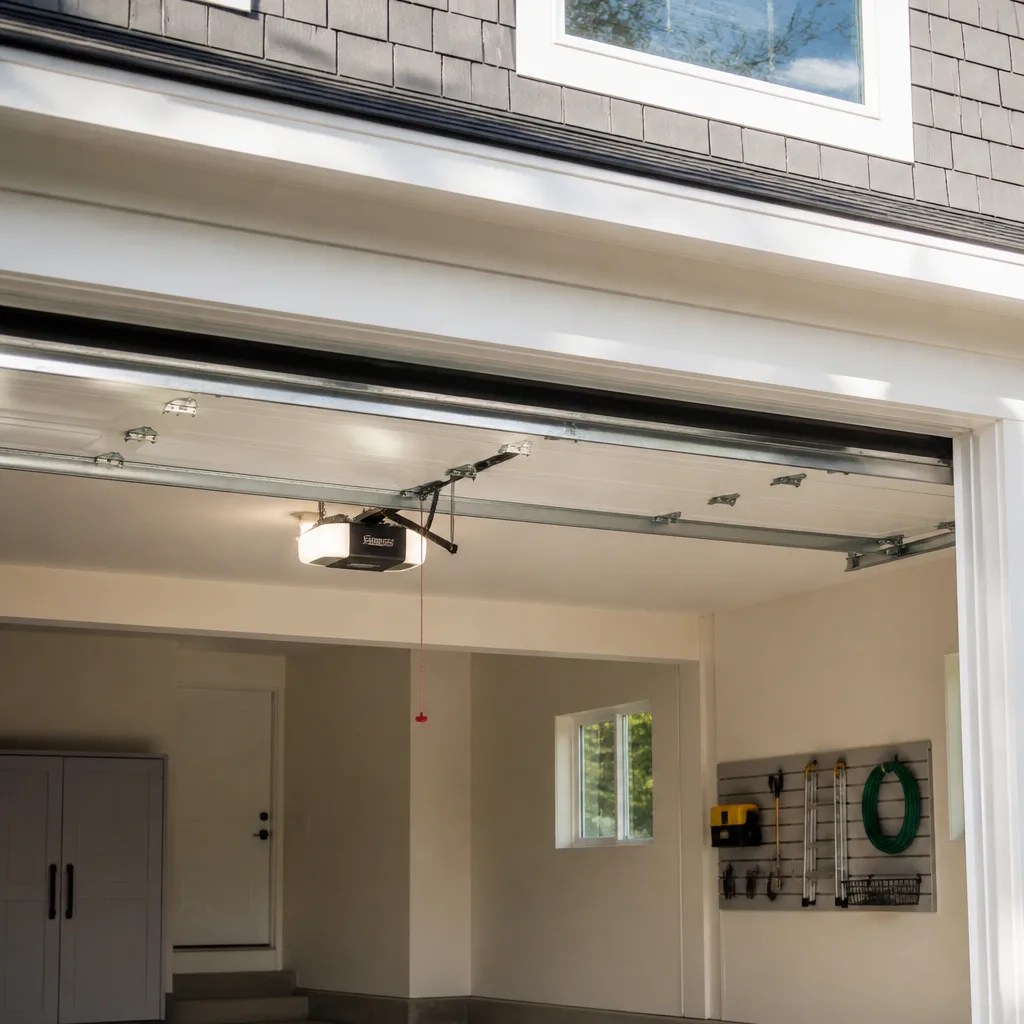 LiftMaster openers
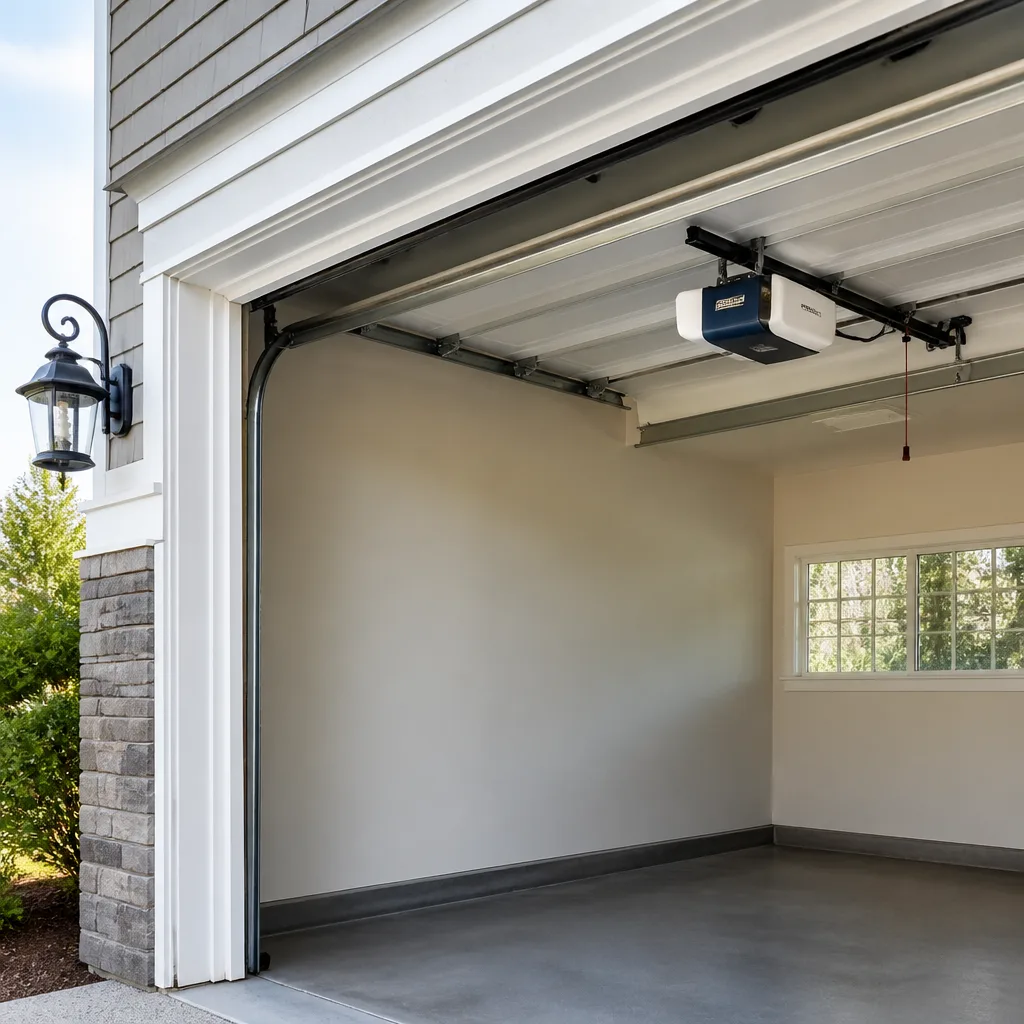 Chamberlain openers
Full 25-point door and opener safety check with every visit - springs, cables, rollers, tracks, and your LiftMaster or Chamberlain opener included
You get a price before we start. It does not change when the pro arrives.
Get your free estimateGarage Door Permits, Codes & Inspections in Brookline, PA: What You Need to Know
A garage door replacement done without a required permit in Allegheny County won’t stop you from living in your home. It will sit quietly in the record, though, and it can surface on a title search years later, right when a buyer’s lender asks for documentation on the work. Most Brookline homeowners never pull a permit for a garage door, and in plenty of cases that’s correct. The problem is that nobody explains which cases are which. Contractors who want to avoid paperwork say “you don’t need a permit” as a reflex. Municipal offices don’t publish a garage-door-specific guide. So the decision gets made on a shrug. This guide walks through where those lines actually fall, how door replacements differ from opener work and structural changes, what fire separation and auto-reverse rules mean for a PA garage, and what to do if you inherited an unpermitted door. We’ll point out what a real permit process looks like when a contractor runs it properly.
Quick Answer
In Brookline and the rest of Allegheny County, a straight swap of a like-for-like garage door or opener on an existing opening typically does not require a permit, while any work that alters the opening’s size, framing, header or electrical circuit usually does. Attached garages carry extra code requirements for fire separation and auto-reverse safety features regardless of permit status. If you’re unsure how your job is classified, ask the municipality’s building department before the work starts, and get the answer in writing.
Styles & brands we work with
- Raised-panel steel
- Carriage house
- Modern flush
- Full-view glass
- LiftMaster openers
- Chamberlain openers
Table of Contents
- Where the Permit Line Actually Falls in PA and Allegheny County
- Door Replacement vs. Opener Installation vs. Structural Changes
- What a Code-Compliant Garage Door Installation Must Include in PA
- You Inherited an Unpermitted Garage Door: Disclosure and Remediation
- What a Reputable Contractor’s Permit Process Looks Like
- What Happens During a Garage Door Inspection
- Why Brookline Resale and Refinance Checks Catch Unpermitted Work
- Common Mistakes to Avoid
Where the Permit Line Actually Falls in PA and Allegheny County
Pennsylvania’s Uniform Construction Code sets the statewide baseline, and Allegheny County municipalities administer it through their own building departments. Garage door work isn’t called out by name in a tidy checklist, which is exactly why the answer feels fuzzy. The trigger isn’t the door itself. The trigger is whether the work touches the building’s structure or its regulated life-safety systems.
Here’s how the scope breaks down in practice:
- No structural or electrical change: A like-for-like replacement of a garage door or a garage door opener, reusing the same opening, springs, tracks and wiring, generally doesn’t require a permit. This covers most of the calls we get in Brookline.
- Structural change to the opening: Widening the opening, replacing a header beam, cutting into the wall, altering the framing above the door, or adding a new opening almost always triggers a permit. These are building-code alterations, not swaps.
- New electrical circuit: Running new wiring to power an opener where no circuit existed, or relocating an outlet, is electrical work governed by the electrical code. A permit is usually required, and the work generally needs to be done by a licensed electrician.
- Adding a door to an existing wall: Converting a wall into an opening for a new garage bay is a structural addition. Expect a permit, plans and inspection.
- Homes in historic or design-review areas: Some Brookline structures fall under local design review for visible exterior changes. Even where the construction code allows the swap, a separate approval could apply. Ask the municipality before ordering the door.
The pattern is consistent: if the work changes the building envelope, alters an opening’s dimensions, or adds electrical capacity, assume a permit is needed until the building department tells you otherwise. If the job is a straight replacement of the same door or opener in the same spot, permits are typically not part of it. When you’re not sure, a phone call to the local building department answers it definitively in a few minutes. We’ve seen too many homeowners skip that call and pay for it at resale.
Door Replacement vs. Opener Installation vs. Structural Changes
The permit question changes depending on which of three categories your job falls into. Homeowners often lump them together as “new garage door work,” and that’s where the confusion starts. Here’s a clean breakdown you can bring to a conversation with your municipality or your contractor.
Category 1: Door-Only Replacement
This is swapping a worn or damaged door for a new one of the same size and type in the same opening. No framing moves, no track width changes, no new electrical involved. Door-only replacement on an existing opening is usually a no-permit job. It’s the single most common garage door project in Brookline, and it’s the reason the “no permit needed” answer gets repeated so often. It’s accurate for this category and this category only.
Where it gets murky: if the new door is significantly heavier than the old one and the springs must change to match, that’s still typically no-permit work, because the springs are part of the door system, not the building structure. If a Clopay or Amarr door of different thickness is going in, the tracks and hardware adjust accordingly, but the opening hasn’t changed. That’s still Category 1.
Category 2: Opener Installation
A standard opener replacement, using the existing outlet and ceiling mount, is usually a no-permit job. The wiring doesn’t change, and the unit occupies the same footprint. If you’re installing a new LiftMaster or Chamberlain opener to replace a legacy unit on the same circuit, you’re in this category.
Category 2 tips into permit territory the moment new electrical is involved:
- Adding an outlet on the ceiling where there wasn’t one.
- Relocating an outlet from one side of the garage to another.
- Adding a dedicated circuit for a high-draw opener.
- Wiring a new lighting or safety sensor run where no low-voltage wiring existed.
Electrical items are regulated separately from garage door work, and a permit for the electrical portion is often required. Your door contractor doesn’t pull electrical permits; a licensed electrician does. That handoff is normal and worth planning for.
Category 3: Structural Modifications to the Opening
This is where permits are almost always required. Any of the following will generally trigger a permit:
- Changing the opening’s width or height (a 7-foot door becoming an 8-foot door, for example).
- Replacing or modifying the header beam above the door.
- Moving the side jambs or adding structural framing.
- Cutting a new opening into an existing wall.
- Modifying the wall above a door to add a window or transom.
These are building-code alterations. They need plans, review and inspection, and they often take longer than the door replacement itself. If a contractor tells you a header replacement doesn’t need a permit in Allegheny County, that’s worth a second call to the municipality before signing anything. They have the authority, not the contractor.
If the door work overlaps with other repairs that get flagged during diagnosis, it pays to sort out what belongs in which category before installation day. Our team handles garage door repair daily and can tell you which of the three categories your job falls into when we assess it. Knowing that up front avoids the awkward post-install conversation about a permit that was never pulled.
What a Code-Compliant Garage Door Installation Must Include in PA
Permit or no permit, a garage door installation in Pennsylvania still has to meet code. The rules cover three things homeowners should know about: fire separation, structural load, and auto-reverse safety.
Fire Separation for Attached Garages
Attached garages have to protect the main house from a fire starting in the garage. That protection includes the wall and ceiling separation between the garage and living space, the door between the garage and the house (often referred to as the “man door”), and the construction of any garage ceiling that separates the garage from a bedroom above. The specifics depend on the age of the home and when the garage was built or renovated, so the numbers vary. The point to know: the separation isn’t just the wall. The doors, the drywall and the penetrations all matter. If a garage ceiling or shared wall is being opened up as part of a project, that fire separation has to be restored correctly. This detail gets skipped more often than any other in garage construction, and it’s the main reason inspectors look closely at garages.
Header and Load Requirements
Any garage opening has a structural header above it that carries the wall’s load. When an opening is widened, or a header replaced, that header has to be sized and installed to carry the load that used to be distributed differently. This is construction engineering, not door installation, and it’s why structural changes need a permit and inspection. A door of any brand (Raynor, Craftsman, Wayne Dalton or otherwise) installed into an undersized header is a code problem regardless of how well the door itself works. In Brookline, homes vary widely in age and construction, so the header above your opening was probably sized for a specific door weight and opening width. That’s the calculation to preserve.
Auto-Reverse Standards
Since the early 1990s, code and federal safety rules have required residential garage door openers to include auto-reverse technology, meaning the door reverses when it meets an obstruction or a photoelectric sensor is broken. Modern LiftMaster and Chamberlain units include this, and older units still running today generally comply. What doesn’t comply is an opener with a broken or bypassed safety sensor. If the sensors were removed, taped over, or replaced with a ceiling-only setup, the opener no longer meets the standard and should be repaired or replaced. This is a code and safety issue, and it applies to every installation regardless of permit status. We treat sensor operation as a non-negotiable part of any opener service.
If you’re considering a full replacement and want to make sure the entire system meets these standards, our garage door installation process starts with confirming that the opening and the surrounding structure are correct before a new door goes in.
You Inherited an Unpermitted Garage Door: Disclosure and Remediation
You bought a house in Brookline with a garage door that looks fine, works fine, and was installed without anyone checking whether it needed a permit. That’s a common position to be in. The question is what, if anything, you need to do about it now.
The first step is to establish what was actually done. Look at the door and the opening and answer these questions:
- Is the door the same width and height as the opening framing appears to accommodate, or does the wall above or around the opening look altered?
- Is the opener plugged into an existing outlet, or is there evidence that new wiring was run for it?
- Was the garage ceiling or shared wall finished or modified at any point? Look for newer drywall or patched framing.
- Is there a header that looks undersized or shimmed in?
- Are the safety sensors present and functioning?
If the answers suggest only a like-for-like door or opener swap, there’s usually nothing to remediate. The next question is whether any permit was required and never obtained. If structural or electrical work appears to have been done, that’s where a conversation with the local building department is worth having. Ask them to look at the property record and tell you what, if anything, is missing.
Remediation paths vary. Sometimes the municipality allows a retroactive permit with inspection. Sometimes the fix is to restore the opening to its original configuration and then permit the work properly. Sometimes the notice only comes up at resale, in which case the disclosure can be made to buyers with the property record. Pennsylvania has seller disclosure requirements, and a known unpermitted structural change is generally something a seller should disclose. That’s a real estate attorney question, not a garage door question, but it’s the reason this matters at title search time.
A title search will show permitted work. It won’t show unpermitted work with a clean paper trail. That gap is what sellers get blindsided by. If the previous homeowner in your case did the install without permits, be honest with yourself about the risk and get it looked at by the municipality early. It’s cheaper to remediate on your schedule than during a buyer’s due diligence.
What a Reputable Contractor’s Permit Process Looks Like
You can usually tell whether a contractor handles permits properly by what they say in the first five minutes. A contractor who reflexively says “you don’t need a permit for this” without asking about the opening, the wiring and the age of the home is telling you something. They’re not asking because they don’t want the answer to change the job. Here’s what a real process looks like.
- They ask about scope before answering the permit question. Opening size, wiring, the age of the home, historic district status, whether the door is going in the same spot or not. A permit answer that comes before those questions is a guess.
- They tell you what category your job falls into. Door-only, opener installation, or structural change. The answer should match the three categories, not a general “you’re fine.”
- They tell you who pulls the permit. In most counties, the property owner can pull a permit as the owner-occupant, but many jobs are pulled by the contractor. If the job requires one and the contractor says “we don’t do permits,” that’s a red flag.
- They hand you the municipality’s contact info if there’s any gray area. A good contractor wants you to verify. A bad one wants you to skip it.
- They put the permit scope in the written estimate. If a permit is required, that line item and its expected timeline should appear in the written quote, before any work starts.
- They know what the electrical portion involves. If new wiring is part of the job, they tell you a licensed electrician pulls the electrical permit, and they don’t blur that line.
- They follow up on the inspection. Once the permit is issued, someone schedules and manages the inspection. It doesn’t get dropped after the door is hung.
The right answer to “do I need a permit” isn’t a fixed yes or no. It’s a contractor who knows when to say “probably not, and here’s why” and when to say “yes, and here’s the process.” We handle jobs in Brookline every week where the answer is one or the other, and we’re upfront about which. If they lead with a reflexive no, ask them what they’d need to see to change their mind. Their answer will tell you everything about whether they’ve ever looked at this carefully.
One more thing to watch: a contractor who suggests skipping a permit to keep the schedule short. That’s not a favor. It’s a decision that shifts the risk onto you and your title record. A reputable contractor would rather have the job take an extra few days and the work be documented, especially for a structural change to the opening. If you’ve heard a scary story about a garage door failing after an install, the cause was usually a spring, a cable or a header issue, not the permit itself. But the permit and inspection are what catch the header issue before anyone gets hurt.
What Happens During a Garage Door Inspection
If your job requires an inspection, or if you’re having work looked at after the fact, knowing what the inspector checks makes the process a lot less mysterious. Inspections on garage door and opening work typically cover these items:
- Header and framing: The inspector confirms the header above the opening is sized and installed correctly, attached properly and carrying the load as designed. This is the single most common reason for a failed inspection on door-related work.
- Fire separation: For attached garages, the separation between the garage and living space is checked. That includes the drywall, the closure at the wall, and any doors between the garage and the house.
- Electrical: If new wiring was part of the job, the electrical inspector confirms the circuit, the outlet and the connections are correct. The opener power and the ceiling outlet are separate items from the door.
- Auto-reverse and sensors: For opener work, the inspector will test the force setting and the photoelectric sensors. Both features have to work.
- Structural attachments: Track brackets, the opener’s mounting point, the torsions springs’ anchoring. Anything that has to hold against the door’s movement gets a look.
Springs deserve a separate safety paragraph, because they’re the most hazardous part of any garage door. The tension springs that counterbalance a door are under extreme load, and the tools and training needed to handle them safely aren’t part of a general handyperson’s kit. Our technicians have up to 12 years of experience working with these systems, which is why spring work is a dedicated service for us rather than an add-on to a general repair visit. We don’t recommend homeowners adjust, replace or remove a torsion spring themselves. Even the practice of releasing tension on a spring is dangerous without the specific winding bars and technique, and the consequences of a slip are serious. The inspector’s job is not to touch the spring; it’s to confirm it’s properly part of the door assembly. The trained pro’s job is to work it safely.
If an inspection comes back with a note, the fix usually sits with the contractor who did the work or with a licensed electrician for the electrical portion. Inspectors don’t repair things; they document. That’s why choosing a contractor who plans for the inspection in the first place saves time. Our garage door opener repair work on Brookline homes includes confirming sensor and auto-reverse function as part of the service, so nothing gets flagged on the way out.
Why Brookline Resale and Refinance Checks Catch Unpermitted Work
A title search pulls the property’s permit history. It doesn’t require anyone to confess to unpermitted work, but any permitting on record creates a paper trail the buyer’s attorney and lender can compare against the visible state of the property. If a structural opening change was made and never permitted, there’s a gap between the record and the building. That gap gets noticed.
Brookline homes vary in age, and many have garages that have been touched more than once. Buyers and their title companies look at the record for the property. When a lender is involved in a purchase or a refinance, that record often shows up in the loan review. A garage door that was installed without a permit doesn’t automatically stop a sale. It can become a disclosure item, and a buyer can ask for a retroactive permit, an inspection, or a price adjustment. Sometimes the answer is to accept what the buyer asks for. Sometimes it’s to get the permit corrected before the listing goes live, and that’s usually cheaper and faster than arguing about it during due diligence.
The cleanest position to be in when you sell a Brookline home is that all garage work is either on record as permitted or clearly falls into the no-permit category (a like-for-like door or opener swap). That’s a five-minute conversation with the building department during the pre-listing walkthrough, and it’s worth doing. The worst position is discovering the problem during a title search, because by then the buyer’s attorney is already focused on it. This guide exists partly to get homeowners ahead of that problem, not to sell permits. There’s nothing wrong with a swap that never needed a permit. There’s real friction when a structural change gets flagged with nothing on record.
Common Mistakes to Avoid
- Taking “you don’t need a permit” at face value without scope questions. The answer depends on whether the opening or the wiring changed. A contractor who doesn’t ask before saying no isn’t giving you the answer; they’re giving you their preference. Ask them what they checked.
- Assuming every garage door replacement needs a permit. The opposite mistake is just as common. A like-for-like door swap in Brookline usually doesn’t need one, and pulling a permit for a simple swap just adds cost and time without benefit.
- Skipping the electrical side of an opener upgrade. If the new opener needs an outlet that doesn’t exist, that’s a separate permit from the door work, and it belongs on a licensed electrician’s scope. Treat it as a handoff, not a detail.
- Using a contractor who offers to “just do it” when a permit is required. That decision passes the risk to you. The work itself might be perfectly good, but the record of it won’t exist, and that’s what shows up at resale or refinance.
- Overlooking fire separation when finishing or altering an attached garage. Any project that opens up the garage ceiling or the shared wall has to restore the fire separation. That detail is easy to miss when a job is mostly about the door.
- Touching a torsion spring yourself. Springs are dangerous, and the tools and training to handle them safely are specific to the trade. Never take on this part of the job as a homeowner, even if you’re comfortable with other garage repairs.
- Ignoring a prior installation’s permit history until you’re selling. Get ahead of it. Sorting out a permit question during a pre-listing walkthrough costs far less stress than sorting it out during a buyer’s inspection window.
See the difference
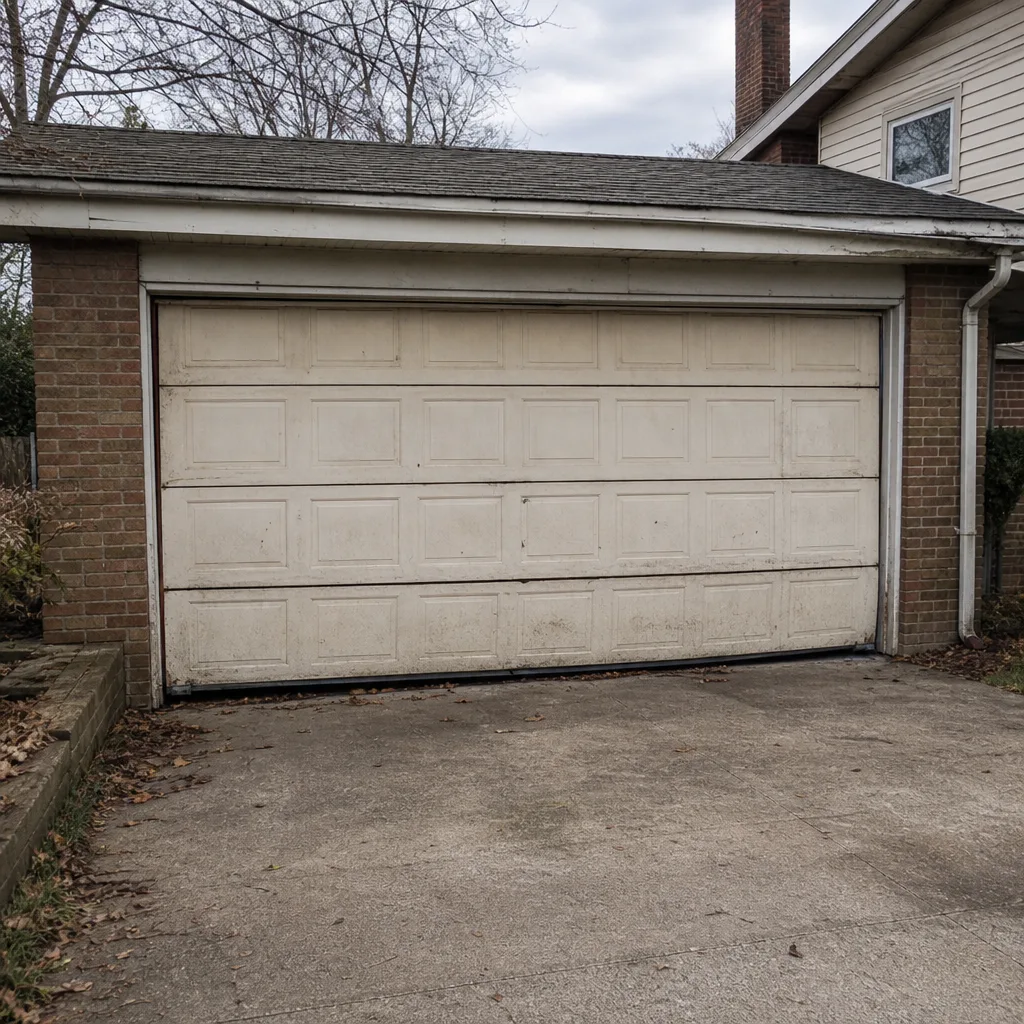 Before
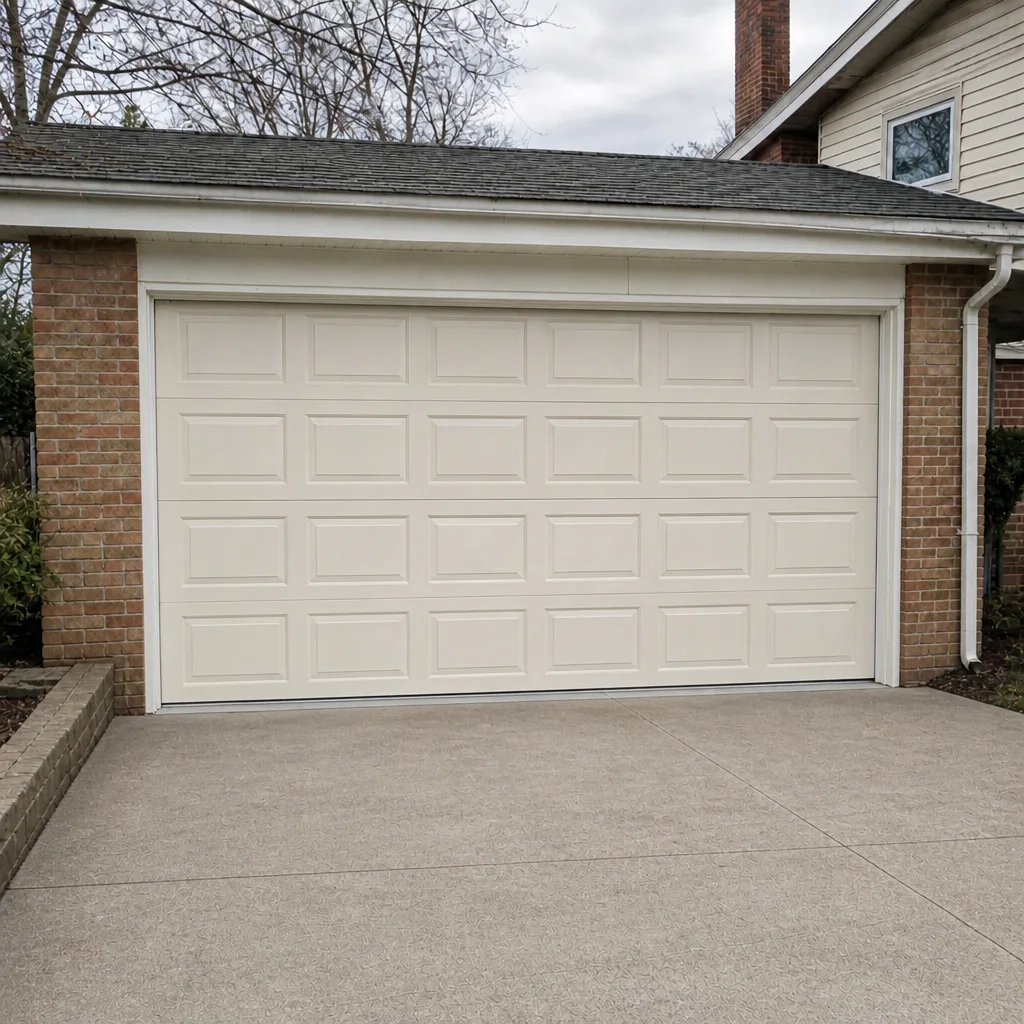 After
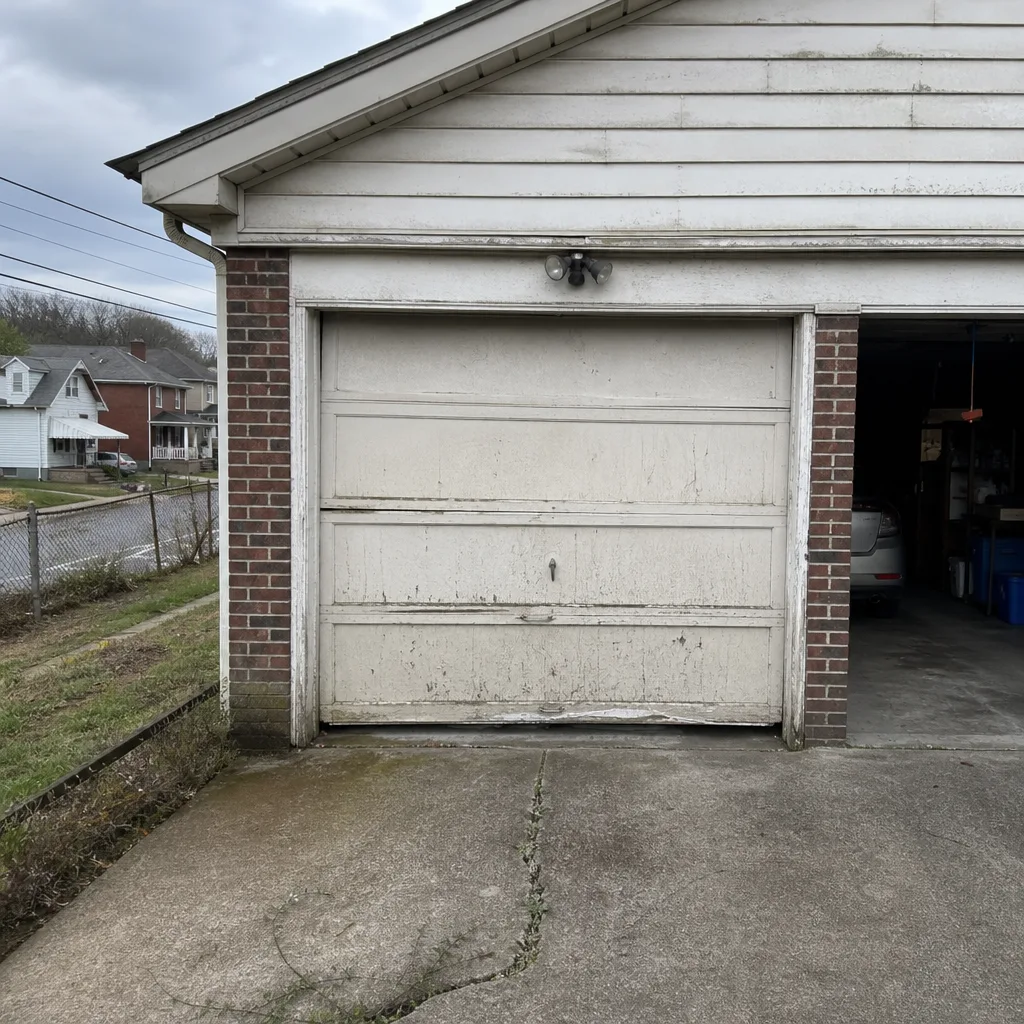 Before
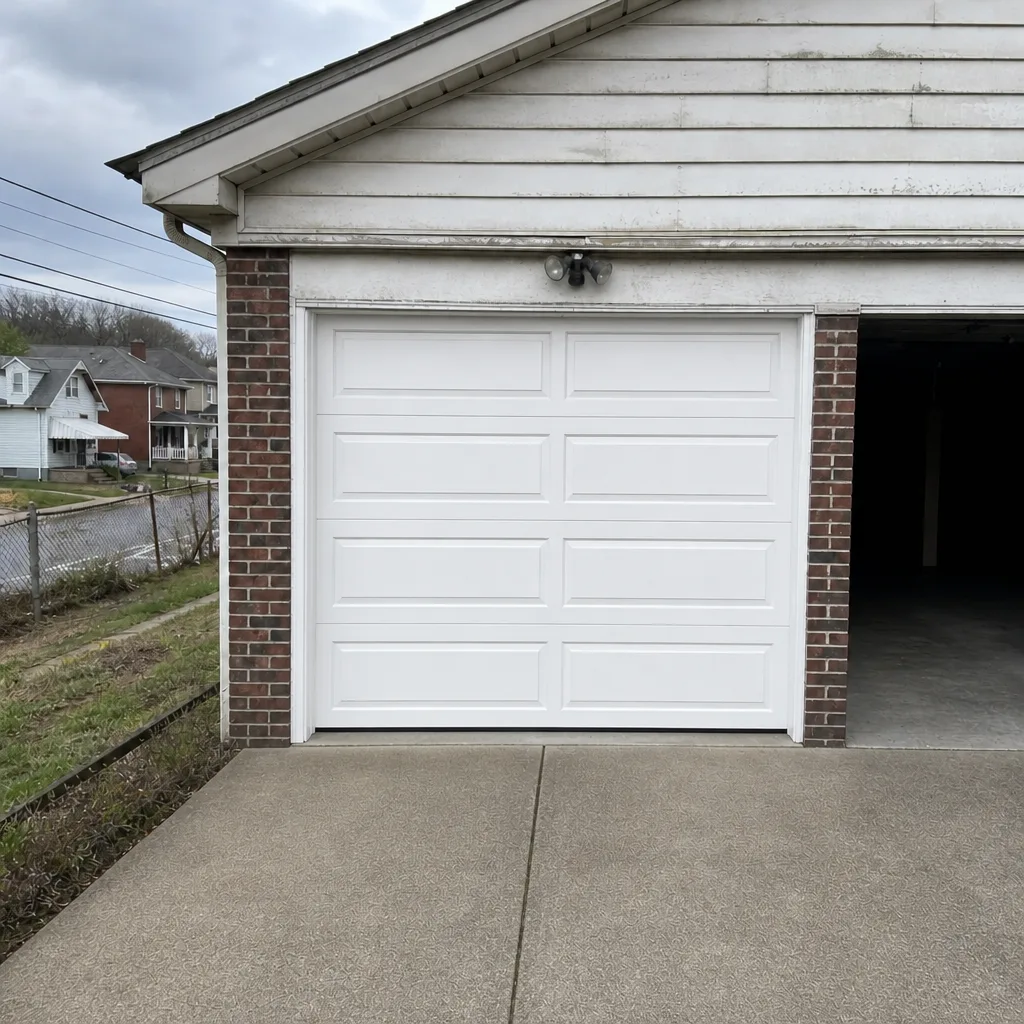 After
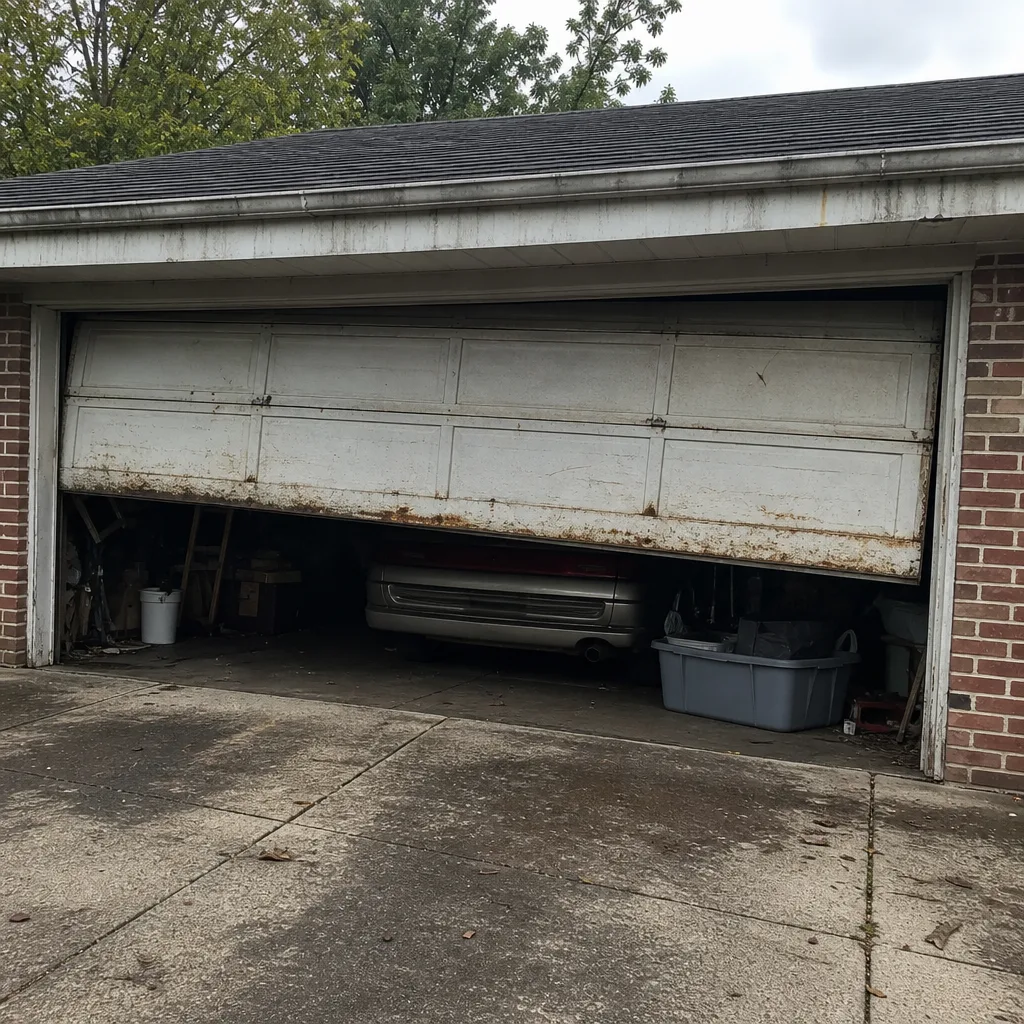 Before
 After
When to Call a Professional
Some of the questions in this guide are answered best by your municipality’s building department. Some are answered best by a garage door contractor who has seen the specific situation. Call a professional when a door or opener job overlaps with anything structural or electrical, when an inspection came back with a note, when a previous installation’s permit status is unclear, when a spring has broken, when the door is off track or uneven, or when the safety sensors aren’t working. Those are the moments where the wrong decision (or a DIY attempt on a spring) is more expensive than the right call.
Brookline Garage Door Repair Pros offers free estimates in Brookline. If you’re not sure whether your job falls into the door-only, opener or structural category, that’s exactly the kind of assessment a site visit answers. Call (888) 478-5598 and we’ll walk through your setup, tell you what category the job is in, and quote the work before anything starts.
Frequently Asked Questions
Usually not, if the new door goes into the same opening and no framing, wiring or opening dimensions change. If the work alters the opening’s size, replaces a header, or requires new electrical, a permit is typically required. When in doubt, call the local building department and confirm your specific scope before ordering the door.
A straight replacement on an existing ceiling outlet usually doesn’t require a permit. If the installation involves a new outlet, a relocated outlet or a new circuit, the electrical portion typically does require a permit and a licensed electrician. The opener itself and the wiring are two separate scopes. Call (888) 478-5598 for an exact quote on the door-side work; estimates are free.
Nothing automatic, but the gap can appear in a title search at resale or during a refinance. The path forward is a conversation with the local building department about whether a retroactive permit or an inspection applies, and disclosure to buyers if the change is structural. Getting ahead of it before a sale is cheaper and less stressful than handling it during a buyer’s due diligence.
Attached garages need fire separation between the garage and the living space, headers over openings have to be sized and installed to carry the load, and openers have to include working auto-reverse and photoelectric safety sensors. These requirements apply whether or not a permit is required for the door itself. The specifics of fire separation depend on the home, so ask the municipality what applies to your property.
An assessment by a garage door specialist can confirm the door, springs, tracks, sensors and opener are installed correctly and functioning safely. That doesn’t replace a permit record, but it does tell you whether the work is sound. Call (888) 478-5598 to set up a free assessment – estimates are free.
A contractor who asks about the opening, the wiring and the age of the home before answering the permit question, writes the permit scope into the written estimate, and knows which parts of the job require an electrician. Anyone who says “you don’t need a permit” without those questions is a red flag. Call (888) 478-5598 to talk through your job with a team that will tell you which of the three categories it falls into.
The Bottom Line
The permit question for garage doors in Brookline isn’t one answer, it’s three. Like-for-like door and opener replacement on an existing opening usually doesn’t need a permit. Structural changes to the opening, header or framing almost always do. New electrical work for an opener sits in its own category with its own permit. Code requirements around fire separation, header sizing and auto-reverse standards apply regardless of permit status, and springs are the part of the system to leave to a trained pro. If you inherited an unpermitted installation, sort out the record before resale catches it. If you want the job done right and documented, our team works on LiftMaster, Chamberlain, Genie, Clopay, Amarr, Wayne Dalton, Craftsman and Raynor systems, and we can walk through your specific scope. From a single spring to a full installation, we handle the door work under our roof, and we’re upfront about which parts of your job sit with the building department.
Ready to get a straight answer about your garage door? Call Brookline Garage Door Repair Pros at (888) 478-5598 for a free estimate in Brookline. We’ll confirm what category your job is in, tell you what permits apply, and quote the work before it starts. For broader context on the full range of work we handle, start at Brookline Garage Door Repair Pros.
Written by the team at Brookline Garage Door Repair Pros.