Last updated November 21, 2026
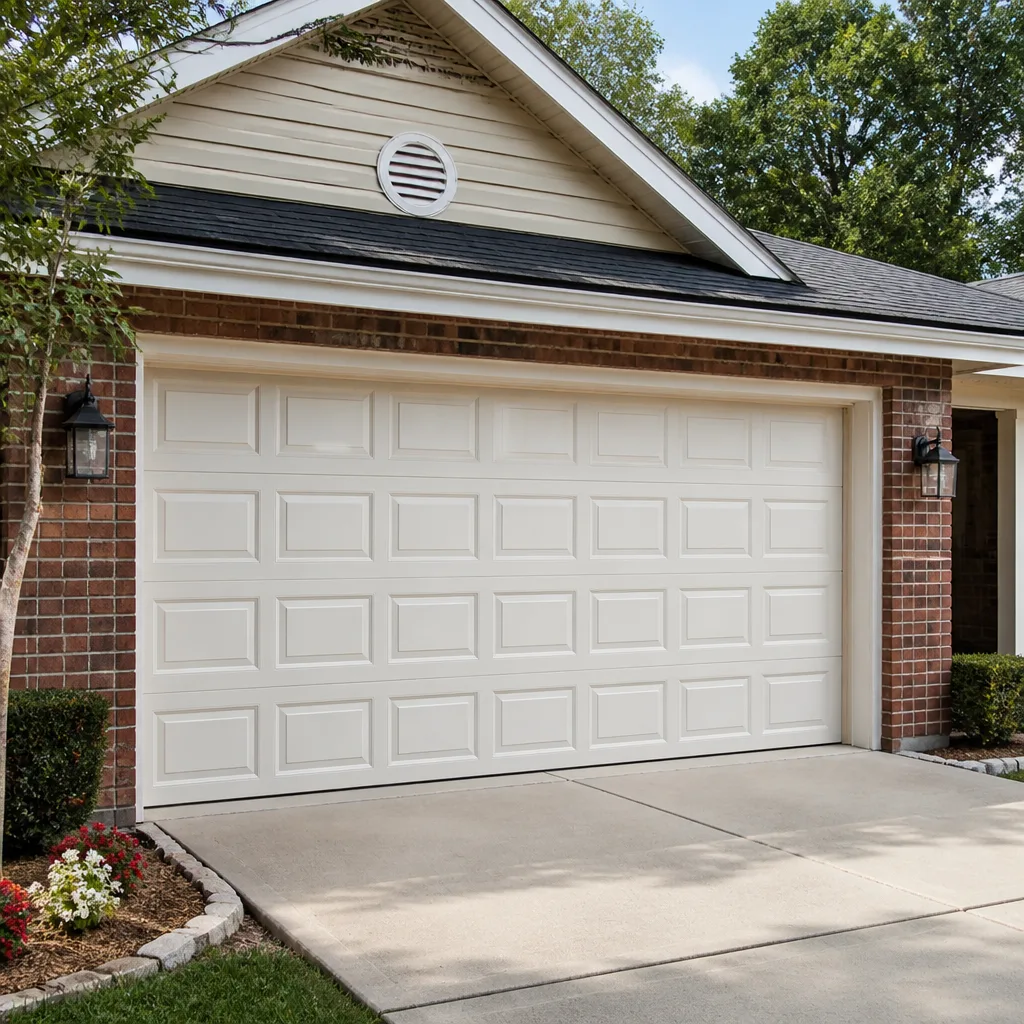 Raised-panel steel
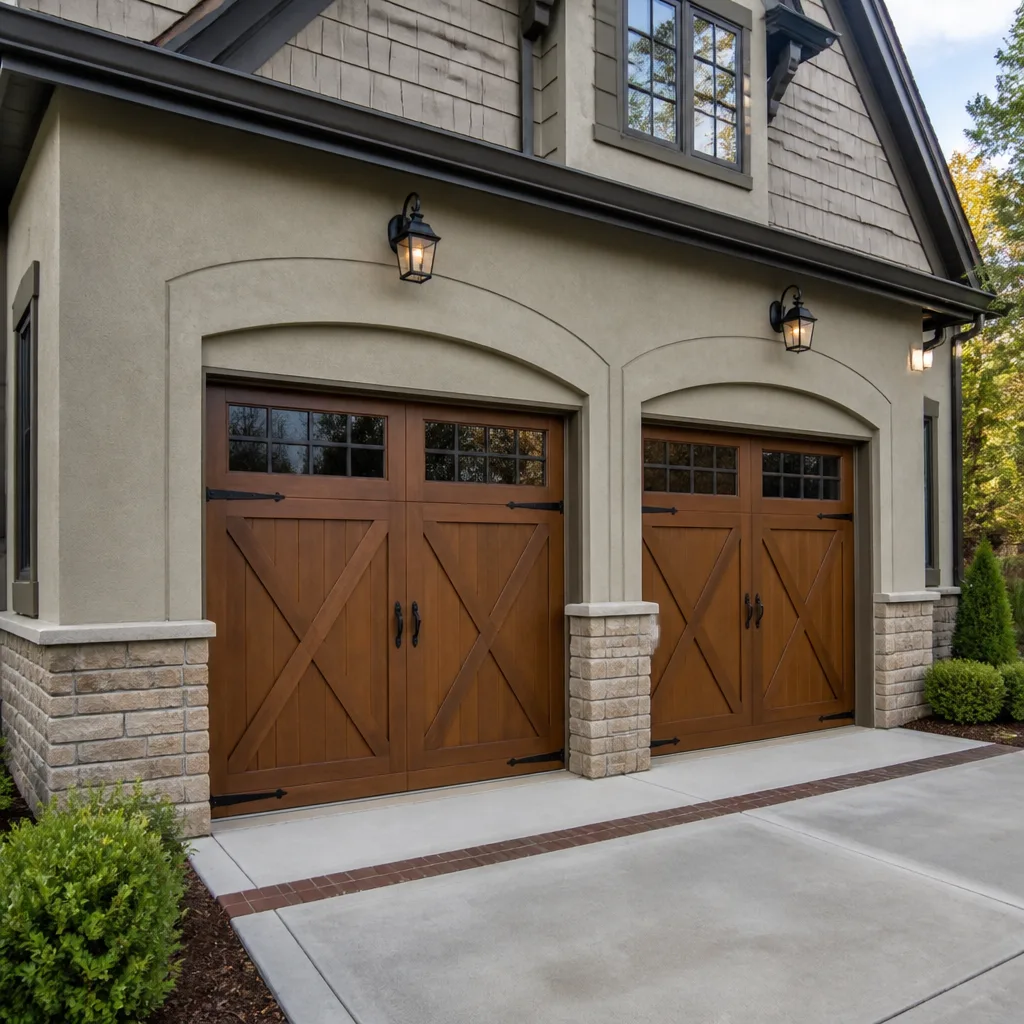 Carriage house
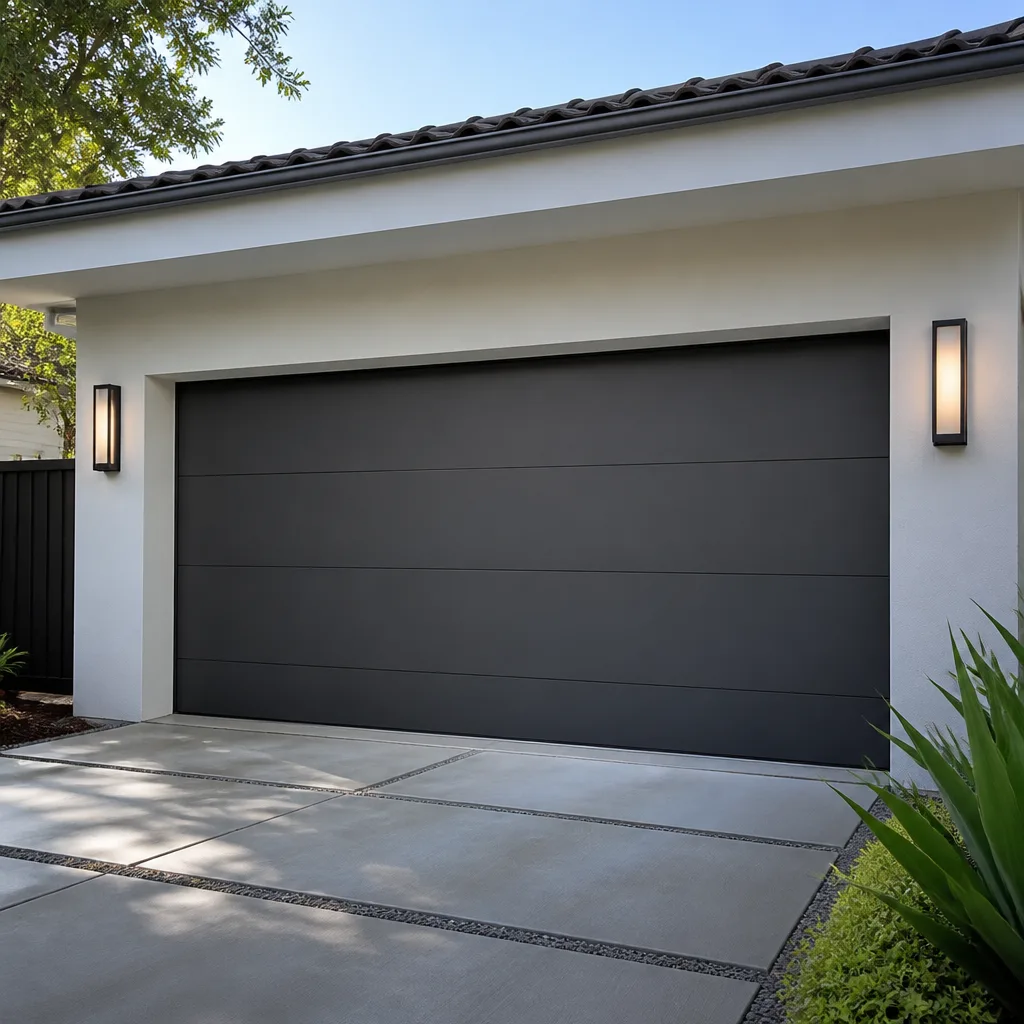 Modern flush
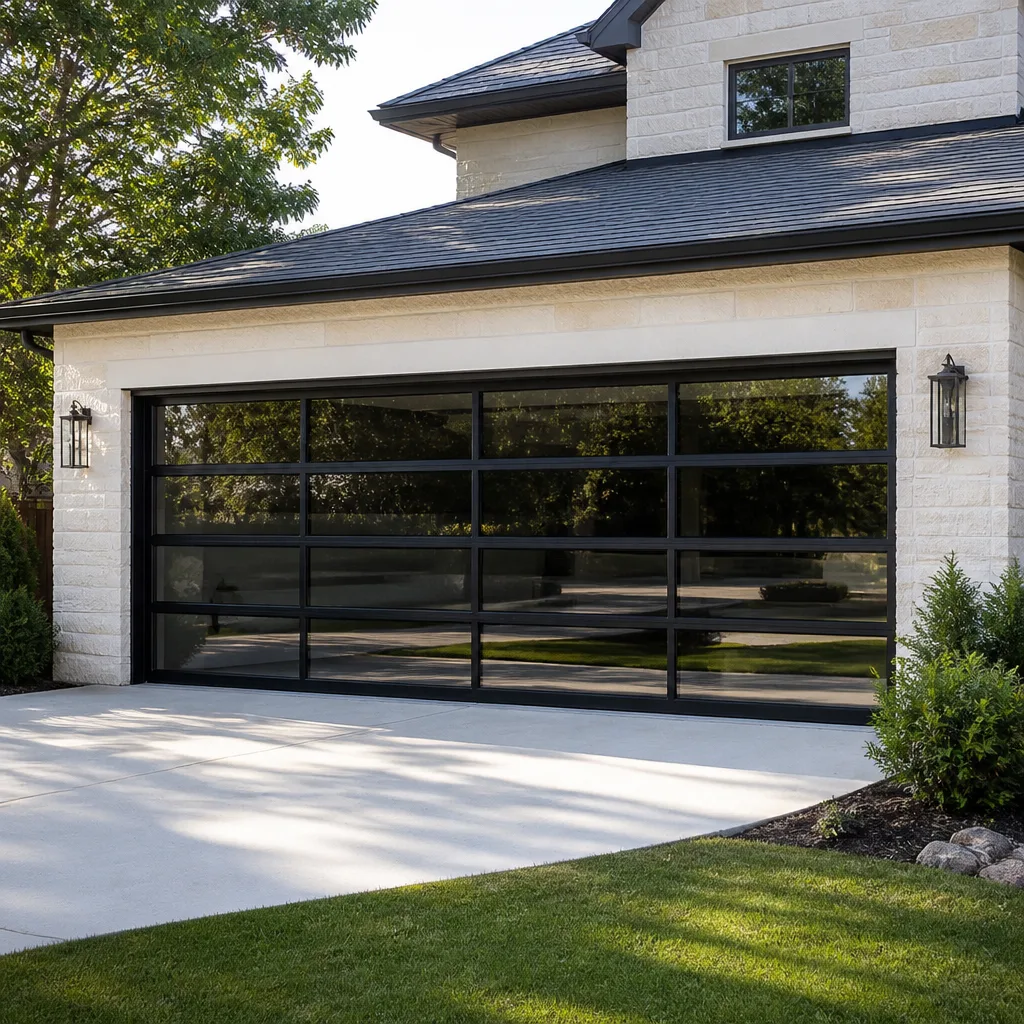 Full-view glass
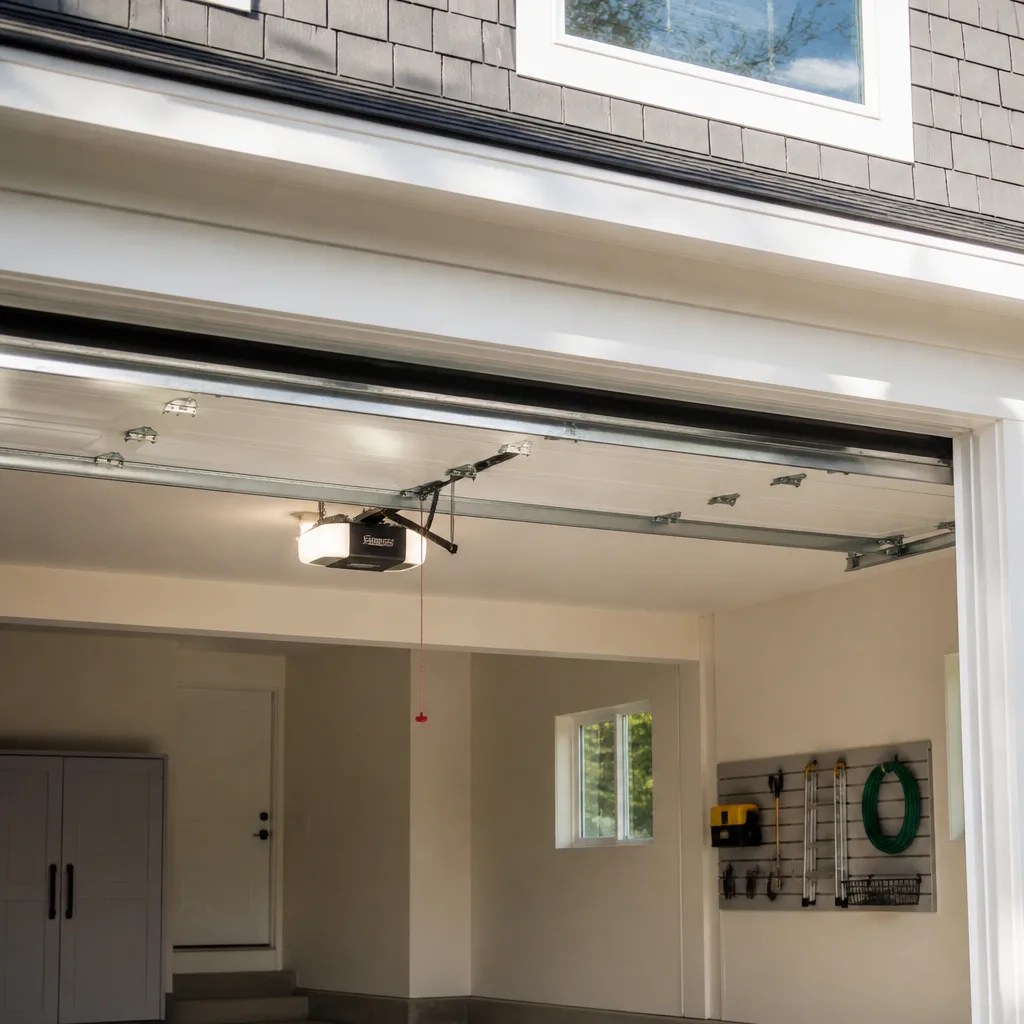 LiftMaster openers
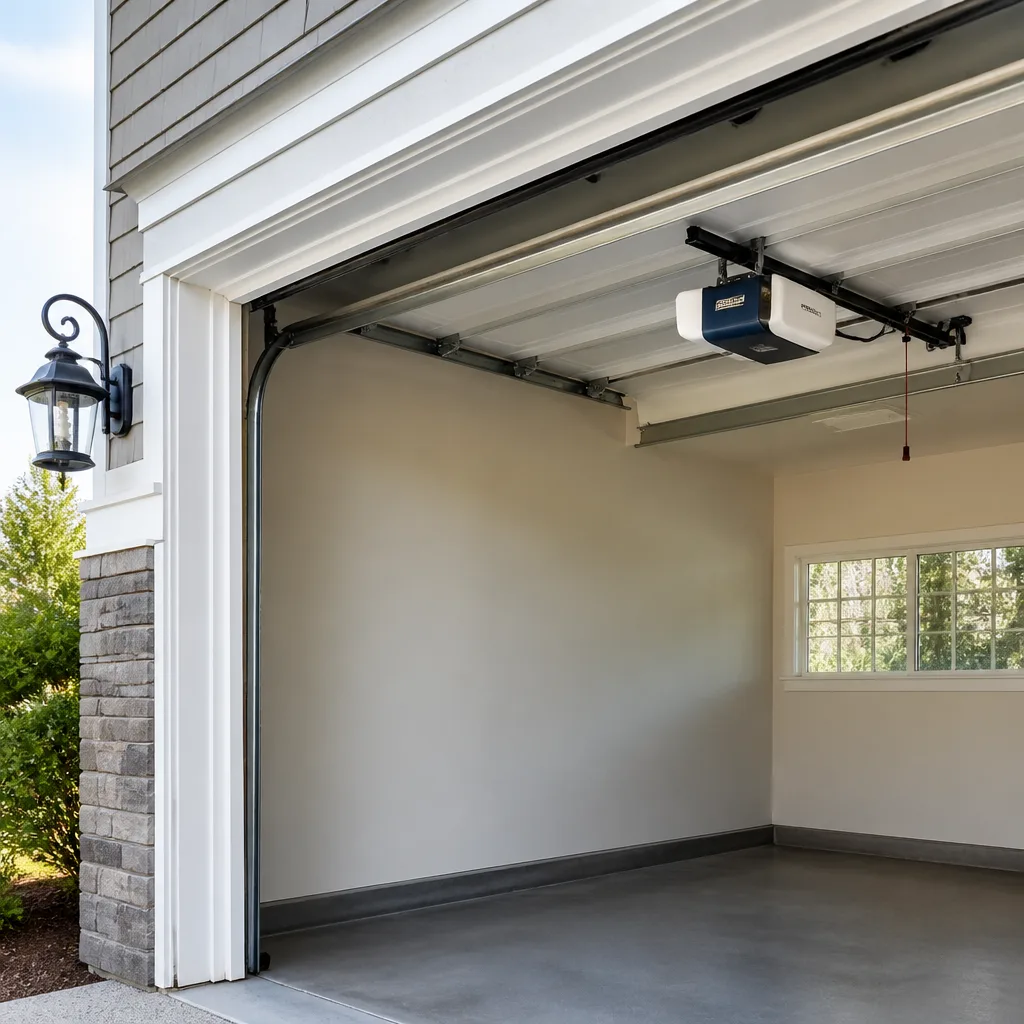 Chamberlain openers
Full 25-point door and opener safety check with every visit - springs, cables, rollers, tracks, and your LiftMaster or Chamberlain opener included
You get a price before we start. It does not change when the pro arrives.
Get your free estimateGarage Door Emergency Preparedness Guide for Brookline Homes
When a torsion spring snaps at 7 AM on a Tuesday, most homeowners make three decisions in the next ten minutes that either contain the problem or make it more expensive. None of those decisions require a tool. They require prior knowledge: knowing whether to pull the red cord, knowing whether the door is safe to touch, and knowing who to call before panic sets in. That’s the whole game. In Brookline, PA, the pattern of garage door emergencies is fairly predictable – cold snaps that stress older springs, storm-driven outages that leave the garage as the only vehicle exit, and the occasional bumper-meets-panel situation. This guide is for the reading, thinking, planning side of that moment. Not the moment itself.
Quick Answer
A garage door emergency is manageable if you know three things in advance: which situations make the door unsafe to operate (a broken spring, an off-track door, or slack cables), how to use the manual release cord only when it’s safe, and how to secure the door until a technician arrives. Brookline homeowners who document their door’s brand, model, and service contact before anything breaks handle these situations with far less damage and stress. When in doubt, don’t touch the door and call a professional.
Styles & brands we work with
- Raised-panel steel
- Carriage house
- Modern flush
- Full-view glass
- LiftMaster openers
- Chamberlain openers
Table of Contents
- The Manual Release Cord: How to Use It Safely – and When Not To
- Power Outage Protocol: When the Garage Is Your Only Exit
- Impact Damage Triage: Is the Door Structurally Compromised?
- What to Document Before Anything Breaks
- How to Secure a Non-Functional Door Overnight
- Cold Weather and the Brookline Spring Failure Pattern
- When to Call a Professional
The Manual Release Cord: How to Use It Safely – and When Not To
The manual release cord is the red handle hanging from the opener carriage. Its purpose is to disconnect the door from the opener so you can lift it by hand during a power outage. That’s the simple version. The part most homeowners don’t know is that pulling it when the door’s lifting system is compromised can send a 300-pound door crashing down.
Here’s how to use it correctly, and only when the door is fully closed and the springs appear intact:
- Make sure the door is fully closed and at rest.
- Check the springs above the door for visible breaks or gaps. Check the cables on both sides for slack. If either looks wrong, stop here.
- Stand clear of the door’s path and pull the red cord straight down until it clicks.
- Lift the door slowly by hand. A properly balanced door should lift with moderate effort. If it feels extremely heavy above waist height, lower it immediately and do not force it.
- To reconnect, close the door fully and pull the cord again toward the opener carriage until it re-engages.
When you should not use the release cord:
- A spring is broken. Without spring tension, the door has no counterbalance. Pulling the release on a broken-spring door turns it into a falling weight.
- The door is off-track. The rollers are no longer in the rails, and lifting it can drop a panel or the whole door.
- There’s visible slack in the cables. Slack means the cable has slipped or failed – pulling the release can let the door crash.
- The door is partially open and won’t move.
Springs and cables are the genuinely dangerous parts of a garage door – the kind of dangerous that injures experienced technicians who take shortcuts. Leave them to a professional. Our garage door repair service includes spring and cable diagnosis in Brookline, and our spring repair work uses the specialized winding tools required for torsion systems. If you suspect a spring or cable problem, close the door if you can and call before touching anything.
Power Outage Protocol: When the Garage Is Your Only Exit
An extended power outage in Brookline isn’t hypothetical – winter storms and summer thunderstorms both knock out power in this part of Pennsylvania, and for many homes the garage is the only practical vehicle exit. If your car is trapped inside, the manual release cord is the answer, with the safety checks above.
If your opener has a battery backup, check the battery first. Modern LiftMaster and Chamberlain openers often ship with battery backup that keeps the door operating for a limited number of cycles during an outage. If the door moves on its own power, use it. Don’t pull the release unless you have to.
A few practical points for the outage scenario:
- Test the release before you need it. Pick a calm day once a year, with the door closed, and walk through the release and reconnect process so you know the feel of a properly balanced door.
- Know the difference between a dead opener and a tripped breaker. Check the breaker panel and the outlet the opener plugs into before assuming the outage is the problem.
- Have a flashlight near the garage door interior. The release cord is easy to find in the light and impossible to find in the dark.
- If the door is off-track or the spring is broken during an outage, don’t force it. You’ll create a bigger repair.
For homes with Wi-Fi-connected openers, an outage can leave the app reporting the door as unreachable. That’s normal, not a failure – the opener is offline. When power returns, the opener and app should reconnect on their own. If the opener doesn’t respond after power is restored, that’s when our garage door opener repair service matters. We repair LiftMaster, Chamberlain, Genie, and Craftsman openers in Brookline, from current smart models to older mechanical units.
Impact Damage Triage: Is the Door Structurally Compromised?
A vehicle-struck garage door is one of the most common impact calls we see in Brookline. The question that matters isn’t “how bad does it look” – it’s “is the door safe to operate at all.” Those are different questions.
Here’s how to triage the damage before you touch the opener:
- Look at the tracks. If the vertical or horizontal track is bent, dented, or out of alignment, the door is not safe to operate. Running the opener will drive the rollers into the damaged track and can bend the door further or drop a panel.
- Check the panels for separation. Panels that have popped out of their hinges or separated from the stiles mean the door’s structural integrity is compromised. Cosmetic dents are fine – separated panels are not.
- Inspect the bottom seal and bottom panel. A cracked or folded bottom panel can mean the door won’t close and seal, which is a security issue more than a structural one.
- Test the balance by hand (door closed). If the door lifts abnormally or binds within the first foot of travel, stop. Structural damage.
- Check the springs and cables visually. Impact can cause cable slack or a spring to jump. If you see either, the door is not safe to run.
Cosmetic damage – dents, scratches, a bent bottom seal – usually lets you keep using the door short-term until a repair. Structural damage means the door stays closed until a technician says otherwise. This is where brand familiarity matters. A dented Clopay panel and a dented Amarr panel are repaired differently because they’re built differently. We work on both, along with Wayne Dalton and Raynor.
What to Document Before Anything Breaks
This is the single most useful thing you can do for your future self in Brookline. When a spring breaks or the opener dies, the technician on the phone needs to know: what door you have, what opener drives it, and whether it’s under any warranty. If you can’t answer those questions, you’re guessing, and the guess costs time.
Document these details:
- Door make and model. Look for a sticker on the inside of the door or the bottom panel. Brands like Clopay, Amarr, Wayne Dalton, and Raynor each have distinct model families and parts.
- Opener make, model, and serial number. Usually on a label on the motor housing or the back of the unit. LiftMaster, Chamberlain, Genie, and Craftsman all have different diagnostic codes and parts.
- Door dimensions. Width and height, measured on the inside frame. A standard single door and a double door take different springs and different hardware.
- Spring type. Torsion or extension. Torsion springs mount above the door horizontally; extension springs mount above the tracks on either side. They require different tools and training to replace.
- Installation date and installer. If the door was installed by a prior owner, the closing paperwork usually has it.
- Warranty documentation. Store the manufacturer’s warranty and any installation paperwork together.
- Service provider contact. Have the number for a garage door specialist you trust saved in your phone under “Garage Door” so it shows up first.
Where to store it: Not in the garage. In a house file, a fireproof box, or a note in your phone. The garage is exactly the place that might be unreachable or unsafe during the emergency. A photo of the labels is faster than the paperwork – take a photo of the door sticker, the opener label, and the springs, and keep them in a digital folder.
How to Secure a Non-Functional Door Overnight
If a door fails late in the day and a technician can’t come until the next morning, your job is to secure the door without creating a new problem. The wrong methods – propping the door open with a broomstick, taping panels, using the release cord on a broken spring door – create either a security risk or a physical hazard.
Methods that work:
- Leave the door closed and lock it. If the door is fully closed and in the tracks, a slide lock or vice grip on the track (not the spring assembly) is the simplest secure method.
- Use a C-clamp or locking pliers on the vertical track just above a roller, on both sides, to prevent the door from being lifted from outside. Place the clamp on the track, not the door panel.
- Cover any broken glass or damaged panel edges with cardboard and tape to prevent injury if someone brushes past.
- Disconnect the opener carriage (only if the door is fully closed and the springs appear intact – see the release cord section above) so the opener can’t try to cycle the door overnight.
Methods that create problems:
- A broomstick or block of wood propping the door open. This holds a 300-pound door up on a stick. If the door’s counterbalance is compromised, that stick is the only thing between the door and the floor – or a person.
- Forcing the door closed by hand if it’s off-track. You’ll bend panels and damage the springs further.
- Pulling the release cord on a broken spring or slack cable. Don’t.
- Taping damaged panels to look secure. It doesn’t secure anything and it can hide the damage from the technician.
If the door won’t close and the garage is open to the street, chain or cable the door closed at the handle through the track, and call for the earliest available appointment. Call (888) 478-5598 for free estimates and a written price before any work starts.
Cold Weather and the Brookline Spring Failure Pattern
Spring failures in Brookline cluster in cold weather, and there’s a mechanical reason. A torsion spring is under constant tension, and the metal contracts and becomes more brittle as temperatures drop. Every open and close cycle adds a small amount of wear. When a spring is near the end of its life, the first hard freeze of the season is often when it lets go.
What to watch for in the weeks before a break:
- The door feels heavier than usual when you lift it by hand.
- The door closes faster than it used to and slams the last foot.
- You hear a metallic creak or pop during open/close.
- The door is not level when it’s fully closed.
A seasonal check before cold weather can catch a failing spring while it’s still repairable without damage to other components. Springs are one of the most dangerous repairs a homeowner can attempt – the winding process requires specific bars and technique, and an unwinding torsion spring stores enough energy to break a bone or worse. Leave it to a pro. Our Brookline Garage Door Repair Pros team handles spring work across Brookline, and our technicians have up to 12 years of experience with torsion and extension systems from Clopay, Amarr, Wayne Dalton, and Raynor doors.
When to Call a Professional
Call a professional for any of these: a broken spring, a slack or broken cable, a door that’s off-track, a vehicle-impacted door with bent tracks or separated panels, an opener that won’t respond after a power reset, or any door that won’t close securely overnight. These aren’t DIY situations – the risk of injury or a larger repair is real.
Call a professional for anything that involves a spring or cable on a door you can’t lift by hand with moderate effort. If the door is heavy, binding, or making a hard mechanical noise, stop using it and call.
Brookline Garage Door Repair Pros offers free estimates in Brookline – call (888) 478-5598. We work on the major brands directly, so you’re not waiting for a technician to learn your door on the job.
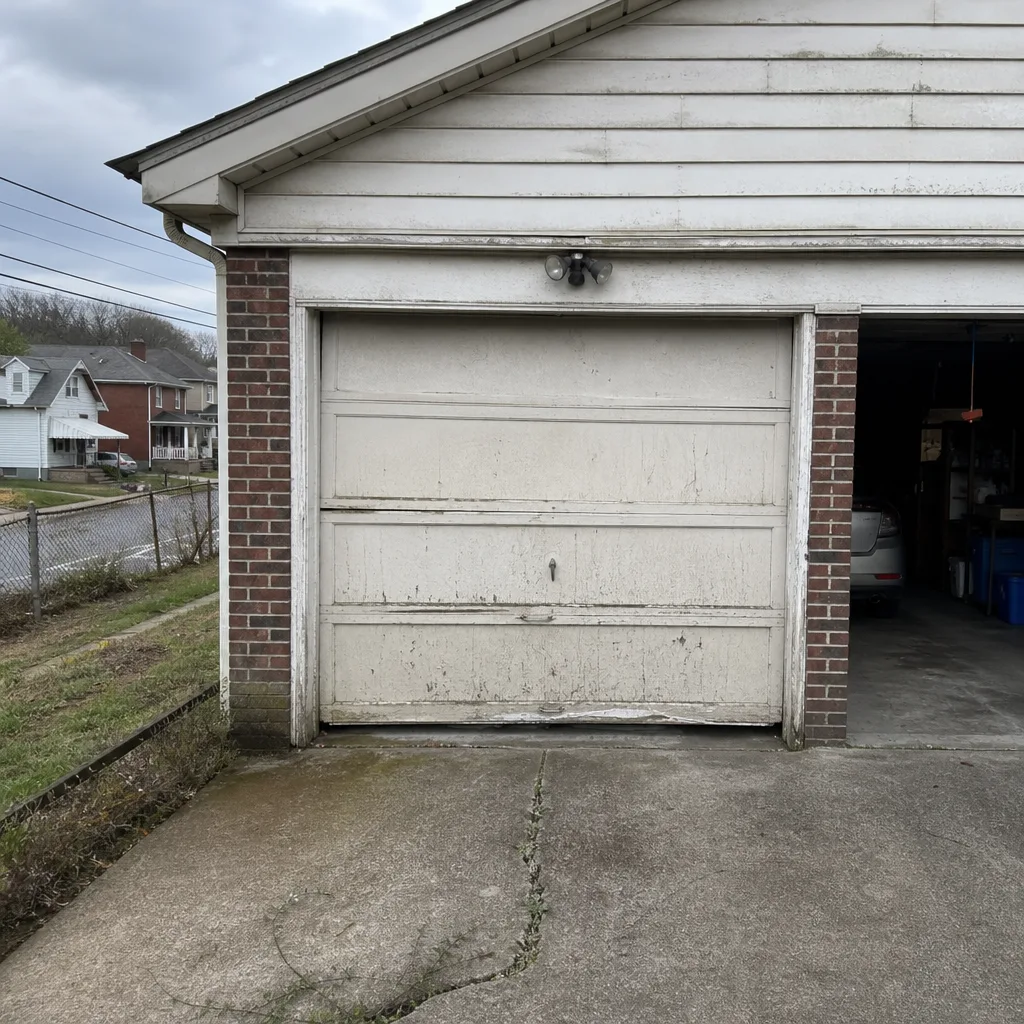
See the difference
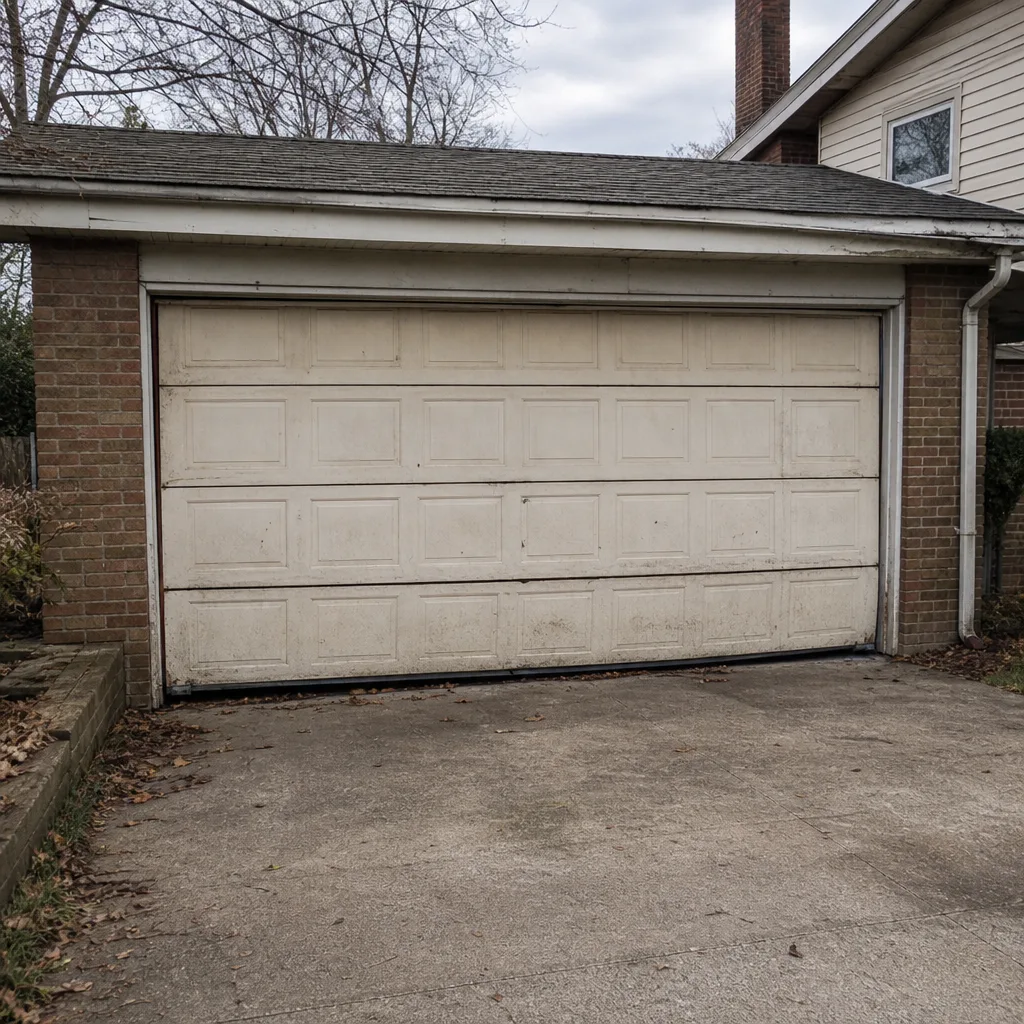 Before
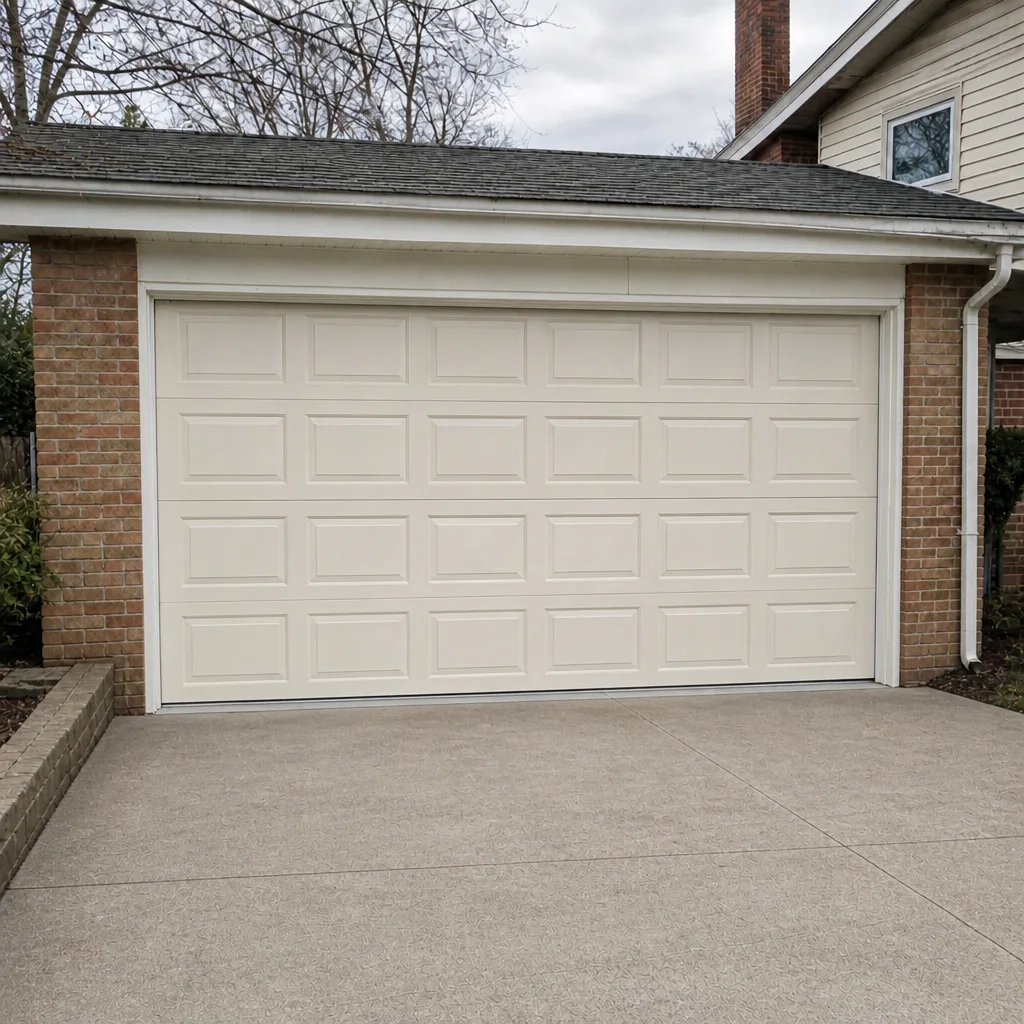 After
 Before
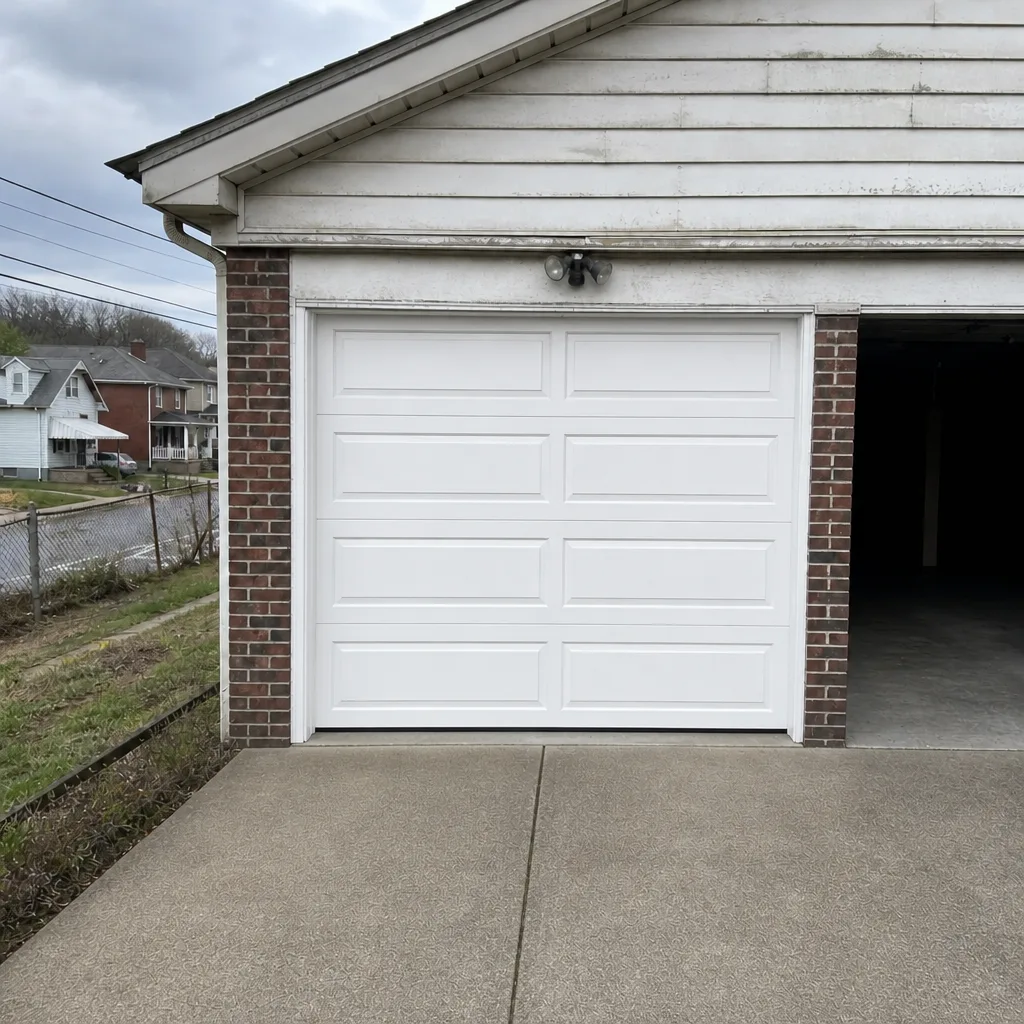 After
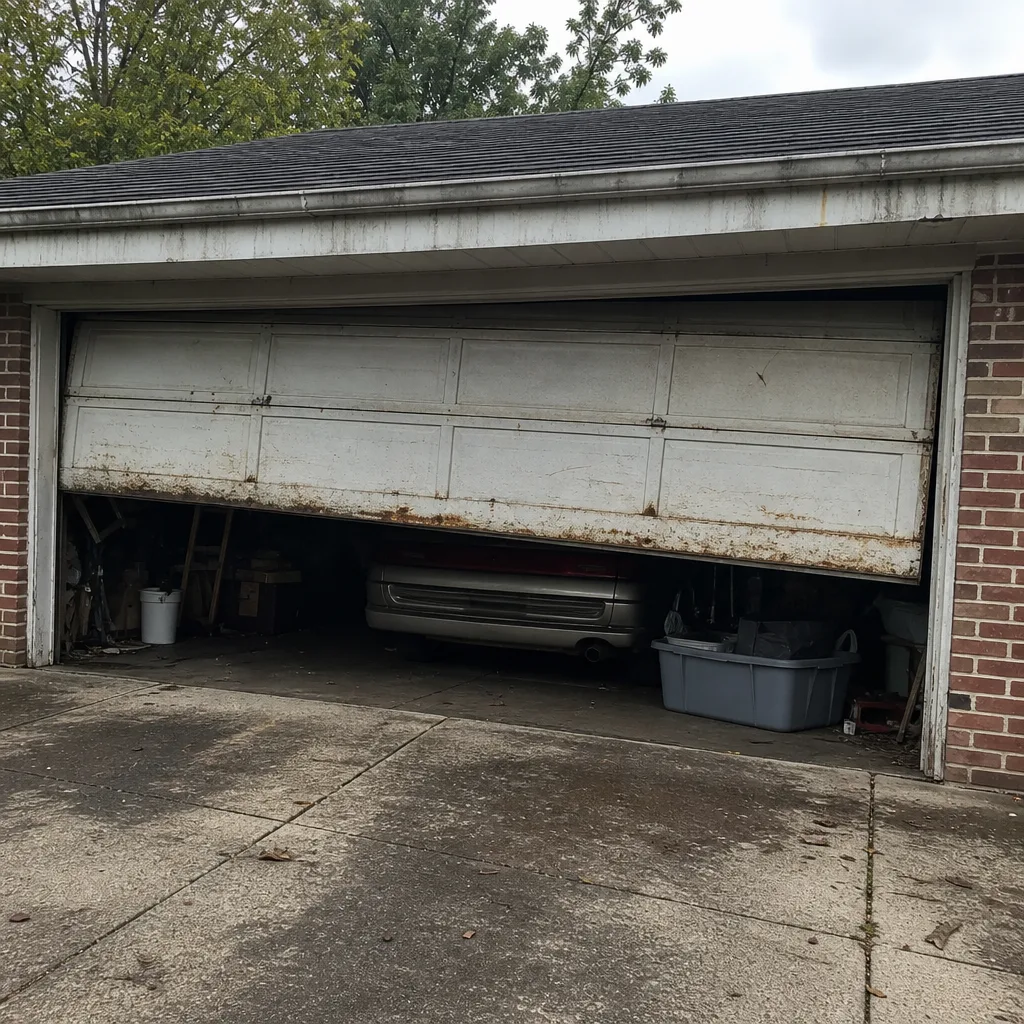 Before
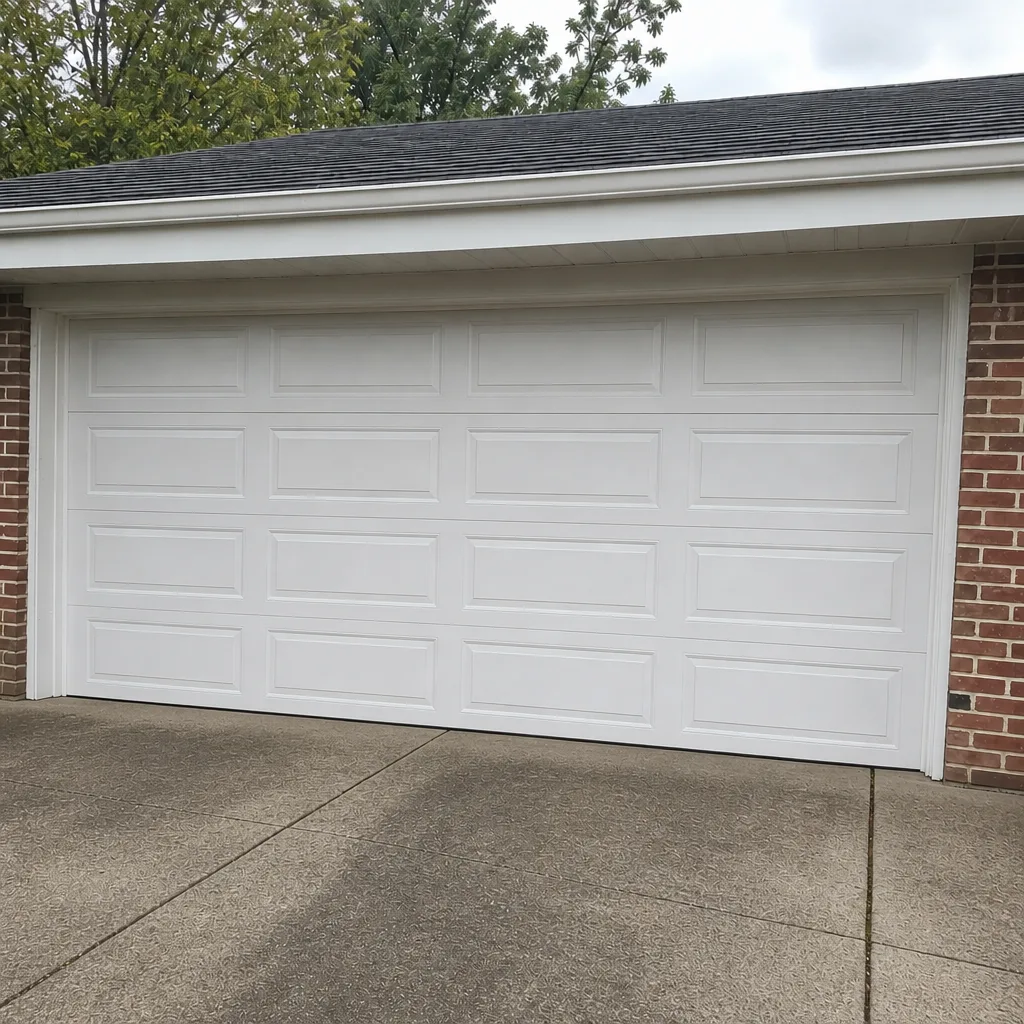 After
Common Mistakes to Avoid
- Pulling the manual release on a broken-spring door. This turns a static door into a falling weight. Check springs and cables first, and never pull the release on a door that won’t close cleanly.
- Using a broomstick to prop the door open. A door with compromised counterbalance is not something a stick can safely hold. Use a C-clamp on the track or leave the door closed.
- Trying to fix a broken spring without the right winding bars. Springs under tension don’t forgive improvisation. This is a professional repair.
- Forcing an off-track door with the opener. Running the opener on a bent track can bend panels and damage the door further. Stop using the opener the moment you hear grinding or the door off-centers.
- Not documenting the door and opener before an emergency. Not knowing your brand or model means longer diagnosis time and, sometimes, the wrong part ordered.
- Assuming an unresponsive opener means the opener is broken. After a power outage, check the breaker, the outlet, and the battery backup before assuming the opener itself failed.
- Ignoring the seasonal warning signs before cold weather in Brookline. A heavy door and a metallic creak in October usually mean a spring failure in December.
Frequently Asked Questions
Yes, if the door is fully closed and the springs and cables appear intact. Pull the manual release cord, then lift the door slowly. A properly balanced door lifts with moderate effort. If the door is very heavy, lower it and call a professional.
No. Never pull the release cord on a broken-spring door. Without spring tension, the door has no counterbalance and can drop. Close the door if you can and call for help.
Check the opener housing and the manual. Many recent LiftMaster and Chamberlain models ship with battery backup; older Genie and Craftsman units usually don’t. If you’re not sure, look for a battery compartment on the opener and test the door during a power outage once to confirm.
Pricing depends on the component and the door. A spring replacement, an opener repair, and an off-track correction are different jobs with different parts needs. We give a written price before any work starts, so you know the number before we begin. Call (888) 478-5598 for a free estimate.
Stop using the opener immediately. Look at the tracks for bends, check panels for separation, and skip running the door if either looks wrong. A door with bent tracks or separated panels should stay closed until a technician inspects it. Call for a repair estimate.
If the door stays fully closed in its tracks, use a C-clamp or locking pliers on the vertical track above a roller on both sides. Don’t put a broomstick or block under an open door. Cover any damaged edges and call for the earliest available appointment.
The Bottom Line
Garage door emergencies in Brookline follow predictable patterns, and the homeowner who’s already thought through the response handles them without compounding the damage. Check the springs and cables before pulling the release cord. Know how your opener behaves during an outage. Document your door’s make, model, and springs before you need to. Leave spring and cable work to a professional – that’s the one rule that never bends. Everything else is preparation. Our garage door installation team can also review your existing door’s condition if you’re deciding whether to repair or replace.
For a free estimate on any garage door repair, opener issue, or spring replacement in Brookline, call Brookline Garage Door Repair Pros at (888) 478-5598. We work on LiftMaster, Chamberlain, Genie, and Craftsman openers and on Clopay, Amarr, Wayne Dalton, and Raynor doors, so the technician who arrives already knows your system. The price is quoted and agreed before any work starts.
Written by the team at Brookline Garage Door Repair Pros.