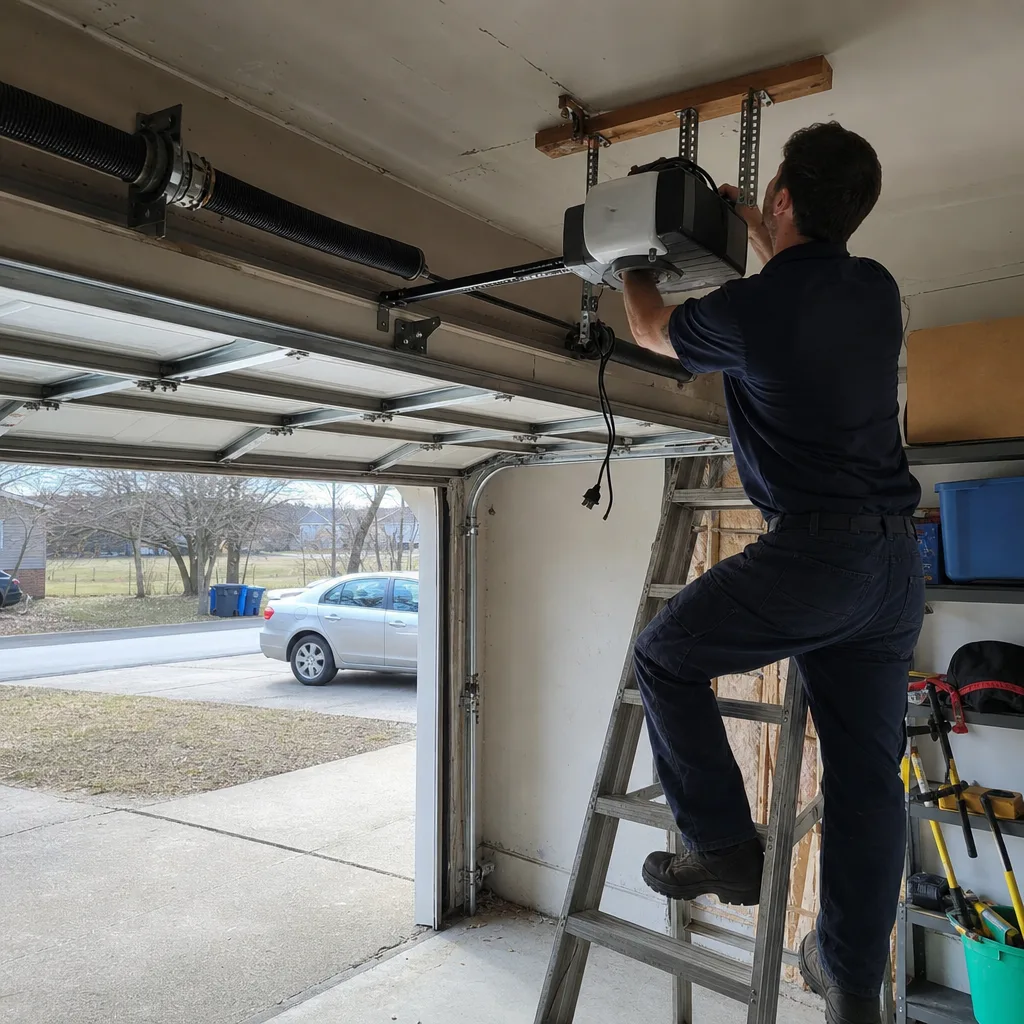
Last updated November 21, 2026
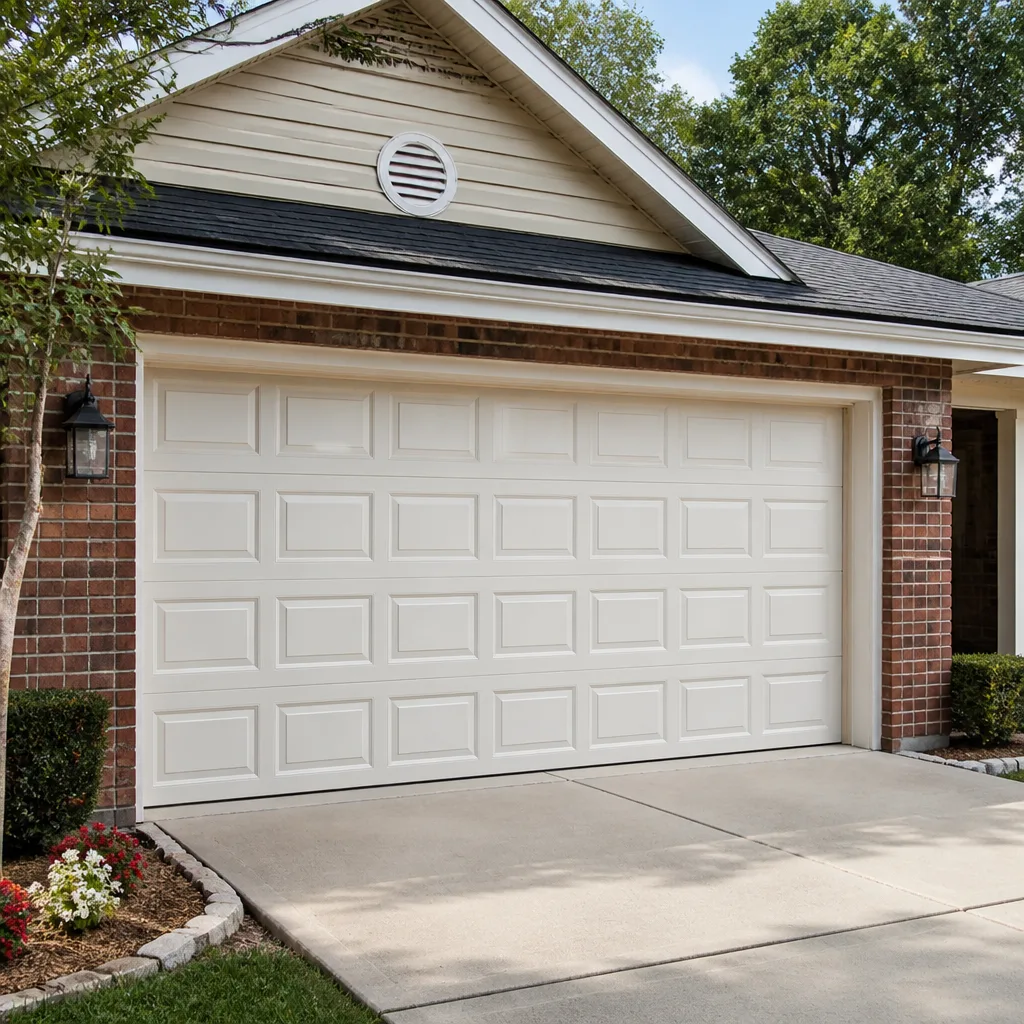 Raised-panel steel
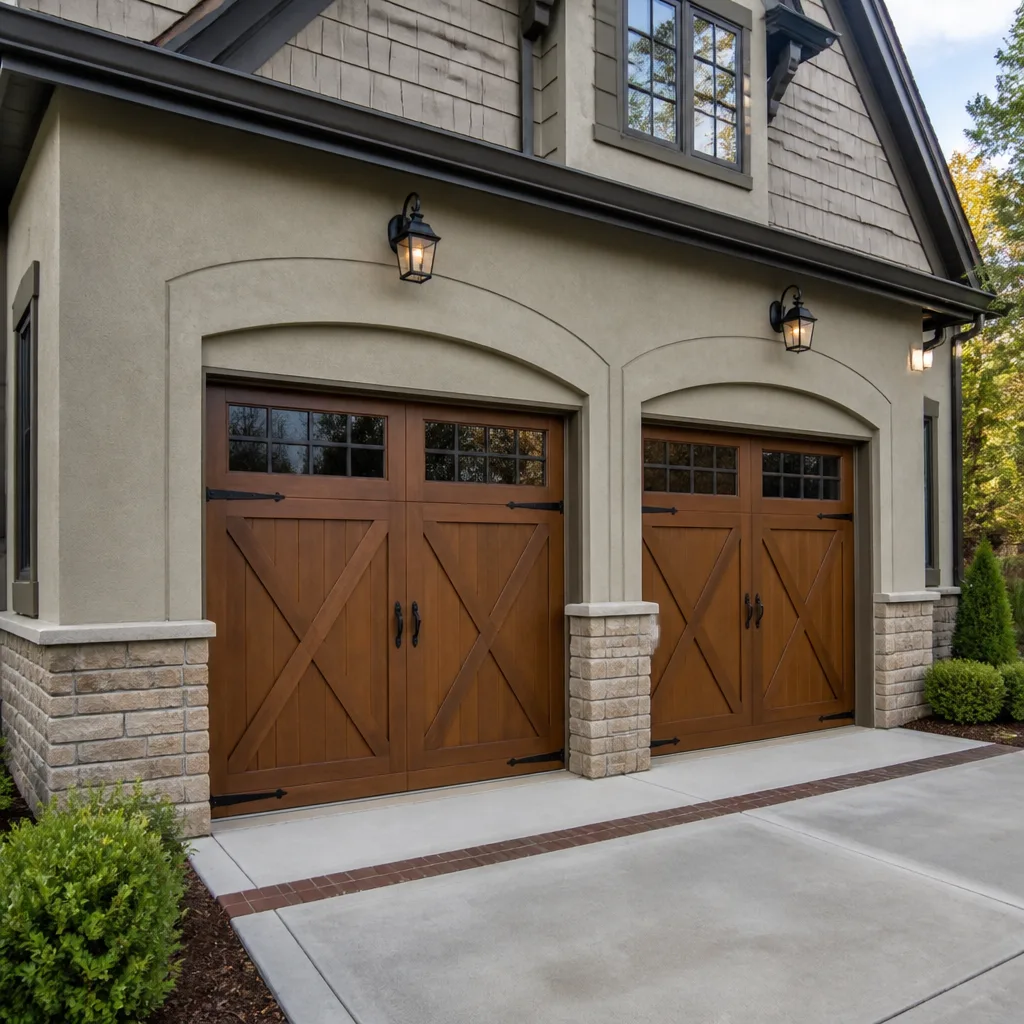 Carriage house
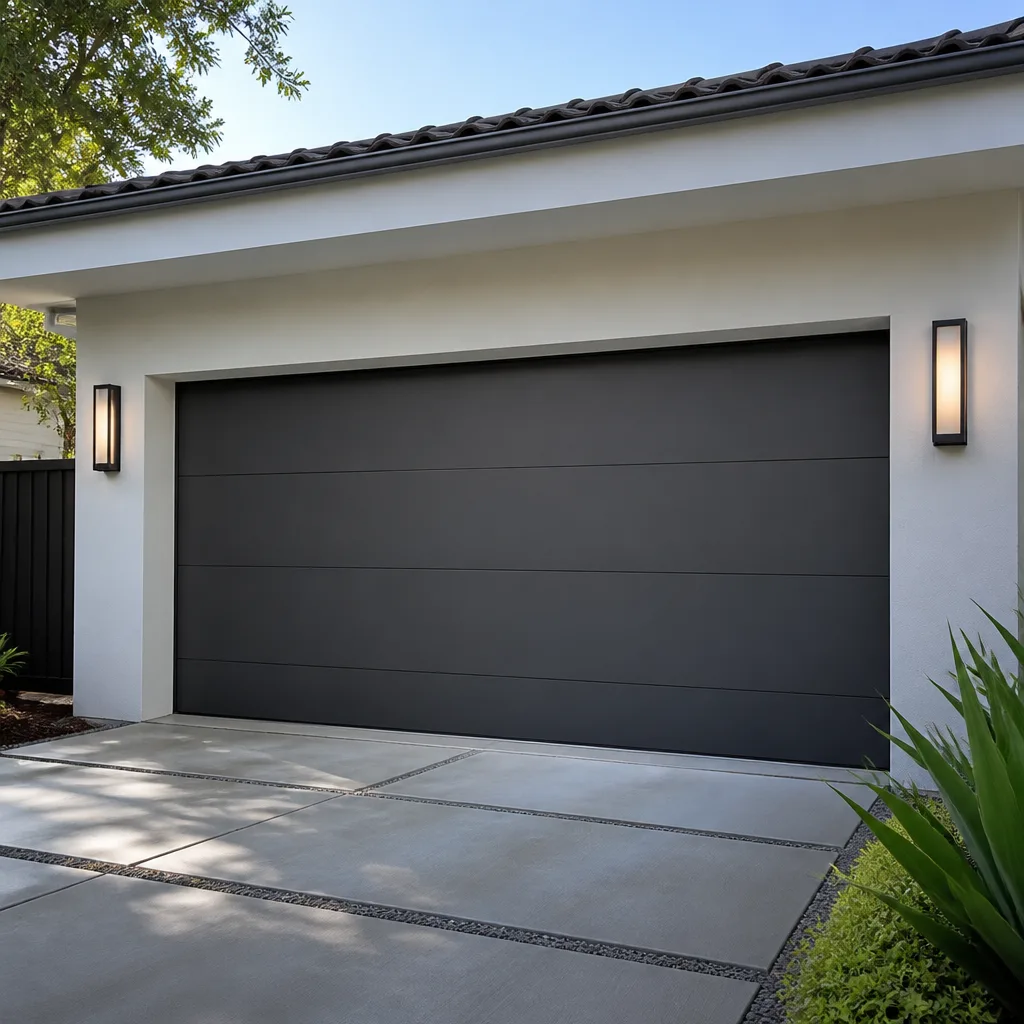 Modern flush
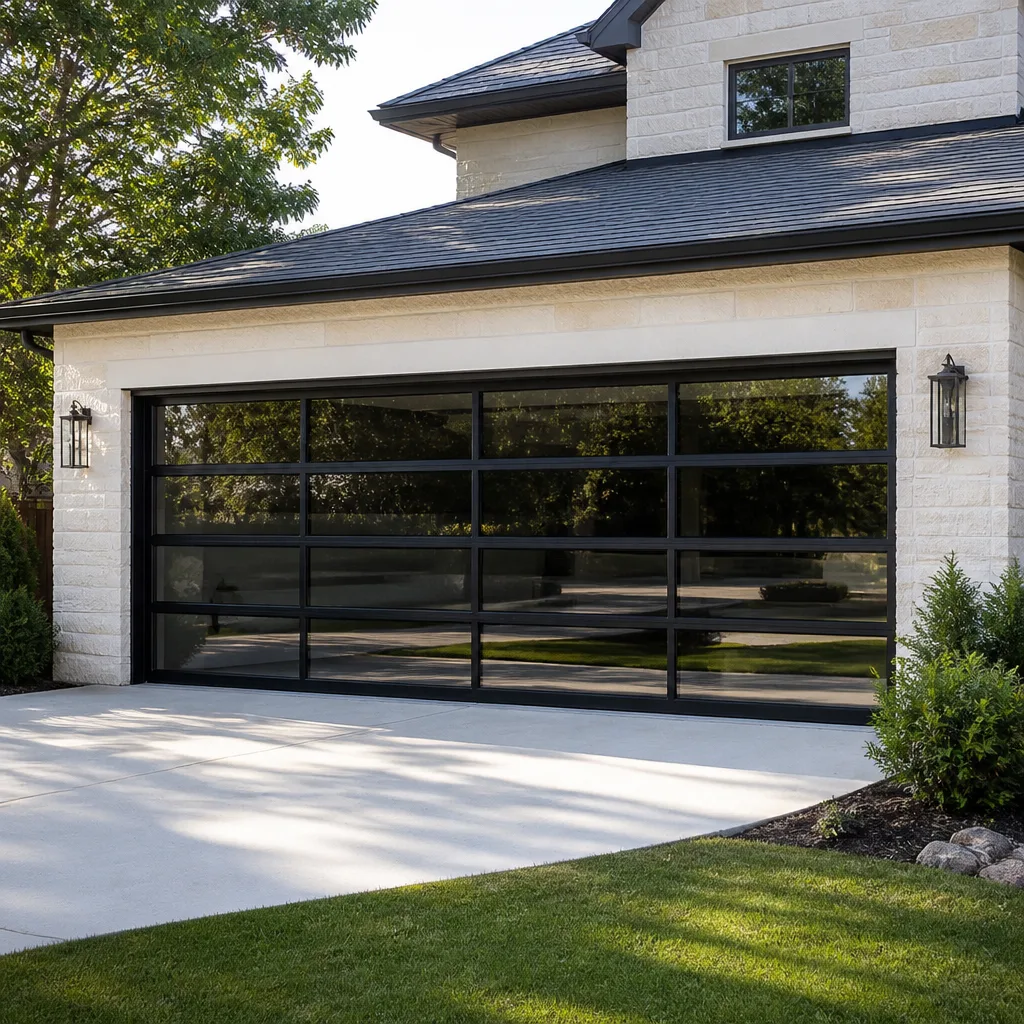 Full-view glass
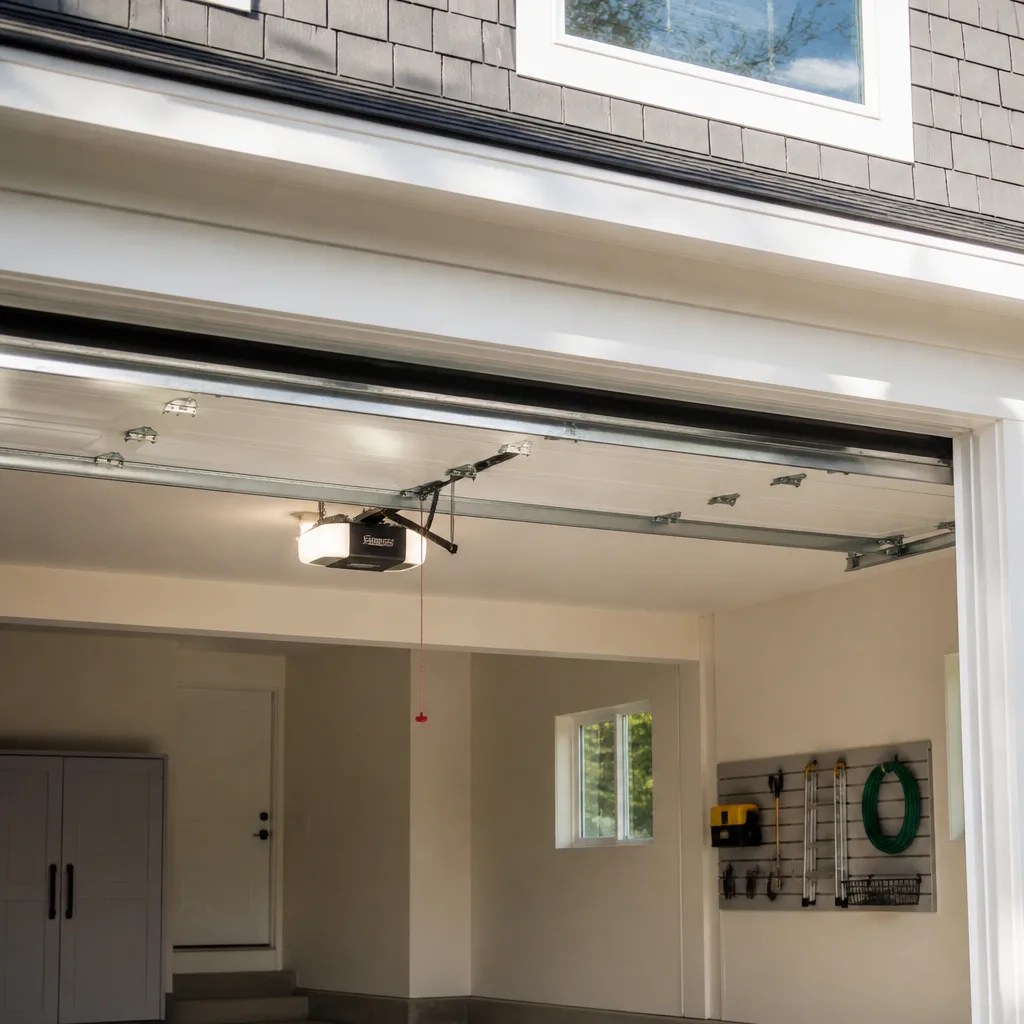 LiftMaster openers
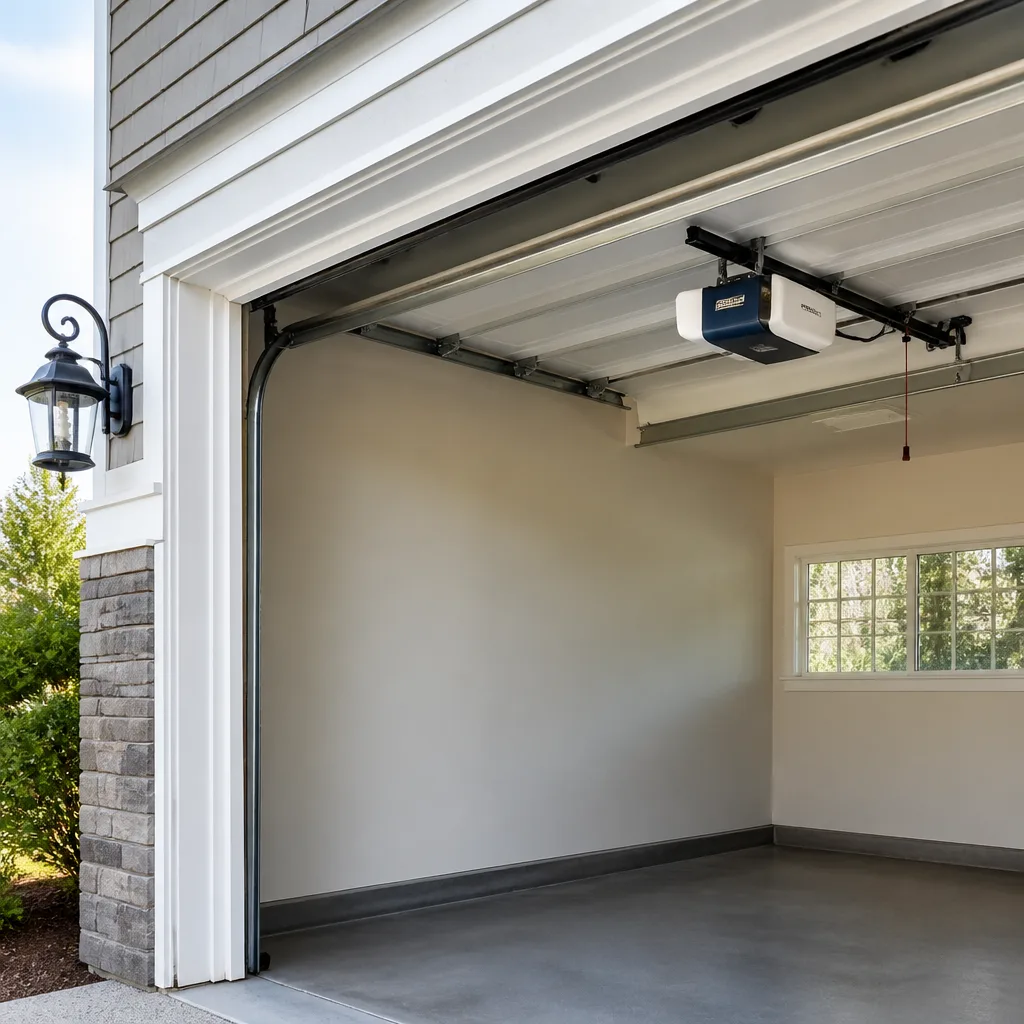 Chamberlain openers
Full 25-point door and opener safety check with every visit - springs, cables, rollers, tracks, and your LiftMaster or Chamberlain opener included
You get a price before we start. It does not change when the pro arrives.
Get your free estimateGarage Door Cost Breakdown: The Brookline Homeowner’s Reference for 2026
The cheapest garage door quote in Brookline is almost never for the same scope of work as the most expensive one. When a homeowner shows us two bids side by side and one is half the price, the gap is usually explained by what’s missing from the low bid, not by what’s inflated in the high one. A number that skips the weatherseal, reuses sagging tracks, or assumes the old springs will “probably be fine” isn’t a deal. It’s an unfinished job with a lower sticker. This reference breaks garage door work down into its real components, so you can read a quote for what it actually covers before you sign. We’ll walk through door panels, springs, openers, labor, and the Brookline-specific variables that move the final number.
Quick Answer
Garage door costs in Brookline break into four independent price pools: the door itself (panels, material, insulation), the mechanical system (springs, cables, tracks, hardware, weatherseal), the opener, and installation labor. A basic single-car door swap and a full insulated two-car replacement with a new opener are not the same project and shouldn’t be compared as if they are. The right way to budget is to price each pool separately, then decide which ones your home actually needs this year. Every written estimate we work from quotes the price before any work starts, so the agreed number is the number.
Styles & brands we work with
- Raised-panel steel
- Carriage house
- Modern flush
- Full-view glass
- LiftMaster openers
- Chamberlain openers
Table of Contents
- Why Garage Door Cost Ranges Fail Homeowners
- The 2026 Component-by-Component Cost Breakdown
- Door Material and Insulation: Upfront Cost vs. Five-Year Cost
- Brookline Labor Variables That Increase Installation Cost
- Opener Costs: Legacy Units vs. Smart Openers
- Same-Day and Emergency Repair Premiums: When They’re Justified
- Repair vs. Replace: A Decision Framework
- How to Read a Garage Door Quote Line by Line
Why Garage Door Cost Ranges Fail Homeowners
A range like “$800 to $4,000” tells you almost nothing about your own garage. It’s technically true and practically useless, because garage door pricing isn’t one market with one price. It’s a stack of separate decisions, and each one pulls the final number in a different direction. A homeowner who calls around for “a ballpark” is really asking for a price on a project nobody has scoped yet.
In our experience, the useful number is never a range. It’s a line-item quote built from five things:
- What kind of door is going in (single vs. double, material, insulation).
- What mechanical parts have to be replaced alongside it, because they’re worn out or undersized for the new door.
- What opener the door will run on, and whether yours will carry the new weight.
- What the space allows – headroom, side room, framing, and access.
- What the crew has to fix before the new door can go up correctly.
Two Brookline homes with the same driveway width can produce wildly different quotes because of items three, four, and five. That’s why a phone estimate is a starting point, not a promise. A written quote that names each line item, and states the price before any work starts, is the only document worth comparing.
The 2026 Component-by-Component Cost Breakdown
Here’s how garage door pricing splits by part. These are typical estimated ranges – treat them as a budgeting framework, not a fixed quote. Your written estimate sets the final price. Ranges assume a standard single-car sectional door unless noted, and the figures are what you’ll see in this area.
- Door panel section: $90-$220 per section, depending on material and insulation. A full single-car door is several sections.
- Springs: $180-$340 for one torsional spring. A matched pair is almost always replaced together, so a pair runs roughly twice that. Extension springs are priced lower.
- Cables: $150-$280 per side, because they’re replaced in pairs and the spring system comes apart to do it.
- Rollers and hinges: $12-$30 each part; a full hardware refresh is a modest add-on during other work.
- Tracks: $200-$420 per side. Track repair is sometimes a repair, sometimes replacement.
- Weatherseal (bottom and sides): $120-$280 for the full perimeter.
- Opener: $280-$760 for a legacy unit installed; smart and belt-drive units trend higher.
- Installation labor: $320-$650 for a like-for-like replacement; more when framing or headroom work is needed.
Why is this table useful? Because it lets you see where a quote is thin. If a bid replaces the door but doesn’t list springs, cables, tracks, and weatherseal, it’s not a full job – it’s a door swap that leaves the old mechanicals exposed to the new door’s weight. Our garage door repair work is priced the same way: line items first, then a written price agreed before anyone turns a wrench.
What moves the part numbers
Material grade accounts for a lot of the spread. A stamped steel Clopay panel and a wood composite Amarr panel are both “a door,” but they’re not close in cost or in how they behave in cold. Insulation adds to the panel price and to the spring load, which is why an insulated two-car door rarely shares springs with the single-car door it replaced. Brookline homes span a wide age range, and older homes often have nonstandard opening heights or a header in the wrong place – small surprises that show up in the labor line, not the parts line.
Door Material and Insulation: Upfront Cost vs. Five-Year Cost
Material choice is where a garage door quote can double, and where the cheap option often costs more over five years. In the Pittsburgh-area climate – real cold in winter, heat and humidity in summer – the door’s insulation and sealing matter for how the attached garage behaves and for how long the hardware lasts. Here’s the honest comparison:
- Steel: Lowest upfront cost and the most common choice for Brookline homes. Holds up well but dents, and an uninsulated steel door does nothing to keep the cold out of the space behind it.
- Wood composite: Higher upfront cost, better warmth and a more finished look. Wayne Dalton’s composite lines are common here. Over five years it rewards you with a quieter door and less draft, though it needs more weather-watching than steel.
- Aluminum: Light, won’t rust, and often paired with full-view glass. Good on modern homes; scratches are cosmetic and fixable.
- Fiberglass: Lighter than steel and stable indoors, but it flexes and cracks under impact – less forgiving in a garage that sees a car nose or a bicycle handlebar.
Insulation R-value is the variable homeowners undersell. An uninsulated or lightly insulated door is the largest draft path between an attached garage and the room above it. In a Brookline winter, that gap isn’t just comfort – it drives the heating bill for the whole home. So the “upfront vs. five-year” math isn’t really about the door. It’s about the room behind it and what it costs to keep warm. If you’re replacing a single-skinned door with a properly sealed insulated one, budget the weatherseal as part of the project; it’s what lets the insulation do its job.
Brookline Labor Variables That Increase Installation Cost
Labor is the number most affected by Brookline itself. Two identical doors can come in a few hundred dollars apart because the space and framing behind the door differ, and the crew has to solve for them before the new door goes up. The variables we see most often in this area:
- Low headroom. Older Brookline garages often have less vertical space above the door than modern doors require. A low-headroom conversion kit or reworking the track layout adds labor and parts.
- Side-room constraints. The horizontal track needs clear space on each side. Tight or walled-in garages may need a low-profile track or repositioning to clear the door’s travel.
- Alley access. Many Brookline homes sit on lots where the garage faces an alley, narrow driveway, or shared passage. Material handling becomes slower and sometimes needs a longer lead time.
- Older framing. Sagging headers, out-of-square openings, and tired jambs have to be corrected before a new door will sit and seal properly. Skipping that step is how doors end up binding a month after installation.
- Panel size and number. Nonstandard opening heights can mean custom or trimmed panels, which carry a lead time and a price piece.
These aren’t upsells. They’re the work required to install a door that will run true for years rather than strain a motor and jump a track. A quote that doesn’t mention them isn’t necessarily cheaper – it’s untested. When you request an estimate, ask whether the technician has checked headroom, side room, and framing. A good crew will tell you before you buy.
Opener Costs: Legacy Units vs. Smart Openers
Your opener is a separate purchase from your door, and homeowners routinely forget it’s a cost line until the new door makes the old motor work harder. An opener spec’d for a lighter door can be pushed to its limit by a heavier insulated one. Add a new door and your old LiftMaster or Craftsman may start struggling within the season.
Cost by class:
- Legacy chain-drive opener: $280-$460 installed. Loud but dependable, and the right call if the opening is in a detached garage.
- Belt-drive opener: $380-$600 installed. Quieter – the difference is audible if a bedroom sits over the garage.
- Smart opener (Wi-Fi app, phone control): $420-$760 installed. LiftMaster and Chamberlain lead this category; the value is remote control and open/closed notification, not just convenience.
Our garage door opener repair work covers both legacy and smart units, because in Brookline you’ll find both in the same block. A repair to a mechanical unit is often the right call – motors outlast the rest of the openeral assembly, and a board or gear replacement can keep an older Genie running for years. The decision framework is simple: if the repair is a small fraction of a replacement and the motor is sound, repair; if the board is failing and the unit is already straining on a new door, put the money toward a unit matched to the door. We work with your brand, so a diagnosis starts from the specific system rather than a guess.
Same-Day and Emergency Repair Premiums: When They’re Justified
A broken spring or a door stuck open is genuinely urgent. A door left open or a sagging panel left in place is a security problem, and a torn spring can make the entire door unoperable. Emergency and same-day repair in the Pittsburgh-area market carries a premium over a scheduled visit, and sometimes it’s justified, sometimes it’s avoidable. Here’s the distinction:
- Justified: A snapped spring that makes the door stuck, a cable that has come off the drum, a door that’s off its track and can’t close. These are calls where waiting days costs more than the premium.
- Avoidable: A noisy opener, a slow-to-respond remote, a scratched panel, a drafty weatherseal. These are scheduled repairs, and paying an emergency premium for them buys nothing.
- Preventive side of the ledger: A yearly inspection and a fresh weatherseal cost far less than an emergency call, and they catch the worn spring before it breaks at the worst moment.
Springs are the one item where safety overrides price. A torsion spring under tension can injure seriously if it releases unexpectedly, and the tools and training to replace it safely are not what most hands have in the garage. Leave it to a pro – and if a quote includes “resetting” the existing springs rather than replacing them, ask why. A failed spring doesn’t get safer.
Repair vs. Replace: A Decision Framework
The question that decides a lot of budgets: at what point does repair stop being the sensible choice and replacement become the financially sound one? There’s no single dollar figure, because the answer depends on door age, condition, and how many systems are failing at once. But this framework handles most Brookline homes:
- One failure, healthy door: repair. A single spring, cable, or opener issue on an otherwise sound door is a repair, not a replacement.
- Two or more same-system failures at once: evaluate replacement. A door needing springs, cables, and track work is spending money on a system that’s nearing the end of its life.
- Rust, rot, or delaminating panels: lean replacement. Repairs on a compromised panel won’t hold, and the next season buys the same problem.
- Repeated opener failures on an old unit: price a replacement opener even if the door is fine, because mismatched openers shorten door life.
- Good door, poor performance: repair with upgrades. Adding weatherseal, a new opener, and a track tune can restore a healthy door for far less than replacement.
The rough rule: when the estimated repair cost of a door approaching the end of its service life climbs toward a meaningful share of a new door’s price, and the old door still has insulation or sealing problems, replacement does more per dollar. Add the insulation savings over five years and the case usually gets clearer. When the door is solid and one system is the only problem, repair keeps money in your pocket.
How to Read a Garage Door Quote Line by Line
The most useful skill in this whole guide is reading a quote for what it actually guarantees. A good estimate is itemized, states whether labor is included in each line, and names the door and opener models rather than a grade. Before you compare two quotes, do this:
- Check the scope, not the total. Are springs, cables, rollers, tracks, weatherseal, and opener all listed, or silently excluded?
- Confirm the door model and material. “Steel door” is a category, not a spec. A named model or a described grade lets you compare like for like.
- Confirm whether old-door removal and haul-away are included. This is a common hidden line.
- Check whether the opener is priced and whether it’s matched to the new door’s weight.
- Confirm the price is written and agreed before work starts. Ask directly: “Is this the final price, and what would change it?”
- Ask about the framing and headroom check. If it wasn’t done, the quote is provisional on those variables.
Our garage door installation estimates follow exactly this structure. The written price is the price, and any line that could change it is flagged before work begins. If a low bid can’t answer these six questions, treat it as a starting conversation, not a bottom line.
Common Mistakes to Avoid
- Comparing quotes with different scopes. Two bids priced against different work lists can’t be compared on price alone. Match the line items first, then compare totals.
- Replacing the door and keeping tired springs. New door weight plus old springs means premature failure and a mismatched system. Springs and cables should be replaced with the door when they’re worn.
- Buying a smart opener before checking the door. A tight, binding door wears out even a top-end opener. Fix the door’s mechanical health before adding a Wi-Fi unit.
- Ignoring weatherseal in an attached garage. The perimeter seal is cheap insurance against drafts. Skip it and the insulated door you paid for works at half strength all winter.
- Assuming “same-day” applies to installations. Repair visits can often be same-day; a new door is measured, ordered, and scheduled. A quote that promises same-day installation on a made-to-order door is a warning sign.
- Not asking who does the framing work. If a low bidder doesn’t handle older-framing corrections, you’ll pay a second company to finish what the first one started.
- Paying emergency premiums on scheduled work. A noisy opener or drafty seal on a working door isn’t an emergency. Book it as a regular repair.
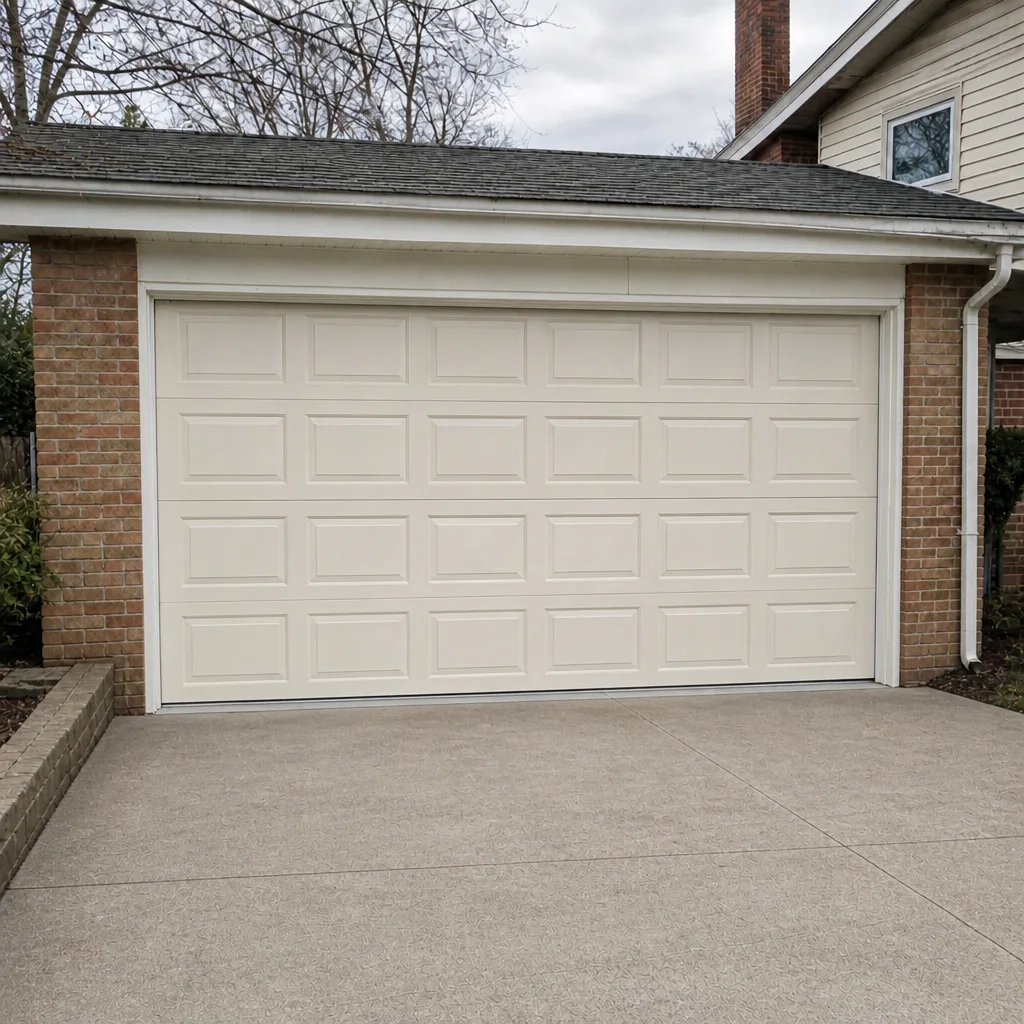
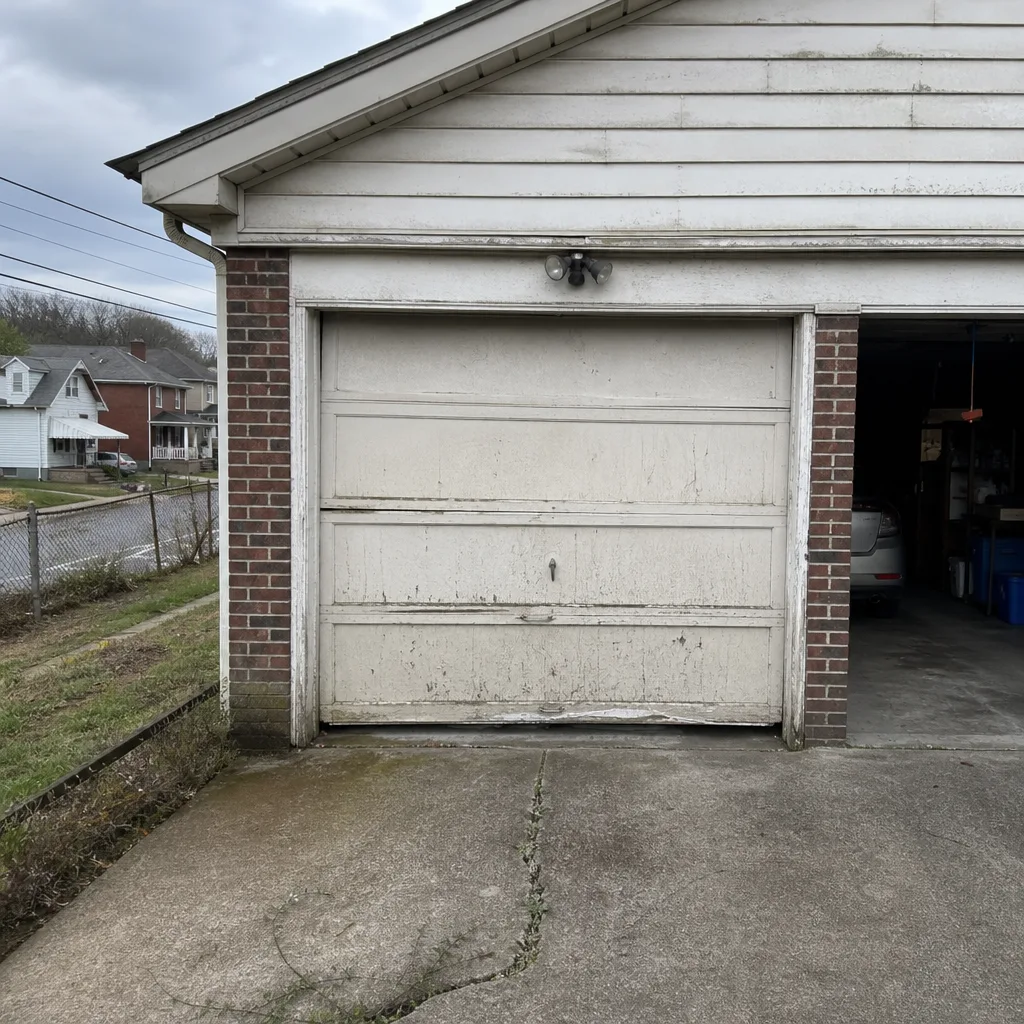
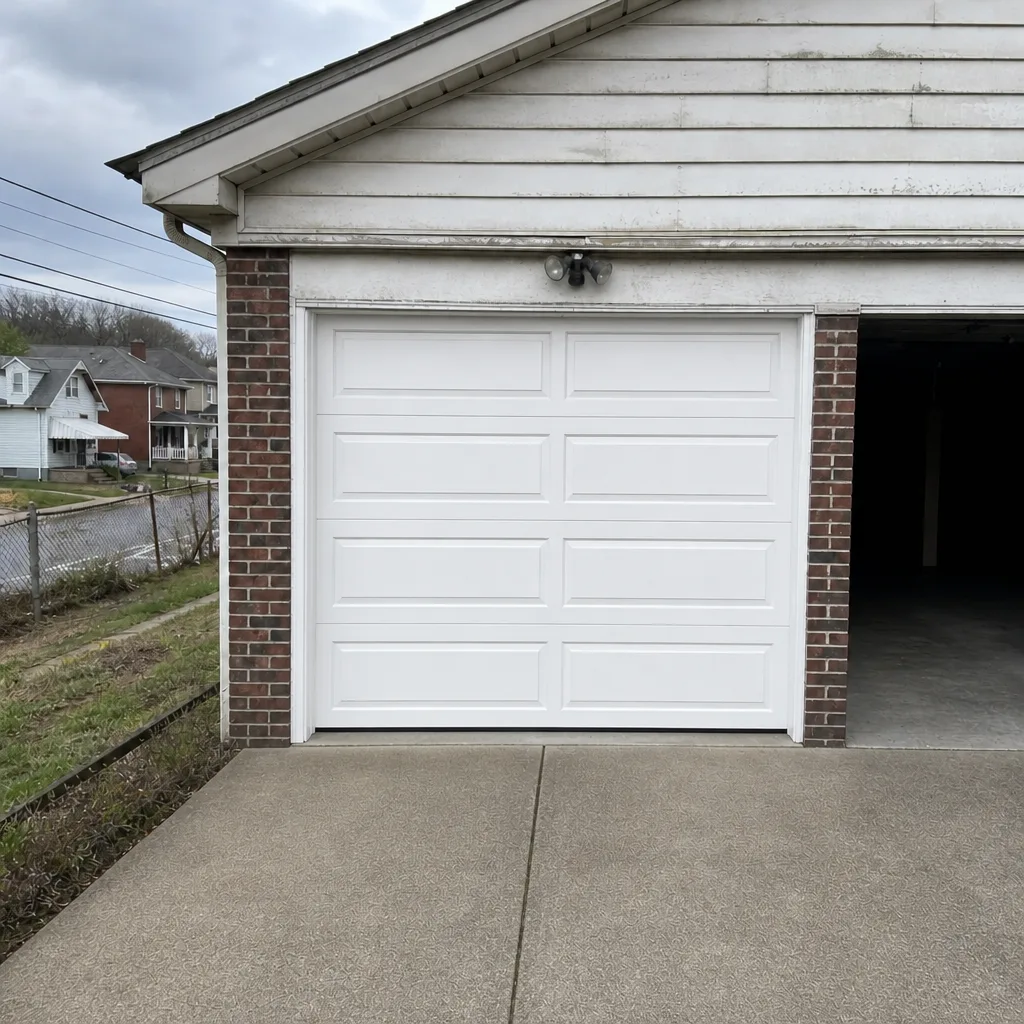
See the difference
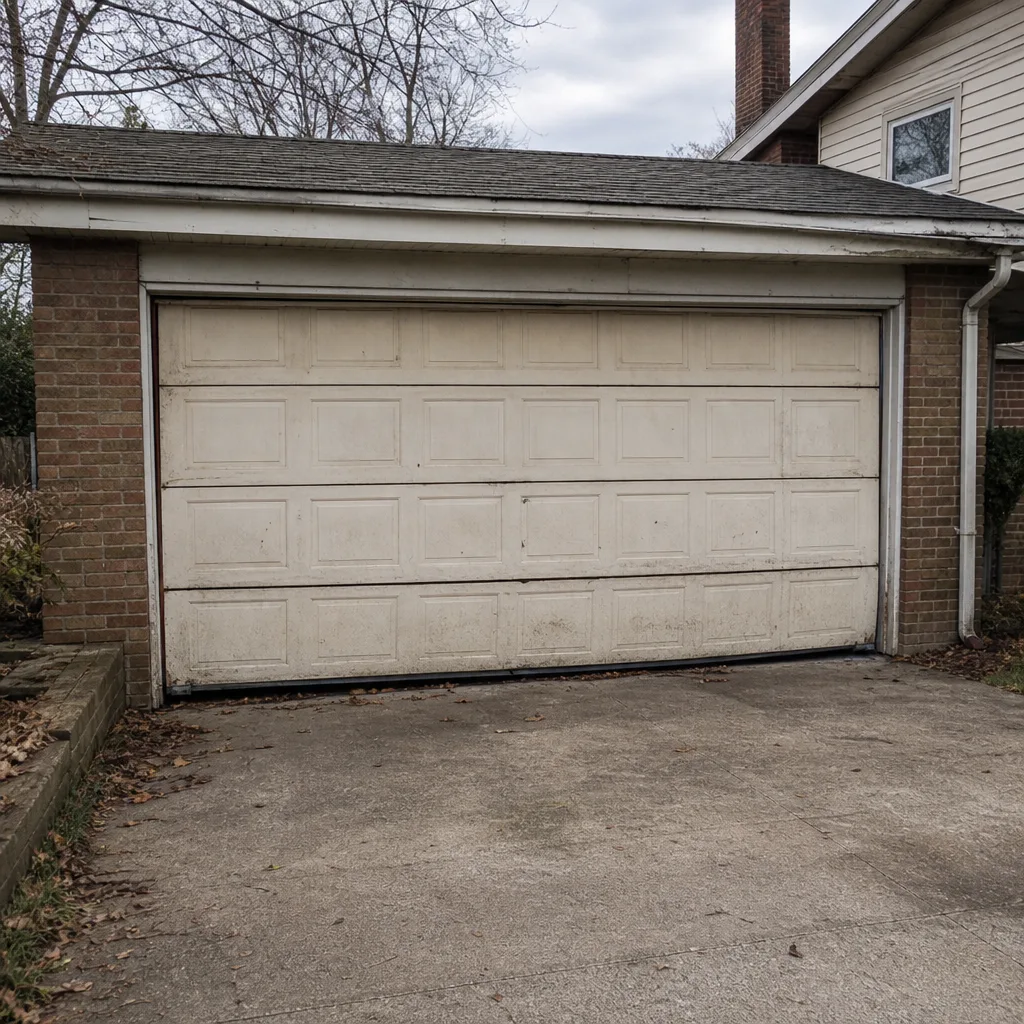 Before
 After
 Before
 After
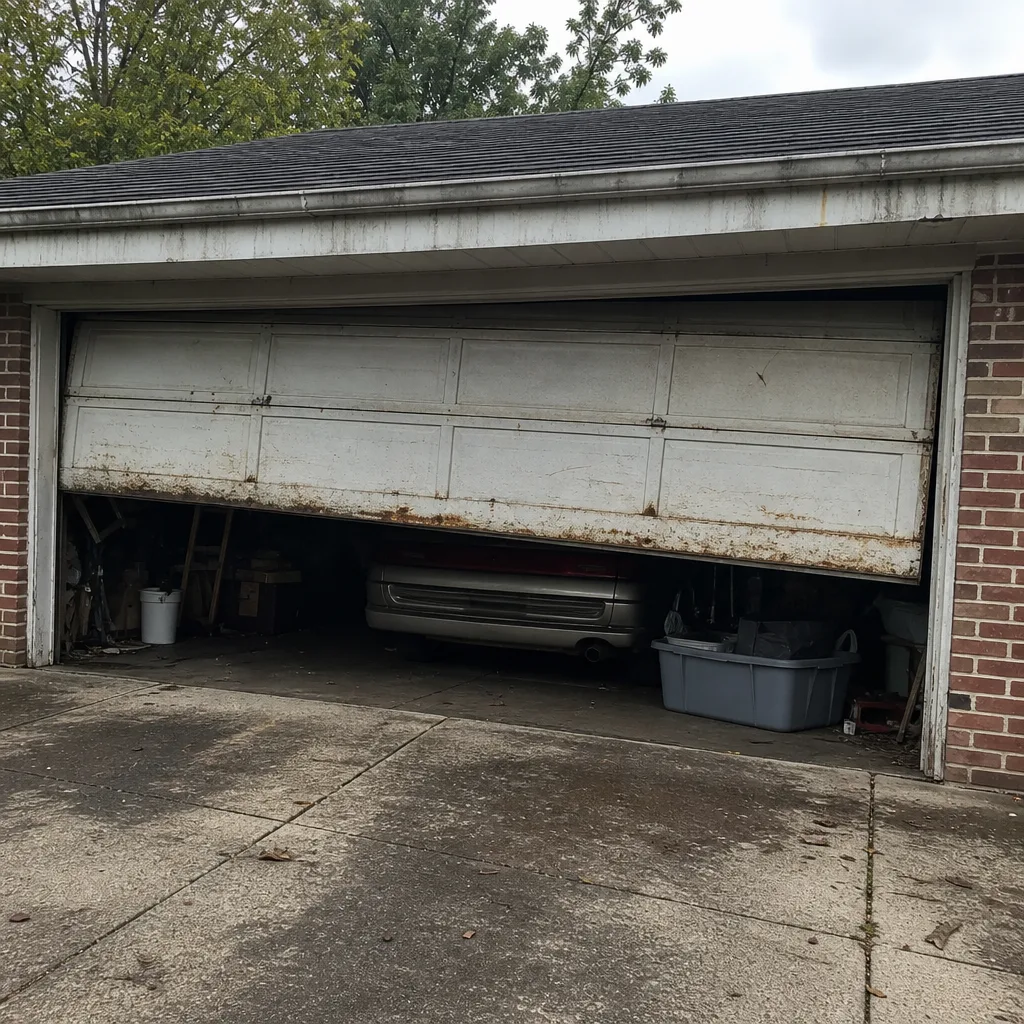 Before
 After
When to Call a Professional
Call a professional when a spring is broken or sagging, when the door is off its track, when a cable is loose or has come off the drum, or when the opener fails to lift a correctly balanced door. Also call when you’re budgeting a replacement and want the written quote that names every component – the numbers only mean something once they’re itemized. Springs and high-tension cables are the two parts of this trade that cause serious injury; leave those to a trained technician with the right tools. Our technicians have up to 12 years of experience across the major door and opener brands. Brookline Garage Door Repair Pros offers free estimates in Brookline – call (888) 478-5598 for a written price before any work begins.
Frequently Asked Questions
Garage door replacement in Brookline breaks into a door-and-mechanicals cost pool and an installation cost pool, and the combined figure depends on door material, insulation, car-width, and any headroom or framing corrections. A basic single-car steel replacement with new springs, cables, and weatherseal sits well below a fully insulated two-car replacement with a new opener. The only number that means anything for your garage is the written one from a measured estimate. Call (888) 478-5598 for a free measured quote – the price is agreed before any work starts.
A single torsion spring repair typically runs $180-$340, and a matched pair is almost always replaced together, so plan on roughly twice that for a pair. The price includes safe winding of the new springs and a balance check. Springs are dangerous when they fail under tension, so this is not a DIY item. Call (888) 478-5598 for an exact quote – estimates are free, and the price is set before work begins.
Many repair calls – a snapped spring, a cable off the drum, a door off its track – can be handled same-day because we prioritize the calls where the door is stuck or open. Installations and replacements are measured, ordered, and scheduled rather than same-day. Call (888) 478-5598 and we’ll tell you honestly what’s possible for your repair.
The quoted price won’t change for the scope it names. Work outside the quote – hidden framing damage, a headroom conversion the estimate hadn’t accounted for, or an opener that can’t carry the new door – gets discussed with you before it’s added. You won’t get an invoice larger than the quote you agreed to. Call (888) 478-5598 for a written estimate with the price confirmed up front.
Often, yes – especially if your opener is a legacy chain-drive unit sized for a lighter door. A heavier insulated door pushes an undersized motor harder, and a new opener matched to the door’s weight extends the life of both. If your opener is recent and spec’d correctly, keep it. Opener repairs and replacements cover legacy and smart units from LiftMaster, Chamberlain, Craftsman, and Genie. Call (888) 478-5598 for a free estimate.
Emergency and same-day repair carries a premium over a scheduled visit in the Pittsburgh-area market, and it’s worth paying when the door is stuck open, stuck closed, or off its track. It’s not worth paying for a noisy opener or a drafty seal on a working door – schedule those as regular repairs. Call (888) 478-5598 and describe the situation; we’ll tell you whether it’s an emergency or a scheduled fix.
The Bottom Line
The garage door market doesn’t have a single price, and any guide that quotes one wide range is guessing at your garage. What it does have is a predictable structure: door panels, springs, cables, tracks, hardware, weatherseal, opener, and labor, each with its own price pool. Read a quote as a list of these items, not one total. In Brookline, watch the labor variables – headroom, side room, alley access, older framing – because those explain most of the spread between two bids on the same driveway. Use the repair-vs-replace framework when a door’s systems are failing together, and get a written price agreed before work starts. If you want the numbers for your own door, get a measured estimate.
Call (888) 478-5598 for a free estimate from Brookline Garage Door Repair Pros. We quote the price and get your agreement before any work begins, so you know exactly what you’re paying for.
Written by the team at Brookline Garage Door Repair Pros.